

Hytrax 10mg (Hydroxyzine)
Previous product
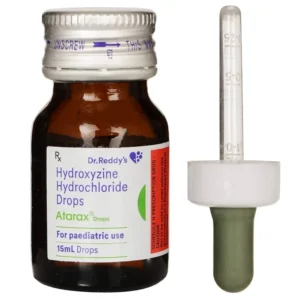
Atarax Drops 15ml (Hydroxyzine)
$15.00 $40.00Price range: $15.00 through $40.00
Next product
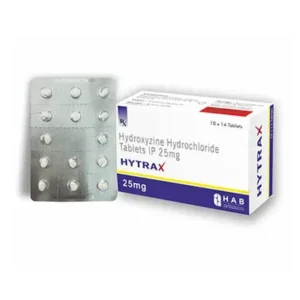
Hytrax 25mg (Hydroxyzine)
$28.00 $95.00Price range: $28.00 through $95.00
$20.00 $70.00Price range: $20.00 through $70.00
In Stock
In Stock
Hytrax 10mg (Hydroxyzine)
| Pack Size | Price | Quantity | Add To Cart | |
|---|---|---|---|---|
| 140 Tablet/s | $20.00 | |||
| 280 Tablet/s | $38.00 | |||
| 560 Tablet/s | $70.00 | |||
| Want to order in bulk / B2B price? Send Inquiry | ||||
×
Sorry!! Out of Stock
Sorry! Hytrax 10mg (Hydroxyzine) is out of stock
Please click below to view other similar medications.
View All Hydroxyzine Products

Offer You Can't Resist
Free Shipping
Enjoy Free Shipping on Orders above AUD304 (USD199)
Estimate Shipping :
20 June - 27 June
35
Excellent service
Excellent service! My order was processed quickly and delivered on time. The medicines were well-packaged and exactly as described. Highly recommended.
 Australia
May 26, 2026
Last Updated on April 13, 2026

Description
Introduction
Hytrax 10 mg, which contains the active substance Hydroxyzine, is a plethora of medication recommended for its anti-allergic, anxiolytic (anti-anxiety), and sedative effects. It is part of the category of medications known as antihistamines, but stands out due to its calming effects on the central nervous system of central.
This blog will walk readers through all they need to learn regarding Hytrax 10 mg – the effects it has and how it functions, as well as dosing recommendations as well as safety guidelines.
What is Hytrax 10 mg (Hydroxyzine)?
Hytrax includes Hydroxyzine, an antihistamine. It blocks the actions of histamine. It is a chemical responsible for allergic reactions. Apart from allergy relief, Hydroxyzine also has anxiolytic and sedative qualities, which make it a great choice to treat tension, anxiety, insomnia, nausea, and other sleep disorders.
How Does Hytrax Work?
Hydroxyzine is a chemical that works in a variety of ways:
- Antihistamine Action: It blocks the H1 receptors, which prevents symptoms such as itching, swelling, or rashes that are caused by allergies.
- Central Nervous System Depression: It has a relaxing impact by stimulating certain brain regions within the brain. This can reduce anxiety and help with sleep.
- Anticholinergic Effects: It can reduce nausea and vomiting by activating the vomiting center in the brain.
The combination of these actions makes Hytrax efficient for a variety of circumstances.
Uses of Hytrax 10 mg
- Allergic Conditions: Urticaria (hives), as well as allergen-related rhinitis, dermatitis, and itching that are caused by allergic reactions.
- Anxiety and Tension: A short-term solution to tension and stress.
- Sedation: It is used as a preventative medication before surgery or to help with sleeping disorders.
- Nausea and Vomiting: Controls nausea, such as that caused by motion sickness.
- Pruritus (Itching): Itching is a result of a variety of causes, like eczema or bites from insects.
Dosage and Administration
- The dose recommended for children and adults over 12 years of age is 10-25 mg 3, 4, or 5 times daily.
- To treat anxiety and sedation, doctors can adjust dosage depending on the severity.
- Tablets are best taken in a liquid form with water.
- For the most effective results, you must follow the prescription of your doctor strictly.
Side Effects
The most common side effects associated with Hytrax can include:
- Drowsiness or sedation (most common)
- Dry mouth
- Dizziness
- Headache
- Blurred vision
- Fatigue
Less common but serious side effects:
- Confusion or hallucinations (especially in elderly)
- Difficulty urinating
- Rapid heartbeat
If you are experiencing extreme side effects, you should seek medical attention immediately.
Precautions
- Beware of alcohol and any other CNS depressants when using Hytrax because it can increase the amount of sedation.
- Be cautious when operating machinery or driving because of drowsiness.
- Consult your doctor if you suffer from heart disease, glaucoma, or high blood pressure. Kidney or liver issues.
- Women who are pregnant or nursing should talk to their doctor prior to making use of Hytrax.
Do not recommend children who are under 6 years of age without medical supervision.
Drug Interactions
Hytrax can interact with:
- Other sedatives or tranquilizers
- Alcohol
- MAO inhibitors
- Certain antidepressants
Inform your doctor of any medication you take.
Storage
- Keep at room temperature, free of heat and moisture.
- Make sure that the area is safe for youngsters.
Conclusion
Hytrax 10 mg (Hydroxyzine) is an effective multi-purpose drug that can treat nausea, allergies, anxiety, and itching. Its antihistamine as well as the effects of sedation makes it useful in a range of clinical settings.
Due to its sedative qualities, the drug should only be taken responsibly under medical supervision in particularly if you are required to do any task that requires alertness.
Follow your doctor’s guidelines for safe and efficient usage.
Additional Information
| Manufacturer | HAB Pharmaceuticals & Research Ltd |
|---|---|
| Pharmaceutical | Tablet/s |
| Strength | 10mg |
Related products

Recently Viewed
Reviews
There are no reviews yet.