

HQTOR (Hydroxychloroquine Sulfate)
Previous product
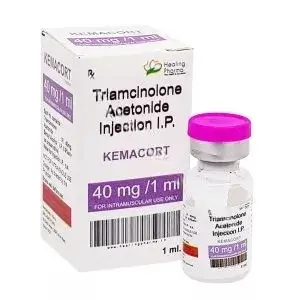
Kemacort Injection (Triamcinolone)
$20.00 $49.00Price range: $20.00 through $49.00
Next product
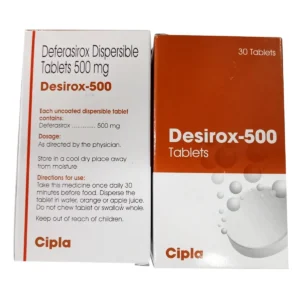
Desirox 500mg (Deferasirox)
$60.00 $165.00Price range: $60.00 through $165.00
$60.00 $162.00Price range: $60.00 through $162.00
In Stock
In Stock
HQTOR (Hydroxychloroquine Sulfate)
| Pack Size | Price | Quantity | Add To Cart | |
|---|---|---|---|---|
| 100 Tablet/s | $60.00 | |||
| 150 Tablet/s | $87.00 | |||
| 200 Tablet/s | $112.00 | |||
| 300 Tablet/s | $162.00 | |||
| Want to order in bulk / B2B price? Send Inquiry | ||||
×
Sorry!! Out of Stock
Sorry! HQTOR (Hydroxychloroquine Sulfate) is out of stock
Please click below to view other similar medications.
View All Hydroxychloroquine Sulfate Products

Offer You Can't Resist
Free Shipping
Enjoy Free Shipping on Orders above AUD304 (USD199)
Estimate Shipping :
07 June - 14 June
34
Customer service
Customer service was responsive and medicines arrived in perfect condition
 Australia
May 19, 2026
Last Updated on April 13, 2026

Description
Introduction
The HQTOR drug, which is a derivative of its active ingredient Hydroxychloroquine Sulfate, is a drug well-known for its function in treating autoimmune conditions and other illnesses. The drug was originally developed as an anti-malarial medication. Hydroxychloroquine has since become an essential treatment for ailments such as rheumatoid arthritis, systemic lupus erythematosus (SLE), and various other inflammatory disorders.
This blog will cover the essential information you should be aware of about HQTOR and how it functions, the most common applications, dosage guidelines, possible negative side effects, and security advice.
What is HQTOR (Hydroxychloroquine Sulfate)?
HQTOR is a trade name for Hydroxychloroquine sulfate, an equivalent of chloroquine. It’s considered to be an antimalarial as well as an immunomodulatory drug.
Though created to help prevent and cure malaria, HQTOR has become more commonly prescribed for conditions affecting the immune system, which help to regulate the immune system, decreasing inflammation, and also stopping tissue injury.
How Does HQTOR Work?
Hydroxychloroquine acts in several ways:
- Antimalarial Action: It inhibits the growth of malaria parasites inside red blood cells by raising the pH within the parasite’s lysosomes. This reduces their ability to digest hemoglobin.
- Immunomodulatory Effect: It blocks toll-like receptors (TLR) in immune cells. This can help to reduce the abnormal activation of immune cells that is seen in autoimmune disorders.
- Anti-inflammatory Properties: It lowers the level of autoantibodies and inflammatory substances, which helps to reduce inflammation.
The combination of these effects helps HQTOR to manage chronic autoimmune, inflammatory, and other diseases.
Medical Uses of HQTOR
Malaria
- It is very effective for the treatment and prevention of Plasmodium virax, Plasmodium malariae, and Plasmodium ovale malaria.
- It is not effective against chloroquine-resistant Plasmodium falciparum strains.
Rheumatoid Arthritis (RA)
- It reduces joint pain, swelling, and stiffness through modulation of the immune system.
- Most often, they are used in conjunction with other antirheumatic medications that treat the disease (DMARDs).
Systemic Lupus Erythematosus (SLE)
- Enhances joint and skin symptoms.
- Helps reduce flares and avoid complications like kidney damage.
Other Conditions
- It is sometimes used to treat Sjogren’s Syndrome, dermatomyositis, and Porphyria Cutanea Lateralis.
- It has been studied for possible antiviral properties in a few viral diseases.
Dosage and Administration
Dosage is contingent on the illness being addressed, the weight of the patient, and general health:
- Malaria treatment: A typical dose for adults starts at 800 mg and then 400 mg after 6, 24, and 48 hours.
- Malaria prophylaxis: 400 mg once a week beginning two weeks before the exposure. It is extended during exposure, and up to four weeks following the departure from the area of endemicity.
- Autoimmune diseases: 200-400 mg daily. dosages based upon response as well as side effects.
Important: Follow your doctor’s prescriptions and don’t exceed prescribed dosages.
Possible Side Effects
Although HQTOR is generally well tolerated, some side effects can be experienced:
Common Side Effects
- Nausea and vomiting
- Stomach cramps or diarrhea
- Headache
- Dizziness
- Skin rash or itching
Serious but Rare Side Effects
- Retinopathy: In the long run, prolonged usage can lead to damage to the retina, possibly leading to loss of vision. Eye exams on a regular basis are vital.
- Cardiac effects: A few rare cases of cardiomyopathy as well as arrhythmias have been documented.
- Hypoglycemia: Could lower blood sugar levels. This is why diabetics must take care to monitor their blood sugar levels.
- Neuropathy or muscle weakness
Precautions
- Eye exams: The routine retinal exam and annual baseline are recommended for monitoring the presence of toxicity.
- Pregnancy and breastfeeding: It is generally considered safe to make sure to consult with your physician.
- Kidney or liver problems: Adjustments to dosages may be required.
- Drug interactions: Discuss with your doctor any other medication, including digoxin and antiepileptics, as well as other medications that can prolong the QT.
- Beware of using it if you are suffering from any hypersensitivity or allergy to hydroxychloroquine or similar chemicals.
Drug Interactions
HQTOR can interact with:
- Digoxin (could increase toxic levels)
- Metformin (can increase the risk of having hypoglycemia)
- Antacids (Reduce absorption)
- Other QT prolonging agents (an increased chance of developing cardiac arrhythmias)
Always give your physician the complete list of medications.
Storage Instructions
- Keep tablets of HQTOR at room temperature, far from heat and moisture.
- Make sure that the area is safe for young children.
Conclusion
It is known as HQTOR (Hydroxychloroquine Sulfate) is an incredibly versatile drug that has applications in infectious diseases as well as autoimmune diseases. The capability to control the immune system as well as control inflammation has become a key drug in conditions such as rheumatoid arthritis and lupus.
Although effective, strict control and strict adherence to dosage are essential for minimizing risks like eye irritation. If you’ve been prescribed HQTOR, ensure regular check-ups with your health physician and inform them of any unexpected symptoms promptly.
Additional Information
| Manufacturer | Torrent Pharmaceuticals Ltd |
|---|---|
| Pharmaceutical | Tablet/s |
| Strength | 200 mg |
| Pack Size | 100 Tablet/s, 150 Tablet/s, 200 Tablet/s, 300 Tablet/s |
Related products




Recently Viewed
Reviews
There are no reviews yet.