
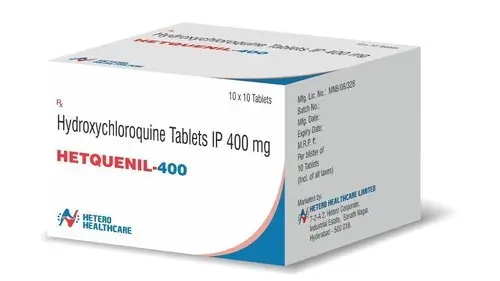
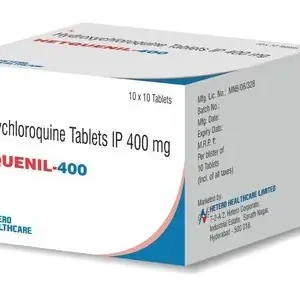
Hetquenil 400mg (Hydroxychloroquine)
Previous product
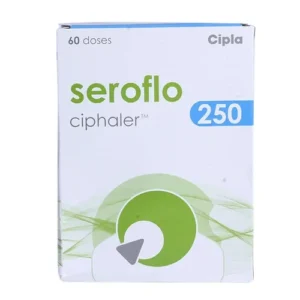
Seroflo Ciphaler 250mcg (Salmeterol/Fluticasone)
A$30.00 A$85.00Price range: A$30.00 through A$85.00
Next product
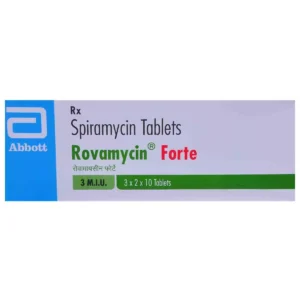
Rovamycin Forte (Spiramycin)
A$90.00 A$206.25Price range: A$90.00 through A$206.25
A$75.00 A$200.00Price range: A$75.00 through A$200.00
In Stock
In Stock
Hetquenil 400mg (Hydroxychloroquine)
| Pack Size | Price | Quantity | Add To Cart | |
|---|---|---|---|---|
| 50 Tablet/s | A$75.00 | |||
| 100 Tablet/s | A$135.00 | |||
| 200 Tablet/s | A$200.00 | |||
| Want to order in bulk / B2B price? Send Inquiry | ||||
×
Sorry!! Out of Stock
Sorry! Hetquenil 400mg (Hydroxychloroquine) is out of stock
Please click below to view other similar medications.
View All Hydroxychloroquine Products
Offer You Can't Resist
Free Shipping
Enjoy Free Shipping on Orders above AUD304 (USD199)
Estimate Shipping :
27 July - 03 August
23
Simple ordering
Simple ordering, secure payment, and timely delivery. Everything went perfectly
 Australia
July 14, 2026
Last Updated on March 30, 2026

Description
Introduction
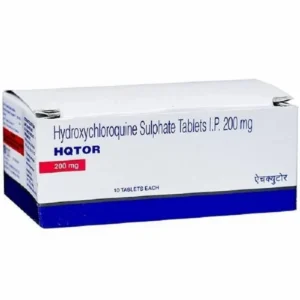
Hetquenil is the trade name of the medication Hydroxychloroquine Sulfate, which is available in 400 mg and 200 mg tablet dosages. Hetquenil 400 mg is a combination of hydroxychloroquine sulfate equal to the 400mg base drug. It is most commonly known as a drug used in treating and managing autoimmune disorders, malaria infections, as well as, in some instances, it is used as a part of COVID-19 treatment strategies (though it is mostly discouraged because of the absence of definitive evidence).
Chemical and Pharmacological Profile
- Drug class: Antimalarial, Disease-Modifying Antirheumatic Drug (DMARD)
- Molecular formula: C18H26ClN3O
- Mechanism of action:
- Antimalarial: Hydroxychloroquine raises the pH of vacuoles in the intracellular space, thereby affecting the ability of parasites to break down and use hemoglobin.
- Immunomodulatory effects: In conditions of autoimmune disease, the virus interferes with the process of antigens in macrophages as well as other cells that present antigens, decreasing inflammation and hyperactivity.
Therapeutic Uses
- Rheumatoid Arthritis (RA)
Hetquenil is used to treat swelling, pain, and stiff joints in people who suffer from RA. It’s usually used in conjunction with other DMARDs, such as methotrexate and sulfasalazine. - Systemic Lupus Erythematosus (SLE)
It assists in reducing signs like joint pain, fatigue, irritation of the skin, and inflammation of the lungs. It has been demonstrated over time to decrease flare-ups and progress. - Discoid Lupus Erythematosus (DLE)
Patients suffering from cutaneous manifestations of lupus. Hetquenil helps to treat skin lesions and decreases inflammation. - Malaria (Prevention and Treatment)
Hydroxychloroquine is a drug that was previously used to treat and prevent malaria, specifically for Plasmodium viax P. ovale as well as Plasmodium malariae. But resistance in some areas has restricted its use. - Off-label and Investigational Uses
- COVID-19: Initial studies were conducted to determine whether it could have benefits against viruses. But, later large-scale research as well as WHO guidance has not endorsed its use because of its lack of effectiveness and safety concerns.
- Sjogren’s Syndrome
- Porphyria cutanea tarda
- Chronic Q fever
Dosage and Administration
- Standard dose: 400 mg daily, or divided into two doses of 200 mg.
- RA/Lupus: A starting dose can be as low as 400-600 mg daily over a period of months or even weeks. A maintenance dose of 200-400 mg a day.
- Malaria prophylaxis: 400 mg a week commencing 2 weeks before the exposure, and lasting for four weeks after leaving the region.
- Malaria treatment: A dose loading of 800 mg, followed by 400 mg after 6, 24, and 48 hours.
Note: Dosage should be moderately adjusted for patients suffering from kidney or liver disease. The dosage must not be more than 6.5 mg/kg/day in accordance with optimal body weight in order to limit the chance of toxic effects.
Side Effects
A majority of patients can tolerate Hetquenil very well, particularly when doses are lower. But the potential adverse reactions can be mild to very serious.
Common Side Effects
- Nausea
- Vomiting
- Diarrhea
- Abdominal pain
- Headache
- Skin rash
- Itching
Serious Side Effects
- Ocular toxicity (Retinopathy)
In the long run, prolonged use may cause irreparable damage to the retina, which can cause vision loss or complete blindness. Signs and symptoms are:- Blurred vision
- Difficulty reading
- Changes in color vision
Eye exams regularly (every six to twelve months) are vital.
- Cardiotoxicity
- Can cause QT prolongation, arrhythmias
- Rare cases of cardiomyopathy
- Myopathy and Neuropathy
- Muscle weakness
- Tingling or numbness
- Hematologic Effects
- Rare: leukopenia, anemia, thrombocytopenia
- Hypoglycemia
- Can lower blood sugar, especially in diabetic patients
Precautions and Warnings
- Ophthalmic Monitoring
the patients who undergo long-term therapy must regularly undergo retinal screenings as well as visual field tests to avoid irreparable vision loss. - Cardiac Monitoring
regular and baseline ECGs might be necessary in particularly when the patient is taking another QT-inducing drug. - Renal or Hepatic Impairment
Adjustments to dosages are required. Hydroxychloroquine metabolism occurs in the liver before being excreted by the kidneys. - Pregnancy and Breastfeeding
- It is generally considered safe to use during pregnant women suffering from autoimmune diseases with medical supervision.
- In small amounts, it is excreted into breast milk. However, they are generally not recommended.
- G6PD Deficiency
given the rare chance of hemolysis, the need for caution is suggested.
Drug Interactions
Hydroxychloroquine may interact with other medications:
- Digoxin: The increase in serum levels can lead to toxicity.
- Cyclosporine: An increase in levels could occur.
- Antiepileptics: Reduced threshold for seizures.
- Antacids: Absorption should be reduced; it is recommended to be taken at least 4 hours apart.
- Other QT-prolonging drugs: Risk of developing serious arrhythmias.
Contraindications
- Hypersensitivity is a known complication of Hydroxychloroquine or 4-aminoquinoline chemicals
- Pre-existing maculopathy
- Children younger than 6 years (great danger of toxicity and an overdose)
Storage and Handling
- Maintain a temperature of 25°C (77°F) and in dry conditions.
- Be sure to keep away from youngsters; a minor overdose could be fatal, particularly for children.
Hydroxychloroquine vs Chloroquine
Hydroxychloroquine is a variant of chloroquine that has a superior quality safety profile and fewer adverse reactions, specifically regarding ocular toxicities. It is commonly used in the treatment of autoimmune disorders due to its better tolerability.
Overdose and Toxicity
The overdose of Hydroxychloroquine may be fatal, particularly in children. The symptoms include:
- Drowsiness
- Headache
- Visual disturbances
- Cardiovascular collapse
- Hypokalemia
- Seizures
Treatment for emergencies comprises activated charcoal, ECG surveillance, as well as support services within an ICU environment.
Controversies and COVID-19
At the start of the COVID-19 pandemic, hydroxychloroquine (including Hetquenil) received significant interest as a treatment for the virus. However, studies that were randomized didn’t show significant results in terms of adverse cardiac side effects, which led to the decision to stop the use of hydroxychloroquine for COVID-19 in the majority of nations. The current guidelines for clinical practice do not recommend hydroxychloroquine in COVID-19 treatment or prevention.
Related products

Recently Viewed
Reviews
There are no reviews yet.