

Hepbest (Tenofovir Alafenamide)
Previous product

Entehep 0.5mg (Entecavir)
$68.00 $144.00Price range: $68.00 through $144.00
Next product
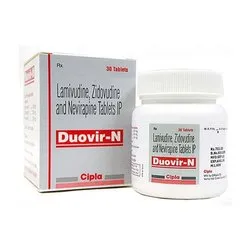
Duovir N (Lamivudine/Zidovudine/Nevirapine)
$39.60 $95.38Price range: $39.60 through $95.38
$60.00 $160.00Price range: $60.00 through $160.00
In Stock
In Stock
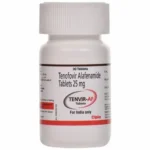
Hepbest (Tenofovir Alafenamide)
| Pack Size | Price | Quantity | Add To Cart | |
|---|---|---|---|---|
| 30 Tablet/s | $60.00 | |||
| 60 Tablet/s | $110.00 | |||
| 90 Tablet/s | $160.00 | |||
| Want to order in bulk / B2B price? Send Inquiry | ||||
×
Sorry!! Out of Stock
Sorry! Hepbest (Tenofovir Alafenamide) is out of stock
Please click below to view other similar medications.
View All Tenofovir Alafenamide Products
Offer You Can't Resist
Free Shipping
Enjoy Free Shipping on Orders above AUD304 (USD199)
Estimate Shipping :
19 June - 26 June
26
Last Updated on March 30, 2026

Description
Introduction
For the treatment of chronic viral diseases like Hepatitis B or HIV, the antiviral drugs have a significant role to play in tackling the illness and improving the patient’s living conditions. One of these medications can be found in Hepbest, is a drug that has an active substance called Tenofovir alafenamide (TAF). It is known for its powerful antiviral properties and enhanced security profile. Hepbest is increasingly prescribed in combination therapies for viral infections.
This article gives a thorough description of Hepbest and its applications and mechanism of action, dosage, adverse effects, as well as precautions and essential details.
What is Hepbest?
Hepbest is a prescribed medicine that contains Tenofovir Alafenamide (TAF), a product of Tenofovir. It is part of a group of antiviral medications known as Nucleotide Reverse Transcriptase Inhibitors (NRTIs). They work by blocking the enzyme known as reverse transcriptase, which is vital in the replication of viruses.
TAF is used principally for treating the chronic Hepatitis B virus (HBV) infection. It can be used as a component in treatment for antiretroviral HIV disease. In comparison to the predecessor, tenofovir disoproxil fumarate (TDF), TAF offers greater efficacy in low doses and lower chances of kidney damage as well as bone loss.
How Does Hepbest Work?
Hepbest’s active chemical, Tenofovir Alafenamide an active drug that penetrates cells faster than TDF and transforms within the cells into diphosphate tenofovir, which is the main antiviral medication. This drug blocks the reverse transcriptase enzyme of viruses and stops viruses from copying their genetic material and from replicating.
Inhibiting viral replication, Hepbest assists in reducing the quantity of viruses that are present in the human body (viral load) and slows the progression of disease, and reduces the chance of damage to the liver or other related complications of AIDS.
Indications
Hepbest is prescribed for:
- Chronic Hepatitis B infection: To stop HBV replication, decrease liver inflammation, and reduce complications, such as cirrhosis and liver cancer.
- HIV infection: Most often, it is used in conjunction with the combination treatment to reduce HIV levels and boost the immune system.
Dosage and Administration
The dose of Hepbest is dependent on the disease that is being treated, the health status of the patient, as well as other medicines taken concurrently.
- To treat long-term Hepatitis B for chronic Hepatitis B, the typical dosage will be 25 mg once a day in a pill orally with or without food.
- In the case of HIV, TAF usually comes as a fixed-dose combination medication, and dosages can vary in accordance with the particular combination.
It is essential to adhere to the dosage prescribed and never to discontinue the treatment without consulting a physician, in case abrupt discontinuation could increase resistance to viral infection or a flare-up of the disease.
Benefits of Hepbest
- Effective viral suppression: Significantly reduces the amount of viral burden, increasing outcomes in clinical outcomes.
- Improved safety profile: Reduced risk of kidney damage as well as bone loss, compared with earlier tenofovir formulations.
- Convenient dosing: The once-daily tablet helps with adhesion.
- Compatible with other antivirals: Useful in conjunction with other regimens to treat HIV and HBV.
Possible Side Effects
Although Hepbest is generally well-tolerated, certain patients might have side effects. These include:
- Headache
- Nausea
- Fatigue
- Abdominal pain
- Diarrhea
- Dizziness
Although uncommon, it can be a result of:
- Lactic acidosis (a buildup of lactic acid in the blood)
- Severe liver problems
- Kidney problems or changes in kidney function
- Bone density reduction (less common with TAF than TDF)
If you notice symptoms such as muscle weakness or pain or fatigue, unusual tiredness, difficulty breathing, or intense stomach pain, you should seek medical assistance immediately.
Precautions and Warnings
- Kidney and bone health: Anyone with a pre-existing kidney problem or osteoporosis needs to be observed frequently.
- Hepatitis B flare: Refusing treatment too soon can result in severe deterioration of Hepatitis B.
- Drug interactions: Tell your doctor about any medication and supplements to avoid interactions, specifically with drugs, including antiretrovirals and rifamycin, as well as anticonvulsant or St. John’s Wort.
- Pregnancy and breastfeeding: Talk to your physician to determine the risk profile. The information on safety for the use of contraceptives during pregnancy is typically positive, but it is important to evaluate each in a specific manner.
- Resistance: It is essential to adhere to the treatment to avoid the development of strains resistant to drugs.
Monitoring During Treatment
Regular monitoring is crucial for patients who are taking Hepbest:
- Tests of load transmission to determine the efficiency.
- Tests of liver function for monitoring liver health.
- Kidney function tests, which include serum creatinine as well as urine analysis.
- Bone density tests are used to determine if risk factors of osteoporosis are present.
Drug Interactions
Hepbest may interact with a variety of medicines, which could alter its efficacy or cause a greater risk of adverse effects. The most important interactions are:
- Anticonvulsants (e.g., carbamazepine, phenytoin) may reduce TAF levels.
- Rifamycins (e.g., rifampin) can decrease TAF concentrations.
- Other antiretrovirals need careful consideration regarding dosage.
- Herbal remedies such as St. John’s Wort can reduce drug efficiency.
Make sure you disclose your complete medication list to your doctor.
Storage Instructions
Place Hepbest tablets in a dry, cool space free of excessive sunlight and water. Be sure to keep them out of the access of young children. Use only until the expiration date is shown on the packaging.
Conclusion
Hepbest (Tenofovir Alafenamide) is a significant advancement in the treatment of chronic Hepatitis B as well as HIV diseases. Through its powerful antiviral activity as well as a more secure safety profile and convenient daily dosing schedule, Hepbest can help patients control their ailments more efficiently and minimize the risk of side effects that are related to bone health and kidney function.
Similar to any prescribed medication, it is crucial to take Hepbest under the direction of a qualified healthcare professional. Follow the prescribed dosages and be monitored regularly for the best outcomes.
If you or your loved one is treated with Hepbest, keeping in constant contact with your physician and reporting any negative side reactions promptly could help to increase the benefit of the treatment and enhance your quality of life.
Related products

Recently Viewed



Reviews
There are no reviews yet.