
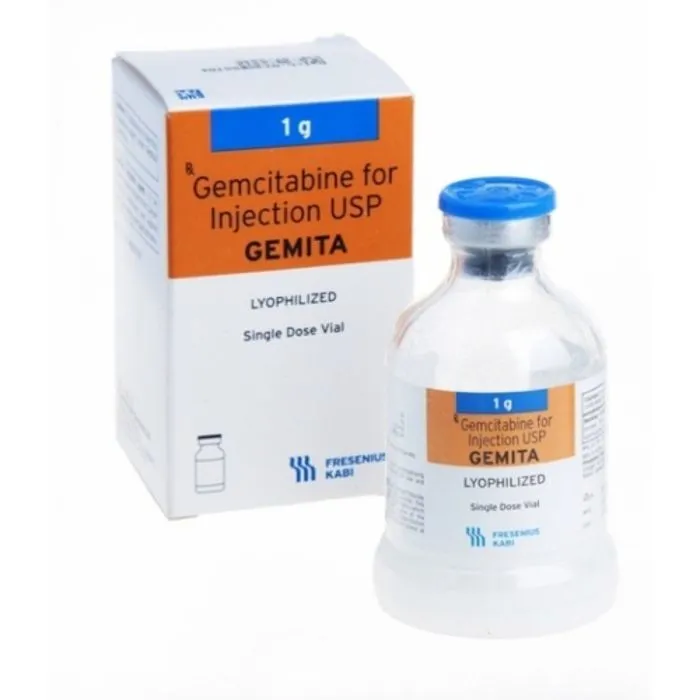
Gemita 1000mg Injection (Gemcitabine)
Previous product

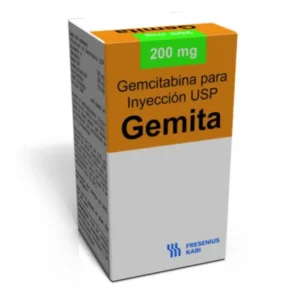
Gemita 200mg Injection (Gemcitabine)
A$32.00 A$85.00Price range: A$32.00 through A$85.00
Next product
Honvan 120 mg (Fosfestrol Tetrasodium)
A$45.00 A$105.00Price range: A$45.00 through A$105.00
A$110.00 A$300.00Price range: A$110.00 through A$300.00
Out of Stock
Out of Stock
Gemita 1000mg Injection (Gemcitabine)
| Pack Size | Price | Quantity | Add To Cart | |
|---|---|---|---|---|
| 1 Injection | A$110.00 | |||
| 2 Injection/s | A$205.00 | |||
| 3 Injection/s | A$300.00 | |||
| Want to order in bulk / B2B price? Send Inquiry | ||||
×
Sorry!! Out of Stock
Sorry! Gemita 1000mg Injection (Gemcitabine) is out of stock
Please click below to view other similar medications.
View All Gemcitabine Products

Offer You Can't Resist
Free Shipping
Enjoy Free Shipping on Orders above AUD304 (USD199)
35
Excellent service overall
Smooth checkout, quick dispatch, and secure delivery. Excellent service overall
 Australia
October 1, 2026
Last Updated on March 28, 2026

Description
Gemita 1000mg Injection contains an active component, Gemcitabine. It is a medication for chemotherapy that is commonly utilized to treat a variety of forms of cancer. It is categorized as an antimetabolite drug that hinders the spread and growth of cancerous cells within the body.
In this post on this blog, we’ll explain all that you should learn about Gemita 1000mg injection and how it operates, its usage, dosage guidelines, possible adverse effects, warnings, and answers to commonly sought-after questions.
What is Gemita 1000mg Injection?
Gemita 1000mg injection contains Gemcitabine hydrochloride, which is a synthetic nucleoside analog. It functions by mimicking DNA’s basic building blocks, which can disrupt DNA synthesis and functions in cancerous cells. The interference stops cancer cells from reproducing and, ultimately, results in their death.
Gemcitabine is used for chemotherapy to treat solid tumors and hematological tumors. It is administered via intravenous injection, generally in a hospital setting or in a clinical environment, and under the guidance of an oncologist.
Uses of Gemita 1000mg Injection
Gemita 1000mg Injection has been prescribed for the treatment of a range of types of cancers. This includes, but is not restricted to:
- Non-small cell lung cancer (NSCLC): It can be used by itself or in conjunction with other chemotherapy agents.
- Pancreatic cancer: Gemcitabine is regarded as a common treatment for advanced pancreatic cancer that is advanced.
- Bladder cancer: It is often prescribed along with other medicines for the treatment of invasive bladder cancers.
- Breast cancer: In certain situations, in certain cases, particularly metastatic breast cancer.
- Ovarian cancer: Sometimes, it is administered as an element of chemotherapy regimens.
- Other cancers: The drug may also be prescribed in conjunction with other cancers, according to the advice of an oncologist.
How Does Gemcitabine Work?
Gemcitabine is an antagonist that can be converted within the organ into active metabolites. They are integrated into DNA in the S-phase (DNA synthesizing period) during the process of cell growth. In exchange for normal nucleotides, they block DNA polymerase and stop the replication of DNA. The result is a cell cycle stoppage and triggers programmed cell death (apoptosis) in rapidly expanding cancerous cells.
Since cancer cells multiply faster than normal cells, they’re more vulnerable to the side effects of Gemcitabine. This makes it effective in reducing tumor development.
Dosage and Administration
Gemita 1000mg injection is administered intravenously. The precise dosage is based on the kind of cancer being treated, as well as the amount of body surface area (BSA), kidney and liver function, and overall health condition.
The typical dosing schedule may contain:
- For Non-Small Cell Lung Cancer: Gemcitabine is generally administered every week for 3 weeks, then followed by a week of time off. Dosages typically range from 1000 mg/m2 for each infusion.
- For Pancreatic Cancer: Each week for seven weeks, and then a break period.
- For Bladder Cancer: In combination with other chemotherapy agents during cycles.
The typical infusion lasts between 30 to 60 minutes. The treatment cycles can repeat every one week or once every two weeks, depending upon the plan of treatment.
Injections must be administered only by health professionals experienced with the administration of chemotherapy to check for any reactions and alter doses according to need.
Precautions and Contraindications
Before beginning Gemita 1000mg injection, the patient should talk to their physician about:
- Are there any allergies to Gemcitabine and similar medicines?
- Recent medications, particularly other chemotherapy drugs, immunosuppressants, or anticoagulants.
- Medical conditions that is present, such as kidney or liver disease.
- The status of breastfeeding or pregnancy is a concern, since Gemcitabine could affect the fetus or the nursing baby.
- An infection history because chemotherapy is known to affect the immune system.
Gemcitabine is a drug to be avoided when patients have poor blood count and active infections, as well as serious liver disease.
Possible Side Effects
As with all chemotherapy medications, Gemita 1000 mg injection can trigger adverse effects. However, not everyone is affected by them, and the effects can differ in their severity.
Common side effects include:
- Bone marrow suppression: which can lead to lower concentrations of white blood cells, resulting in low levels of white blood (increasing the risk of infection), Red blood cells (causing anemia), and leading to low levels of platelets (increasing the risk of bleeding).
- Nausea and vomiting
- Fatigue and weakness
- Fever or chills
- Rash or skin reactions
- Liver enzyme elevations
- Flu-like symptoms: including muscle aches and fever.
- Shortness of breath or cough
Less common but serious side effects:
- Severe allergic reactions.
- Lung inflammation (pneumonitis).
- Kidney or liver damage.
- Severe infections due to immune suppression.
Patients must immediately notify any indications of infections (fever and sore throat), uncharacteristic bruising or trouble breathing, or reactions of an allergic nature (rash, swelling, or difficulty swallowing) to their physician.
Monitoring During Treatment
The patients who are receiving Gemita 1000mg Injection are subject to regular blood tests in order to check the levels of blood, liver and kidney performance. The dosage can be adjusted according to the results.
Doctors monitor the adverse effects as well as treatment efficacy by conducting physical examinations or imaging tests. They also collect the feedback of patients.
Storage and Handling
Gemcitabine injections should be kept in a specific environment, typically stored in a refrigerator that is kept between 2°C to 8°C. They should not be stored in a freezer and should be kept away from radiation. The injection must be prepared and handled by skilled health professionals who adhere to strict guidelines for aseptic handling.
Frequently Asked Questions (FAQs)
How soon can I expect to see results after starting Gemita 1000mg Injection?
The effects of chemotherapy vary based on the individual and the type of cancer. Patients may experience symptom relief or shrinkage in tumours following a couple of cycles. Others might require more time. Your doctor will track the progress of your treatment attentively.
Can Gemita 1000mg Injection be used with other chemotherapy drugs?
Yes, It is true; Gemcitabine is often combined with other chemotherapy agents such as carboplatin and cisplatin to increase efficiency. The combination regimen is based on the nature of the cancer as well as the treatment strategy.
Is Gemcitabine safe during pregnancy?
No, It’s not, Gemcitabine may harm the embryo. It’s not advised during pregnancy. Women who are pregnant must use a contraceptive that is effective during treatment.
What should I do if I miss a scheduled dose?
Get in touch with your doctor immediately. Avoid self-administration or altering your dosage without seeking medical advice.
Are there any foods or medications I should avoid while on Gemcitabine?
There aren’t any specific restrictions on food items; however, it is recommended to inform your physician regarding all supplements, medications, or herbal supplements to ensure that there are no interactions.
Can Gemcitabine cause hair loss?
The loss of hair is not as common when using Gemcitabine in comparison to other chemotherapy drugs. However, it may remain a problem for some people.
How long does each injection take?
The average infusion lasts from 30 to 60 minutes.
Will Gemcitabine affect my ability to work or perform daily activities?
The effects of fatigue and other side effects could affect the energy level of your body. It is important to take a break and talk about any restrictions with your doctor.
Conclusion
Gemita 1000mg injection (Gemcitabine) is a powerful chemotherapy drug that is widely utilized to treat a variety of forms of cancer. The mechanism it works on concentrates on rapidly-dividing cancer cells to stop their proliferation and growth. Although it is effective, it demands cautious administration, surveillance, and treatment of adverse consequences by skilled healthcare specialists.
If you or your family member has received Gemita 1000mg injection, understanding the process of treatment and keeping contact with the medical staff could help maximize outcomes and minimize the risk of negative side effects.
Additional Information
| Manufacturer | Fresenius Kabi India Pvt.Ltd. |
|---|---|
| Pharmaceutical | Injection |
| Strength | 1000mg |
| Pack Size | 1 Injection, 2 Injection/s, 3 Injection/s |
Related products


Reviews
There are no reviews yet.