

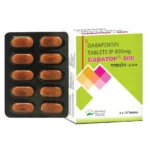
Gabatop 300mg (Gabapentin)
Previous product

Susten 100mg (Progesterone)
$24.00 $51.25Price range: $24.00 through $51.25
Next product

Siphene M 25mg (Clomiphene)
$18.00 $41.25Price range: $18.00 through $41.25
$21.00 $46.25Price range: $21.00 through $46.25
In Stock
In Stock
Gabatop 300mg (Gabapentin)
| Pack Size | Price | Quantity | Add To Cart | |
|---|---|---|---|---|
| 30 Capsule/s | $21.00 | |||
| 60 Capsule/s | $32.50 | |||
| 90 Capsule/s | $46.25 | |||
| Want to order in bulk / B2B price? Send Inquiry | ||||
×
Sorry!! Out of Stock
Sorry! Gabatop 300mg (Gabapentin) is out of stock
Please click below to view other similar medications.
View All Gabapentin Products

Offer You Can't Resist
Free Shipping
Enjoy Free Shipping on Orders above AUD304 (USD199)
Estimate Shipping :
06 June - 13 June
27
Last Updated on March 28, 2026

Description
Gabatop 300mg (Gabapentin): Uses, Benefits, Side Effects, and FAQs
Gabatop 300mg is a trademark term used to describe the medication Gabapentin, which is an extremely prescribed medication for various neurological ailments. Gabapentin has been praised as a powerful medication for managing seizures caused by nerves and pain, which makes it an essential treatment for patients suffering from chronic ailments. This article will cover its benefits, uses, and negative effects, dosage recommendations, as well as frequently asked questions on Gabatop 300mg.
What is Gabatop 300mg (Gabapentin)?
Gabatop 300mg contains Gabapentin, which is an anticonvulsant as well as a neuropathic painkiller. It was originally developed to treat epilepsy; however, its uses have been broadened to encompass the treatment of restless leg syndrome and occasionally anxiety conditions. It is a drug that calms overactive nerves within the brain and nervous system, decreasing seizure frequency and alleviating the pain caused by damage to nerves.
Uses of Gabatop 300mg
- Epilepsy: Gabapentin can help control seizures that are partial as well as in adults. It’s frequently used in conjunction with other drugs to treat seizures.
- Neuropathic Pain: It can be effective in relieving nerve pain that is caused by diseases like postherpetic neuralgia, diabetic neuropathy (pain after the shingles), as well as different nerve-related injuries.
- Restless Leg Syndrome (RLS): Gabapentin may help to lessen the discomfort and the urge to move legs in connection with RLS.
- Other Off-label Uses: Sometimes doctors prescribe Gabapentin to treat bipolar disorder, anxiety disorders, and certain forms of chronic pain.
How Does Gabapentin Work?
Gabapentin is akin to the neurotransmitter gamma-aminobutyric acid (GABA); however, it does not directly affect GABA receptors. It instead binds certain calcium channels found in nerve cells. This decreases the release of neurotransmitters that stimulate the brain. This helps to calm nerve activity as well as prevent irregular neural firing, which can cause pain and seizures.
Dosage and Administration
Gabatop 300mg is generally given in tablets, consumed orally. The precise dosage varies based on the disease being treated, as well as the age of the patient, kidney function, and the patient’s response to the treatment.
- For epilepsy: It is generally started at a low level and then gradually increases in order to reduce the risk of adverse effects.
- For neuropathic pain: The doctor will usually start by using a small dose and gradually increasing the dose as needed to get ease of pain.
- General advice: Use Gabatop at regular intervals throughout the day. Gabatop can be taken either with or without eating. Be careful not to abruptly stop taking the medicine without consulting your doctor because this may cause seizures or withdrawal symptoms.
Possible Side Effects
As with all medicines, Gabapentin may cause side effects. The majority of them are minor and short-lasting. However, some could need medical attention.
Common Side Effects
- Dizziness
- Drowsiness or fatigue
- Coordination problems or unsteadiness
- Swelling of the hands and feet (edema)
- Blurred vision
- Dry mouth
- Weight gain
Serious Side Effects (Seek medical help immediately)
- Severe allergic reactions (rash, itching, swelling)
- Mood changes such as depression or suicidal thoughts
- Severe dizziness or fainting
- Unusual changes in behavior or mood
If you have any significant negative side effects, consult your doctor immediately.
Precautions and Warnings
- Kidney issues: Gabapentin is excreted via the kidneys. So dosage adjustments may be required for patients suffering from impaired kidney function.
- Pregnancy and breastfeeding: Talk to your physician before deciding to take Gabapentin if you’re pregnant or nursing.
- Driving and operating machinery: Gabapentin could cause dizziness and sleepiness. Be careful when driving or operating machines until you are aware of the effect of the medication on you.
- Alcohol: Beware of alcohol, as it may create side effects, such as dizziness and drowsiness.
- Drug interactions: Discuss with your doctor all medicines you take, as Gabapentin may be a drug that interacts with other medications, such as opioids and antacids.
How to Store Gabatop 300mg
Place Gabatop tablets in a dry, cool space in a dark, shaded area away from bright sunlight. Make sure that the tablets are out of reach of animals and children.
Frequently Asked Questions (FAQs)
-
Can I stop taking Gabatop 300mg suddenly?
No, it is not recommended to discontinue your use of Gabapentin immediately without consulting with your physician. A sudden discontinuation could cause seizure-like symptoms or even increased seizures. Your physician will instruct you in the right direction to decrease the dosage gradually should it be necessary.
-
How long does it take for Gabapentin to work?
It is possible to notice the effects of gabapentin within the first few hours, with the most notable effect being the relief of nerve pain. It can be several days or weeks before the effects are fully therapeutic on seizure disorders or chronic pain.
-
Is Gabapentin addictive?
Gabapentin isn’t classified as a controlled drug; however, there are reports of dependence and misuse, particularly among those who have a previous history of addiction to drugs. Be sure to take the medication exactly in the manner it is prescribed.
-
Can I take Gabapentin with other pain medications?
Gabapentin can be used in conjunction with other pain medicines; however, be sure to talk with your physician before taking any medications together to prevent harmful interactions.
-
What should I do if I miss a dose?
Do not miss the dose when you recall. If it’s almost time to take your next dose, do not take the one you missed. Don’t double your dose in order to compensate for the dose that was missed.
-
Are there any foods or drinks I should avoid while taking Gabapentin?
Beware of alcohol, as it may make you more dizzy and tired. Certain foods should not be avoided; however, it is important to maintain an appropriate diet and remain hydrated.
-
Can children take Gabapentin?
Gabapentin is a medication that can be prescribed to kids for specific conditions such as epilepsy; however, the dosage and quality of the medication must be closely examined by a doctor.
-
Can Gabapentin cause weight gain?
Yes, some people do experience weight loss during the treatment with Gabapentin. If you experience substantial weight loss, talk about the issue with your physician.
-
How is Gabapentin different from other anticonvulsants?
Gabapentin is frequently praised for its mild adverse effect presence and its efficacy in dealing with neuropathic pain. This is in contrast to the majority of anticonvulsants, which concentrate on seizure management.
-
What happens if I overdose on Gabapentin?
A drug overdose may cause extreme blurred speech or even loss of coordination. Contact emergency medical assistance as soon as an overdose is suspected.
Gabatop 300mg (Gabapentin) is a multifaceted and essential medication to manage neuro-related pain and seizures. A proper use with medical supervision will improve the quality of life for many patients. Follow the instructions of your doctor and notify any adverse effects or issues promptly.
Related products





Recently Viewed

Reviews
There are no reviews yet.