

Fucidin H Cream
Previous product
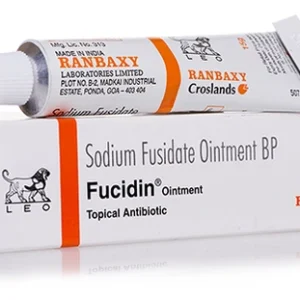
Fucidin Ointment 15g (Fusidic Acid)
A$29.83 A$108.79Price range: A$29.83 through A$108.79
Next product
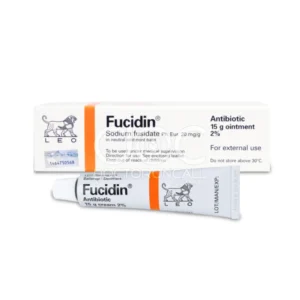
Fucidin Ointment 5g (Fusidic Acid)
A$21.06 A$39.31Price range: A$21.06 through A$39.31
A$35.10 A$126.34Price range: A$35.10 through A$126.34
In Stock
In Stock
Fucidin H Cream
| Pack Size | Price | Quantity | Add To Cart | |
|---|---|---|---|---|
| 3 Tube/s | A$35.10 | |||
| 6 Tube/s | A$65.98 | |||
| 12 Tube/s | A$126.34 | |||
| Want to order in bulk / B2B price? Send Inquiry | ||||
×
Sorry!! Out of Stock
Sorry! Fucidin H Cream is out of stock
Please click below to view other similar medications.
View All Fusidic Acid/Hydrocortisone Products
Offer You Can't Resist
Free Shipping
Enjoy Free Shipping on Orders above AUD304 (USD199)
Estimate Delivery :
29 October - 05 November
21
Excellent service overall
Smooth checkout, quick dispatch, and secure delivery. Excellent service overall
 Australia
October 1, 2026
Last Updated on March 28, 2026

Description
Fucidin H Cream: Uses, Benefits, and Important Information
In the case of dealing with skin infections and inflammation, having a reliable topical medicine is essential. Fucidin H cream is one such item frequently prescribed by dermatologists as well as general practitioners because of its dual-action formulation. The cream is a combination of an antibiotic and a corticosteroid to provide relief from infections caused by bacteria and inflammation in the same. In this post, we’ll look at what Fucidin H Cream is, what it does, usage, directions for use, precautions, as well as side effects, and other information.
What is Fucidin H Cream?
Fucidin H cream is a cream that contains two active ingredients:
- Fusidic Acid (2%): Antibiotics that are effective against many kinds of bacteria, including Staphylococcus aureus. It acts by preventing the synthesis of proteins by bacteria, which blocks the growth of bacterial cells and aids in treating infections.
- Hydrocortisone (1%): Mild corticosteroid to reduce itching, redness, irritation, and swelling of the skin.
Combining these two substances makes Fucidin H Cream effective in dealing with skin infections that are inflamed and bacterial.
How Does Fucidin H Cream Work?
- Fusidic Acid: Kills and targets bacteria that reside on the skin’s surface, stopping them from producing vital proteins that are necessary for survival. This prevents infected tissue from spreading as well as helps to promote the healing process.
- Hydrocortisone: The drug works by blocking the local immune response by limiting the release of inflammation-causing substances within the skin. It reduces itching, redness, and swelling. This provides alleviation and ease.
Together, they help treat bacterial infections as well as cause inflammation. It makes Fucidin H Cream a powerful topically applied treatment.
Common Uses of Fucidin H Cream
Fucidin H cream is commonly recommended for skin issues that are caused by bacterial infections and that are accompanied by inflammation, for example:
- Impetigo: The infection is contagious, and that is common among children. It is characterized by sores with red flecks, which can produce pus and then form crusts.
- Infected eczema or dermatitis: The patches of eczema can become infected by bacteria and cause more severe symptoms.
- Folliculitis: The hair follicles become inflamed because of a bacterial infection.
- Other superficial bacterial skin infections: Particularly those that cause inflammation and itching.
How to Use Fucidin H Cream
To get the best results, adhere to these guidelines for applying:
- Cleanse and dry the region prior to applying the cream.
- Apply a thin coat of Fucidin H Cream to the affected and inflamed region.
- Rub it gently until the oil is completely absorbed.
- Clean your hands following application, except if the hands themselves are being taken care of.
- Make use of the cream 2-3 times every day or as instructed by your physician.
- Keep treatment going for the entire time, even if the symptoms get better in the beginning, so that you can avoid the possibility of recurrence.
Duration of Treatment
The duration of treatment typically ranges from 7 to 14 days, depending on the severity of the condition and the advice of the physician. Beware of prolonged usage, particularly in large areas, as there are potential negative side effects caused by the corticosteroid component.
Benefits of Fucidin H Cream
- Dual-action formula: It combines anti-inflammatory and antibiotic properties to provide a complete treatment.
- Effective against resistant bacteria: Fusidic Acid is especially beneficial in the fight against Staphylococcus aureus and other resistant strains.
- Relieves itching and redness: Hydrocortisone helps reduce uncomfortable symptoms quickly.
- Topical application: It targets skin areas that are affected directly, minimising adverse effects on the system.
- Easy to use: The convenient cream formula allows for easy application.
Possible Side Effects
The majority of people can tolerate Fucidin H Cream well. However, some may suffer from side reactions, such as:
- The stinging or burning sensation may be mild or irritation at the site of application
- The skin is dry, or it peels skin
- Allergic reactions, such as swelling, rash, or itching (rare)
- Hydrocortisone can cause thinning or stretch marks on the skin
- If used long-term, secondary fungal infections can occur
Consult your doctor if you experience severe irritation or an infection that worsens.
Precautions and Warnings
- Do not use on deep or extensive wounds, burns, or ulcers unless advised by a healthcare professional.
- Use caution when using around the mouth, eyes, or nose.
- Tell your doctor before beginning treatment if you’re pregnant or nursing.
- Use cautiously in children and avoid prolonged use to prevent corticosteroid-related side effects.
- Covering treated areas in airtight bandages without instructions can cause absorption to increase and have side effects.
- Seek medical help if you do not see improvement within seven days or if your symptoms get worse.
Interactions
Fucidin H Cream can be used as a topical medication, so systemic drug interactions are very rare. Inform your doctor if you use other topical medications at the same time to prevent possible drug interactions.
Storage Instructions
- Fucidin H Cream should be stored at room temperature away from moisture and direct sunlight.
- Children should not be allowed to touch the product.
- After the expiration date, do not use.
Conclusion
Fucidin H Cream provides a topical solution for treating bacterial skin infections with swelling. Fusidic and hydrocortisone are combined to give both antibacterial and symptomatic relief. This helps patients feel better and heal quickly. The best results will be achieved with proper application and adherence to the prescribed duration.
Talk to your doctor if you think you may have an infection on your skin or if your skin has become inflamed and infected.
Additional Information
| Active Ingredient: | Fusidic Acid/Hydrocortisone |
|---|---|
| Indication: | Bacterial Skin Infections |
| Manufacturer: | Sun Pharmaceutical Industries Ltd. |
| Strength: | 15g |
| Packaging: | 15g in 1 tube |
| Delivery Time: | 7 To 15 days |
Related products






Recently Viewed
Reviews
There are no reviews yet.