

Frusenex 100mg (Furosemide)
Previous product
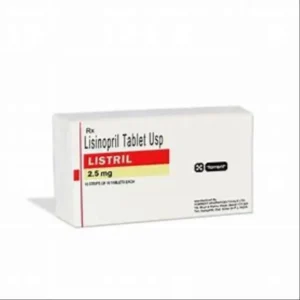
Listril 2.5mg (Lisinopril)
$15.00 $21.00Price range: $15.00 through $21.00
Next product

Lorvas 2.5mg (Indapamide)
$19.00 $33.00Price range: $19.00 through $33.00
$15.00 $28.00Price range: $15.00 through $28.00
Out of Stock
Out of Stock
Frusenex 100mg (Furosemide)
| Pack Size | Price | Quantity | Add To Cart | |
|---|---|---|---|---|
| 60 Tablet/s | $15.00 | |||
| 90 Tablet/s | $21.00 | |||
| 120 Tablet/s | $28.00 | |||
| Want to order in bulk / B2B price? Send Inquiry | ||||
×
Sorry!! Out of Stock
Sorry! Frusenex 100mg (Furosemide) is out of stock
Please click below to view other similar medications.
View All Furosemide Products
Offer You Can't Resist
Free Shipping
Enjoy Free Shipping on Orders above AUD304 (USD199)
45
Last Updated on March 28, 2026

Description
Frusenex 100mg (Furosemide): A Comprehensive Guide to a Powerful Diuretic
Frusenex 100mg, which is a combination of an active component furosemide it is among the diuretics that are most frequently prescribed across the globe. It is a crucial component in the treatment of conditions that are characterized by excessive fluid retention, like hypertension and edema. This blog will offer an extensive knowledge of Frusenex 100mg, its operates, what it does of benefits are, safety precautions, as well as possible adverse consequences.
What is Frusenex 100mg?
Frusenex is the brand name of furosemide, which is a powerful loop diuretic. It’s used primarily for the purpose of promoting the removal of water and salt from your body via the kidneys through increasing the output of urine. Frusenex is typically prescribed as tablets of 100 mg for oral consumption; however, it is also offered in various formulations such as injections.
Furosemide is considered to be a loop diuretic due to the fact that it affects the loop of Henle, which is a particular area of the kidney’s the nephron. There, it blocks the reabsorption of sodium as well as chloride Ions. The inhibition results in increased production of urine and less accumulation of fluid in the body.
How Does Frusenex (Furosemide) Work?
The kidneys cleanse the bloodstream to get rid of debris and keep electrolyte and fluid balance. Normally, sodium and chlorine ions are taken from urine and reabsorbed into the bloodstream through various locations in the kidney. Furosemide targets the thick ascending limb of the loop of Henle, blocking the sodium-potassium-chloride co-transporter.
Through preventing the reabsorption process of these ions, the drug results in more sodium and phosphate remaining in the urine. The water follows the ions in an osmotically manner, resulting in increased urinary volume or diuresis. This procedure helps decrease swelling in tissues and the bloodstream, which reduces the swelling of blood vessels and lowers pressure.
Indications: When is Frusenex 100mg Used?
Frusenex 100mg can be used to treat a variety of ailments that require excessive fluid retention or elevated blood pressures are a concern:
-
Edema
- Edema refers to the build-up of fluids in the tissues, which causes swelling. Most often, it is caused by the liver’s cirrhosis, failure of the heart, or kidney disease. It can also be caused by chronic venous insufficiency.
- Frusenex can help eliminate this fluid. It relieves symptoms, including breathing problems, shortness of breath, as well as discomfort.
-
Hypertension (High Blood Pressure)
- In reducing the volume of blood, Frusenex decreases blood pressure and decreases the likelihood of complications such as stroke or heart attack.
- It is a drug that can be used by itself or with other medications to treat hypertension.
-
Congestive Heart Failure (CHF)
- CHF results in the storage of fluid because the heart is unable to function properly.
- Frusenex helps in decreasing fluid overflow as well as improving the symptoms and helping to prevent hospitalizations.
-
Kidney Disorders
- When there is a kidney problem or nephrotic disorder, fluid retention is often significant.
- Furosemide increases the output of urine even if kidney function is affected.
-
Pulmonary Edema
- Pulmonary edema refers to the accumulation of fluid within the lungs. It is often life-threatening.
- Frusenex can be used in emergencies to reduce the amount of the volume of lung fluids and to improve breathing.
How to Take Frusenex 100mg
- Dosage: The dose is based on the disease being treated, the severity of the condition, the response from patients, and the prescription from a doctor.
- Common starting doses are 20 mg to around 80 mg daily. However, there are instances when doses could reach as high as 600 mg per day, split into a variety of dosages.
- The strength of a 100 mg tablet is typically reserved for situations that require greater dosages.
- Use Frusenex by mouth with a glass of water. Do this usually in the early morning hours to avoid the nocturia (frequent urination during the evening).
- Don’t double your dose in case you missed a dose. Get it immediately when you can remember or skip it if it’s close to the time for your next dose.
- Be sure to follow the doctor’s advice.
Benefits of Frusenex 100mg
- Effective Fluid Removal: Rapidly decreases the amount of liquid and swelling.
- Blood Pressure Control: Aids in managing hypertension.
- Symptom Relief: Increases breathe and eases pain caused by edema.
- Versatile Use: It is effective in all conditions that cause excessive fluid.
- Improves Quality of Life: Through reducing the symptoms associated with the retention of fluid.
Possible Side Effects
As with all medicines, Frusenex 100mg can cause negative side effects. But there are a few who experience them:
Common Side Effects
- Increased urination
- Thirst or dry mouth
- Dizziness or lightheadedness, especially when standing up (due to lowered blood pressure)
- Muscle cramps or weakness (due to electrolyte imbalances)
- Headache
Serious Side Effects (Require Immediate Medical Attention)
- Severe dehydration
- Troubles with electrolytes, like the presence of low potassium (hypokalemia) and the low level of sodium (hyponatremia), or the presence of magnesium deficiency
- The loss of hearing or the ringing within the ear (ototoxicity), particularly when a rapid IV dose is administered or large doses
- Allergic reactions (rash, itching, swelling, difficulty breathing)
- Problems with the kidneys or an increase in function
Precautions and Warnings
- Electrolyte Monitoring: It is important to have regular blood tests to check electrolytes as well as kidney function in the course of the treatment.
- Hydration: Make sure you drink enough fluids unless advised otherwise by your physician.
- Avoid Alcohol: Alcohol can increase dizziness and the risk of dehydration.
- Existing Conditions: Tell your physician if you suffer from diabetes, gout, kidney or liver disease, or imbalances in electrolytes.
- Pregnancy and Breastfeeding: Make use of only when clearly required or prescribed by a medical physician.
- Drug Interactions: Let your physician know about all supplements and medications you use, particularly lithium, digoxin, corticosteroids, NSAIDs, as well as other diuretics.
Lifestyle Tips When Using Frusenex
- Diet: Make sure you eat a healthy, balanced diet that is rich in potassium, unless your physician suggests otherwise. Certain foods, like bananas, spinach, oranges, as well as potatoes, can aid in preventing lower levels of potassium.
- Avoid Excess Salt: The reduction in sodium intake may increase the efficacy of the treatment.
- Monitor Blood Pressure: Make sure you regularly check your blood pressure and inform any major changes to your physician.
- Stay Active: A moderate amount of physical exercise can increase circulation and decrease the accumulation of fluids.
Conclusion
Frusenex 100mg (Furosemide) is an effective loop diuretic that has a crucial role to play in controlling fluid retention as well as hypertension. In addition, by increases the output of urine and reduces the excess fluid within the body. It eases the symptoms of edema, kidney failure, heart failure, as well as hypertension.
Though very efficient, Frusenex must be used in a controlled manner under medical supervision in order to minimize the risk of adverse reactions, especially electrolyte imbalances and dehydration. Continuous monitoring, compliance with the prescribed dose, and lifestyle adjustments are a great way to maximize effects and guarantee the safety of use.
Related products




Recently Viewed

Reviews
There are no reviews yet.