
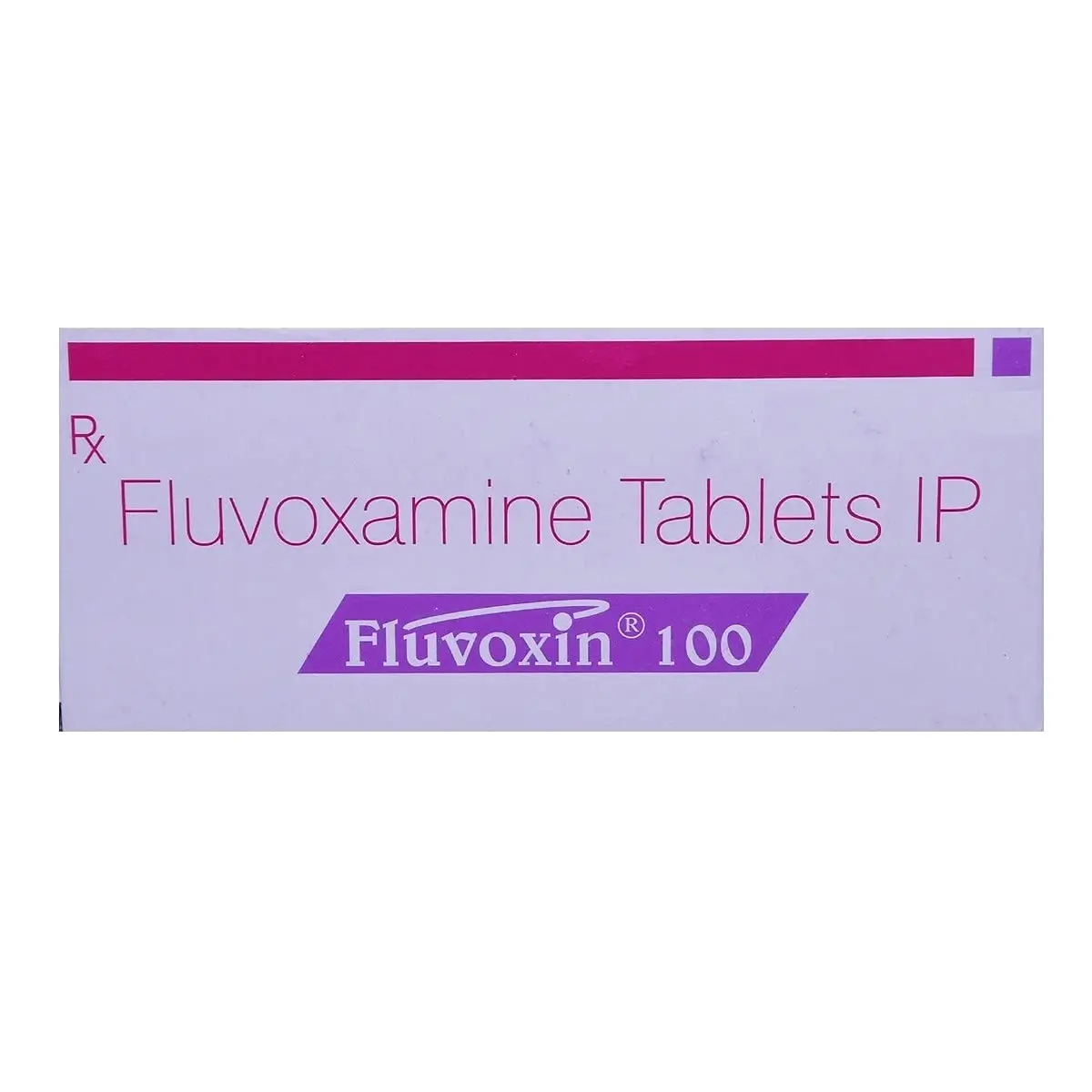
Fluvoxin 100mg (Fluvoxamine)
Previous product
Algrot 120mg (Fexofenadine)
$17.10 $49.50Price range: $17.10 through $49.50
Next product

Pan 40mg (Pantoprazole)
$18.00 $43.00Price range: $18.00 through $43.00
$41.00 $94.00Price range: $41.00 through $94.00
In Stock
In Stock
Fluvoxin 100mg (Fluvoxamine)
| Pack Size | Price | Quantity | Add To Cart | |
|---|---|---|---|---|
| 30 Tablet/s | $41.00 | |||
| 60 Tablet/s | $65.00 | |||
| 90 Tablet/s | $94.00 | |||
| Want to order in bulk / B2B price? Send Inquiry | ||||
×
Sorry!! Out of Stock
Sorry! Fluvoxin 100mg (Fluvoxamine) is out of stock
Please click below to view other similar medications.
View All Fluvoxamine Products
Offer You Can't Resist
Free Shipping
Enjoy Free Shipping on Orders above AUD304 (USD199)
Estimate Shipping :
20 June - 27 June
34
Professional service
Professional service from start to finish. Secure packaging, authentic products, and excellent customer care.
 Australia
May 28, 2026
Last Updated on March 24, 2026

Description
Fluvoxin 100mg (Fluvoxamine): Uses, Benefits, and Considerations
Mental health problems are among the top issues facing the health sector of today. As the awareness about these issues grows and so do the demands for efficient treatment alternatives. One of these treatments is Fluvoxin 100 mg is a form that is a derivative of Fluvoxamine, the medication that is used for treating the condition of obsessive compulsive disorder (OCD) and depression. This blog outlines the key features of Fluvoxin as well as the way it functions, who it’s intended for, its advantages, potential negative effects, as well as the best safety precautions you should take.
What is Fluvoxin 100mg?
Fluvoxin 100mg contains Fluvoxamine maleate, a selective serotonin reuptake inhibitor (SSRI). SSRIs are a group of drugs that boost the level of serotonin that is present in the brain. It is which is a neurotransmitter that plays a role in sleep regulation, mood, and behaviour. In addition, by increasing the amount of serotonin in the brain, Fluvoxamine helps to correct the imbalances in chemical imbalances that are commonly present in people suffering from OCD and depression. various mental health issues.
The Fluvoxin 100mg dose is usually given as part of a longer-term therapy plan that is under the direction of a psychiatrist or healthcare professional. The dose may differ based on the disease being treated and on the patient’s individual reaction to therapy.
Medical Uses of Fluvoxin (Fluvoxamine)
- Obsessive-Compulsive Disorder (OCD)
Fluvoxamine is FDA-approved as a therapy for OCD. It reduces the intensity and frequency of thoughts that trigger obsessive behavior and the desire to indulge in debilitating behaviors. It’s especially helpful in cases of moderate to severe severity of OCD in which non-medical treatments can’t suffice. - Major Depressive Disorder (MDD)
While not the most effective treatment for depression, Fluvoxamine may be effective for managing depression. It can improve the mood, energy levels, general sleep quality, and enjoyment of daily activities. - Anxiety Disorders
Though not universally recognized in every country to use it, Fluvoxamine is sometimes prescribed off-label to treat Social anxiety disorders, panic disorder, as well as generalized anxiety disorders, particularly if the other SSRIs do not work. - Other Off-label Uses
Fluvoxamine is a promising drug for treating conditions such as post-traumatic stress disorder (PTSD), as well as eating disorders and other manifestations associated with autism spectrum disorder. The drug may also possess anti-inflammatory properties. However, this remains in the process of being researched.
How Fluvoxamine Works
Fluvoxamine acts by inhibiting the absorption (reuptake) of serotonin within the brain. It causes higher levels of serotonin in the synaptic gap — the area that connects nerve cells. Higher serotonin levels are linked with improved mood, decreased anxiety, and improved mental health.
Contrary to other antidepressants of the past, Fluvoxamine is more specific in that it is only a serotonin-related drug and does not have any effect on other neurotransmitters, such as norepinephrine or dopamine. This type of selectiveness results in fewer side effects as well as more safety-related benefits.
Dosage and Administration
Fluvoxin 100mg should be used every day, either once or twice, depending on your medical advice of the doctor. It’s essential to begin at a smaller dosage (e.g.,50 mg) and then gradually increase the dose in order to limit side effects as well as test the level of tolerance. The recommended dosage for maximum doses can vary, but generally does not exceed 300 mg per day.
Patients are urged to take Fluvoxin in the exact same dose throughout the day and preferably during the evening when drowsiness is evident, along with meals, to lessen the chance of discomfort in the gastrointestinal tract.
Benefits of Fluvoxin 100mg
- Reduces Obsessive and Compulsive Behaviors
The majority of patients suffering from OCD notice a dramatic decline in their distressing thoughts and rituals that trigger compulsive behavior within a few months after they started the treatment. - Improves Mood
if you’re a person who is struggling with depressive symptoms, Fluvoxamine can lead to significant improvement in mood, enthusiasm in daily performance. - Better Anxiety Control
Patients often experience lower anxiety, reduced anxiety attacks, and better levels of social interaction. - Minimal Sedation
In comparison to other antidepressants, Fluvoxamine is less prone to creating sedation. This makes it suitable for people who must remain alert throughout the entire day. - Long-Term Stability
In the event of consistent use and surveillance, Fluvoxin provides long-term symptom management and lowers the chance of the possibility of relapse.
Potential Side Effects
Similar to all drugs, Fluvoxamine may cause side effects. The majority of them are minor and disappear as the body adapts. But there are some that can become more severe or persistent.
Common side effects:
- Nausea
- Drowsiness
- Dizziness
- Dry mouth
- Loss of appetite
- Insomnia
- Sweating
Less common but serious side effects:
- Suicidal thoughts (especially in young adults)
- Serotonin syndrome (characterized by confusion, fever, agitation)
- Seizures (rare)
- Liver enzyme changes
- Sexual dysfunction
If symptoms of serious concern develop, the patient should seek urgent medical treatment.
Precautions and Contraindications
- Drug Interactions:
Fluvoxamine is a drug that interacts with a variety of medicines, such as other antidepressants, anticoagulants, and anti-epileptics, as well as several antibiotics. It’s important not to combine fluvoxamine with MAO inhibitors to avoid potentially dangerous interactions. - Liver or Kidney Problems:
People with a compromised kidney or liver function need to take Fluvoxin cautiously, since it’s metabolized by the liver. - Pregnant or Breastfeeding Women:
Fluvoxamine can only be administered during pregnancy if the advantages exceed the risks. The drug can be absorbed into the breastmilk, which is why pregnant mothers need to consult their physician before starting treatment. - Children and Adolescents:
While it has been it is approved to treat OCD for kids aged 8 or above in a few countries, the usage of Fluvoxamine for children younger than 8 years old is subject to close monitoring in order to avoid an increased risk of suicidal ideas. - Alcohol Use:
Mixing Fluvoxamine and alcohol is not recommended since it could cause a rise in sleepiness and cognitive impairment.
Tapering and Discontinuation
Fluvoxamine must not be abruptly stopped. The discontinuation process should be gradual under the supervision of a medical professional to minimize withdrawal effects like mood swings, anxiety, dizziness, as well as flu-like symptoms. Tapering assists the body in adapting and lessens any discomfort that could occur.
Final Thoughts
Fluvoxin 100mg (Fluvoxamine) is an effective drug for treating OCD as well as depression and anxiety-related issues. Although it’s not a cure for all conditions, it can significantly enhance the standard of living for a lot of people. Similar to all other psychiatric drugs, the effectiveness of this one is contingent upon consistent use, appropriate dosage, and constant collaboration with your healthcare professional.
Related products
Reviews
There are no reviews yet.