
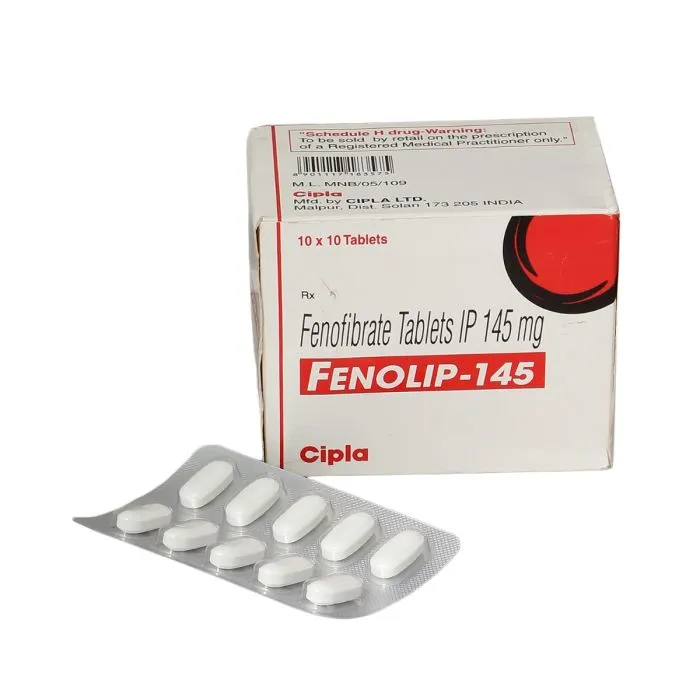
Fenolip 145mg (Fenofibrate)
Previous product

Rabicip 10mg (Rabeprazole)
A$28.08 A$49.13Price range: A$28.08 through A$49.13
Next product

Femilon (Ethinyl Estradiol/Desogestrel)
A$15.44 A$56.15Price range: A$15.44 through A$56.15
A$25.27 A$60.36Price range: A$25.27 through A$60.36
In Stock
In Stock
Fenolip 145mg (Fenofibrate)
| Pack Size | Price | Quantity | Add To Cart | |
|---|---|---|---|---|
| 30 Tablet/s | A$25.27 | |||
| 60 Tablet/s | A$39.31 | |||
| 90 Tablet/s | A$60.36 | |||
| Want to order in bulk / B2B price? Send Inquiry | ||||
×
Sorry!! Out of Stock
Sorry! Fenolip 145mg (Fenofibrate) is out of stock
Please click below to view other similar medications.
View All Fenofibrate Products
Offer You Can't Resist
Free Shipping
Enjoy Free Shipping on Orders above AUD304 (USD199)
Estimate Delivery :
13 October - 20 October
49
Very professional experience
Very professional experience with clear communication and dependable delivery.
 Australia
September 29, 2026
Last Updated on March 08, 2026

Description
Controlling cholesterol and triglyceride levels is essential in maintaining the health of your heart and decreasing the chance of developing cardiovascular disease. The most common medication recommended for this purpose is Fenolip 145 mg and includes an active ingredient called Fenofibrate. In this blog, we will discuss the purpose of Fenolip, the way it works, the medicinal uses, and the security profile, and provide answers to the most frequently asked questions regarding this drug.
What is Fenolip 145 mg?
Fenolip is a trademark term for Fenofibrate, which is a drug that is primarily employed to treat abnormal cholesterol levels in the blood. The dose of 145 mg is the most common strength that’s available as a tablet.
Fenofibrate is a member of a group of medications referred to by the name of fibrates that are also known as lipid-modifying agents. They’re especially effective in decreasing triglycerides, and in lesser amounts as they increase high-density Lipoprotein (HDL also known as “good cholesterol”). Fenofibrate also helps decrease low-density lipid (LDL, also known as “bad cholesterol”); however, it is not as effective in this regard when compared with statins.
How Does Fenolip Work?
Fenofibrate works by activating a receptor in the body called peroxisome proliferator-activated receptor alpha (PPARα). It is believed that activation of PPARa alters the metabolic processes of lipids in various ways:
- Increases breakdown of triglycerides: Fenofibrate boosts the process of oxidizing fatty acids within the liver, which reduces the levels of triglycerides.
- Raises HDL cholesterol: It helps to increase the production of apolipoproteins. They assist in increasing HDL.
- Lowers LDL cholesterol: To improve the removal of LDL particles from the bloodstream.
The combination enhances the overall lipid profile and can reduce the chance of atherosclerosis. It is a disease that is characterized by the accumulation of plaques inside arteries, which could cause strokes or heart attacks.
What is Fenolip Used For?
Fenolip 145 mg is a medication prescribed for the following conditions:
- Hypertriglyceridemia: Triglycerides are high in levels, which can increase the risk for pancreatitis as well as cardiovascular diseases.
- Mixed dyslipidemia: If both triglycerides and cholesterol are elevated, the cholesterol levels and triglycerides are.
- Cardiovascular risk reduction: In particular, patients suffering from metabolic syndrome or diabetes, with a tendency to have an abnormally high lipid profile.
Fenofibrate is typically prescribed in conjunction with modifications to your lifestyle, including diet changes, as well as exercise and weight control, to maximise its effects.
Benefits of Fenolip
- Effective Triglyceride Reduction: Fenofibrate is able to lower triglyceride levels by 20-50%. This can reduce the chance of developing pancreatitis as well as heart attacks.
- Improvement in HDL: This helps to increase “good cholesterol,” which protects you from heart disease.
- Complementary to Statins: Fenofibrate is a good choice as a statin in conjunction with it when LDL reduction is not enough or if triglycerides are still high.
- Potential Kidney Benefits: A few studies suggest that fenofibrate can help slow the progression of kidney disease in people with type 2 diabetes. But further research is required.
How to Take Fenolip
- Dosage: In general, take 1 tablet containing 145 mg is taken each day, along with food.
- Duration: The duration of treatment is based on each patient’s response as well as the recommendations of your doctor.
- Monitoring: The regular testing of blood is essential for monitoring liver function, lipid levels, and kidney function in the treatment.
Side Effects of Fenolip
A majority of people take Fenolip quite well. However, some may suffer from negative side effects, like:
- Gastrointestinal issues: Nausea, abdominal pain, diarrhea.
- Muscle pain or weakness: Sometimes, fibrates result in muscle-related adverse effects in particularly when used with statins.
- Liver enzyme elevation: Tests for liver function may reveal moderate elevations. However, the severity of liver damage is uncommon.
- Kidney function changes: Occasionally, creatinine levels may increase.
- Allergic reactions: Sometimes, the levels of creatinine rise.
If you are experiencing unidentified muscle tenderness, pain, or weakness, it’s crucial to notify your doctor promptly.
Precautions and Contraindications
- Liver or kidney disease: Fenofibrate is a medication to be taken with caution or avoided in cases of severe kidney or liver impairment.
- Gallbladder disease: Fibrates may increase the amount of cholesterol that is excreted in the bile, which could lead to the development of gallstones.
- Pregnancy and breastfeeding: The efficacy of fenofibrate during the lactation and pregnancy stages isn’t yet established, which is why it’s typically not recommended.
- Drug interactions: Fenofibrate is a blood thinner (warfarin) as well as statins and other lipid-lowering drugs.
FAQ: Fenolip 145 mg (Fenofibrate)
Q1: Can Fenolip be taken with other cholesterol medications?
A: Yes, it is mixed with statins in some instances, but only with careful medical supervision because of the potential for muscle-related negative side effects.
Q2: How long does it take for Fenolip to work?
A: The levels of lipids typically start to increase within two to four weeks after starting treatment; however, the most effective results are typically evident after 6 to 8 weeks.
Q3: Can I drink alcohol while taking Fenolip?
A: Limit your alcohol intake as it may boost triglyceride levels and add stress on your liver.
Q4: What should I do if I miss a dose?
A: Use it as soon as you can remember, unless it’s near your next dose. Don’t double your dose to catch up.
Q5: Is Fenolip safe for people with diabetes?
A: Yes, Fenofibrate can indeed be used for diabetics for helping to help manage high levels of cholesterol and decrease the risk of cardiovascular disease.
Q6: Are there dietary restrictions while on Fenolip?
A: A diet that is low in saturated cholesterol and fats is advised to enhance the effects of this drug.
Q7: Can Fenolip cause muscle pain?
A: Muscle pain could be a negative side effect, especially when statins are used in conjunction. If you notice any weakness in your muscles or discomfort, to your physician promptly.
Q8: Do I need to monitor liver or kidney function?
A: Yes, Your healthcare professional is likely to order regular tests of blood to check for the kidney’s function and liver enzymes while you are receiving the course of treatment.
Q9: Can Fenolip be used in children?
A: Fenofibrate should not be used for use in children. Treatment decisions depend on particular circumstances and should be assisted by a medical professional.
Q10: What should I tell my doctor before starting Fenolip?
A: Contact your physician if you are suffering from kidney or liver issues or gallbladder diseases, nursing, or taking other medicines.
Conclusion
Fenolip 145 mg (Fenofibrate) is a powerful medicine for managing excessive triglycerides, as well as mixed cholesterol disorders. If combined with changes in lifestyle, the medication can dramatically enhance lipid profiles as well as reduce the risk of cardiovascular disease. As with all medicines, they require careful handling under the supervision of a medical professional for safety and efficacy.
Related products





Recently Viewed


Reviews
There are no reviews yet.