

Famocid 40mg (Famotidine)
Previous product
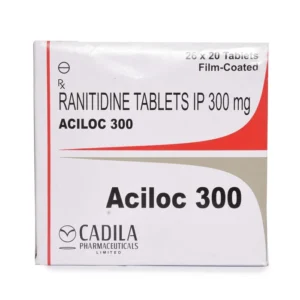
Aciloc 300mg (Ranitidine)
$8.00 $20.00Price range: $8.00 through $20.00
Next product

Ajanta ED Trial Pack
$130.00 $360.00Price range: $130.00 through $360.00
$1.20 $3.45Price range: $1.20 through $3.45
In Stock
In Stock
Famocid 40mg (Famotidine)
| Pack Size | Price | Quantity | Add To Cart | |
|---|---|---|---|---|
| 28 Tablet/s | $1.20 | |||
| 56 Tablet/s | $2.34 | |||
| 84 Tablet/s | $3.45 | |||
| Want to order in bulk / B2B price? Send Inquiry | ||||
×
Sorry!! Out of Stock
Sorry! Famocid 40mg (Famotidine) is out of stock
Please click below to view other similar medications.
View All Famotidine Products
Offer You Can't Resist
Free Shipping
Enjoy Free Shipping on Orders above AUD304 (USD199)
Estimate Shipping :
07 June - 14 June
28
Last Updated on February 14, 2026

Description
Introduction
Famocid 40mg, which contains its active component Famotidine, is a well-known medicine that falls within the class of H2 receptor antagonists. The primary reason for its use is to lower the production of stomach acid and to treat diverse gastrointestinal issues that result from excessive acid. It doesn’t matter if you suffer from ulcers, acid reflux, or Zollinger-Ellison syndrome. Famocid is a great option to provide quick relief.
This article gives a comprehensive description of Famocid 40mg, including how it works, typical usages, dosage guidelines, the possibility of adverse reactions, safety precautions, as well as answers to commonly sought-after questions.
What is Famocid 40mg (Famotidine)?
Famocid is a famotidine H2 receptor blocker, which decreases the amount of acid that is produced within the stomach. Through blocking the H2 receptors of histamine within the stomach’s cell lining, famotidine reduces acid release, which can help treat ulcers and lessen the symptoms associated with acid-related diseases.
The product is sold in tablets of 40 mg, which are typically consumed by mouth.
Uses of Famocid 40mg
The medicine Famocid 40mg is often used to treat:
- Gastroesophageal Reflux Disease (GERD): In order to relieve the discomfort caused by heartburn, such as acid reflux and irritation of the esophageal lining, this is caused by acid.
- Peptic Ulcers: It helps heal and avoid the recurrence of stomach or duodenal ulcers by decreasing acid.
- Zollinger-Ellison Syndrome: A rare condition that can cause an excessive production of stomach acid.
- Erosive Esophagitis: Reduces inflammation and damage to the esophagus caused by stomach acid.
- Prevention of Gastric Ulcers: In particular, in patients who take NSAIDs or who are at risk for developing trauma ulcers.
- Treatment of Conditions Caused by Excess Stomach Acid: Including gastritis.
How Does Famocid 40mg Work?
Famotidine specifically blocks the H2 receptors for histamine that reside within the parietal cells of the lining of the stomach. In normal circumstances, histamine binds to the receptors in these cells and causes acid production. Blocking the binding of these receptors reduces the production of hydrochloric acid within the stomach.
Lowering stomach acid helps to lessen irritation, as well as allowing the damaged or ulcerated tissues to repair. This also helps prevent acid reflux to the esophagus, which reduces signs including heartburn, discomfort, and indigestion.
Dosage and How to Take Famocid 40mg
- It is typically taken one time every two days, or more often, depending on the health condition.
- Do it by mouth, either with or without food.
- Take the tablet as a whole and swallow it by drinking some water.
- In the case of GERD (or ulcers), the treatment time may vary from a few weeks to several months, based on the recommendations of your doctor.
- Don’t exceed the recommended dosage or stop your medication immediately without consulting your health physician.
- If you do not take your dose, you should take it whenever you remember, except if it’s near your next dose. Never double the dosage.
Side Effects of Famocid 40mg
Famotidine can generally be tolerated. Common side effects are:
- Headache
- Dizziness
- Constipation or diarrhea
- Fatigue
- Dry mouth
Some rare but severe negative side effects could be a result of:
- Allergic reactions (rash, itching, swelling, severe dizziness)
- Confusion or hallucinations (mostly in elderly or patients with kidney problems)
- Irregular heartbeat
If you notice serious side effects or you notice signs that indicate an allergy, get medical attention immediately.
Precautions and Warnings
- Let your doctor know if you suffer from liver or kidney disease before starting Famocid.
- You should discuss any other medications that you’re taking in order to prevent interactions with other medications.
- Breastfeeding or pregnant women must utilize Famocid only when clearly required and if prescribed by a medical specialist.
- Famocid can mask the symptoms of cancer in the stomach; nausea or stomach discomfort that persists must be analyzed.
- Do not self-medicate or use Famocid for long periods without medical surveillance.
- Inform your doctor if you develop symptoms like severe abdominal pain, black stools, or persistent vomiting.
Drug Interactions
It is possible that Famotidine can interfere with other drugs, for example:
- Antifungal drugs (ketoconazole, itraconazole) — the reduction of stomach acid can influence the absorption.
- Certain HIV medications (atazanavir, rilpivirine) — need an acidic atmosphere.
- Warfarin — can affect blood thinning.
- Other substances are metabolized by the liver.
Make sure you disclose all your complete medications to your physician.
Frequently Asked Questions (FAQs)
Q1: Can I take Famocid 40mg with food?
A: Yes, Absolutely, Famocid is a medicine that can be used in combination with or with food.
Q2: How quickly does Famocid start working?
A: Most people notice relief within an hour. Complete healing for ulcers could require weeks.
Q3: Can Famocid be used for indigestion?
A: The main use of Famocid is for acid-related disorders; antacids can typically be recommended for mild constipation.
Q4: Is Famocid safe for long-term use?
A: In the long run, it is recommended to use under the supervision of a physician to watch the effects of side effects and efficacy.
Q5: Can I drink alcohol while taking Famocid?
A: The consumption of alcohol can cause stomach acid and irritation. You should avoid or limit your consumption of alcohol.
Q6: What should I do if I miss a dose?
A: You should take the missed dose as soon as possible or until the date for the next dose. Take care not to double the dosage.
Q7: Does Famocid cause weight gain?
A: Weight gain isn’t the most common side effect of Famotidine.
Conclusion
Famocid 40mg (Famotidine) is an effective medication for managing excess stomach acid and related conditions such as GERD, peptic ulcers, and Zollinger-Ellison syndrome. By blocking acid production, it relieves symptoms like heartburn and promotes healing.
Always take Famocid as directed by your healthcare provider, adhere to precautions, and report any unusual side effects promptly. When combined with lifestyle changes such as diet modification and avoiding triggers, Famocid can significantly improve your digestive health and quality of life.
Related products




Recently Viewed


Reviews
There are no reviews yet.