
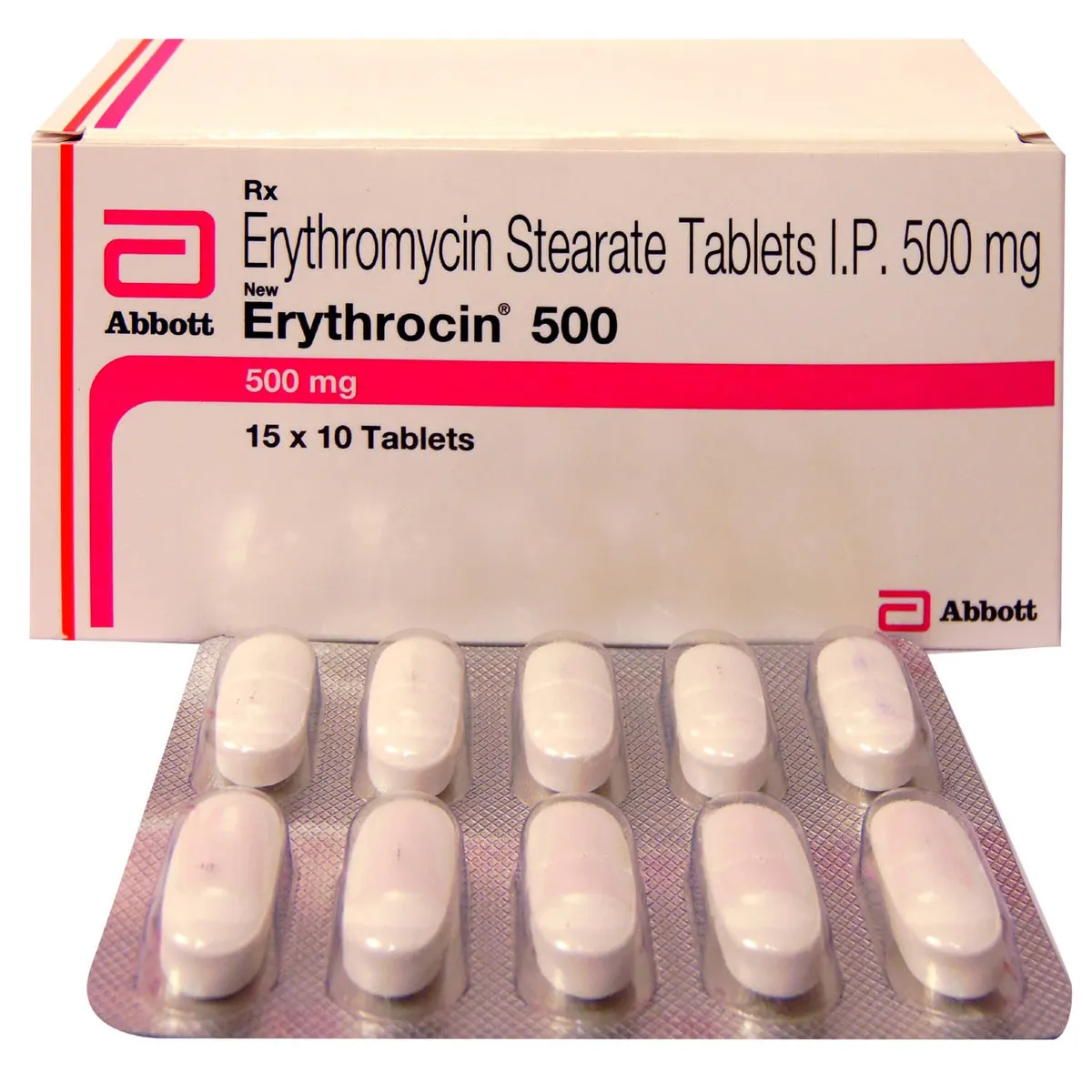
Erythrocin 500mg (Erythromycin)
Previous product
Levoflox 750mg (Levofloxacin)
$26.00 $70.60Price range: $26.00 through $70.60
Next product

Farobact 200mg (Faropenem)
$110.00 $280.00Price range: $110.00 through $280.00
$15.00 $39.00Price range: $15.00 through $39.00
In Stock
In Stock
Erythrocin 500mg (Erythromycin)
| Pack Size | Price | Quantity | Add To Cart | |
|---|---|---|---|---|
| 30 Tablet/s | $15.00 | |||
| 60 Tablet/s | $28.00 | |||
| 90 Tablet/s | $39.00 | |||
| Want to order in bulk / B2B price? Send Inquiry | ||||
×
Sorry!! Out of Stock
Sorry! Erythrocin 500mg (Erythromycin) is out of stock
Please click below to view other similar medications.
View All Erythromycin Products


Offer You Can't Resist
Free Shipping
Enjoy Free Shipping on Orders above AUD304 (USD199)
Estimate Shipping :
13 July - 20 July
38
Last Updated on December 06, 2025

Description
Introduction
They have transformed medicine by aiding in the treatment of bacteria-related infections that were once dangerous. Of the numerous antibiotics that are available, Erythromycin, advertised as Erythrocin 500mg, is a standout as an incredibly versatile and extensively employed macrolide antibiotic. Erythromycin is often prescribed to treat all kinds of infections that can be caused by resistant bacteria, and is particularly effective for people with penicillin allergies.
This post delves into Erythrocin 500mg, explaining its nature it what it is, how it works, commonly used dose guidelines, possible side consequences, safety precautions, and commonly sought-after questions.
What is Erythrocin 500mg?
Erythrocin 500mg is a source of Erythromycin, which is a macrolide antibiotic. It blocks the synthesis of proteins by bacterial cells through adhering to the 50S subunit of the ribosome of bacteria that are susceptible, hindering the growth and proliferation of bacteria. Erythromycin is bacteriostatic in smaller doses and bactericidal in greater dosages.
The antibiotic works against a wide range of Gram-positive bacteria. It also works against certain Gram-negative bacteria, as well as uncommon organisms such as Mycoplasma as well as Legionella.
How Does Erythromycin Work?
Erythromycin works by:
- The binding of a 50S subunit of the ribosomes of bacteria.
- Blocking the translocation process in the synthesis of proteins.
- Stopping bacterial growth and replication.
- Inducing the immune system to rid the body of infection.
The action blocks the creation of proteins that bacteria require to live and grow, which leads to the elimination of infections.
Uses of Erythrocin 500mg
Erythromycin is used to treat various bacterial infections, which include, but aren’t restricted to:
- Respiratory tract infections: pneumonia, bronchitis, pertussis (whooping cough), and sinusitis.
- Skin infections: acne, impetigo, cellulitis.
- Ear infections: otitis media.
- Eye infections: conjunctivitis.
- Gastrointestinal infections: infections caused by Helicobacter pylori (in combination therapies).
- Sexually transmitted infections: chlamydia, syphilis.
- Prophylaxis: for patients allergic to penicillin in bacterial endocarditis prevention.
The drug is also prescribed to people who are sensitive to beta-lactams or in cases where penicillin or any other antibiotic is not available.
Dosage and Administration
Standard Dosage for Adults:
- 500 mg Erythrocin tablets to be consumed every 6-12 hours in accordance with the severity of the illness.
- In most cases, 500 mg twice a day (every 12 hours) is common.
- For severe illnesses, the dosage may be increased up to 4 grams daily, broken into various dosages.
Pediatric Dosage:
- Dosing is typically based on weight and is typically prescribed by a pediatric neurologist.
- Typically, 30-50 mg/kg/day divided into 3-4 doses.
Administration Guidelines:
- Erythrocin tablets are best taken in conjunction with a drink of fluid.
- To ease stomach discomfort, take it with a meal or at the end of meals.
- Follow the entire course as prescribed, regardless of whether symptoms start to improve.
- Tablets shouldn’t be chewed or crushed unless advised by a physician.
Side Effects of Erythrocin 500mg
Similar to all drugs, Erythrocin can cause side effects. The majority of them are minor and temporary.
Common Side Effects:
- Nausea, vomiting, abdominal pain
- Diarrhea or loose stools
- Loss of appetite
- Mild skin rash
- Headache
Less Common but Serious Side Effects:
- Severe allergic reactions (anaphylaxis, swelling, rash, difficulty breathing)
- Hearing loss (rare, usually reversible after stopping)
- Liver toxicity (jaundice, elevated liver enzymes)
- Clostridium difficile-associated diarrhea (severe colitis)
- QT prolongation leading to irregular heart rhythms (rare)
If you are experiencing extreme side effects, such as asthma, rashes, and yellowing eyelids, constant diarrhea, see a doctor promptly.
Precautions and Warnings
- Consult your physician if you are suffering from liver diseases, heart rhythm issues, or myasthenia gravis.
- Take care when being treated with medications that can prolong the QT period (such as certain antiarrhythmics and psychotropics).
- Erythromycin could interact with other drugs, such as statins, warfarin, and calcium channel blockers.
- Breastfeeding and pregnant women must utilize Erythromycin only as directed by a healthcare professional.
- Do not drink alcohol while taking medication, as it could aggravate the adverse consequences.
Drug Interactions
Erythromycin is believed to affect the metabolism of various medications by hindering the cytochrome P450 enzyme, specifically CYP3A4. It can also increase the blood levels of different drugs, which could lead to the development of toxicity.
The most important interactions are:
- Statins (e.g., simvastatin) — increased risk of muscle damage.
- Warfarin — increased risk of bleeding.
- Theophylline and Carbamazepine — altered drug levels.
- Benzodiazepines and Calcium Channel Blockers — increased sedation or hypotension.
- Digoxin — increased digoxin levels.
Be sure to inform your physician of the medications and supplements that you take.
Duration of Treatment
- The length of therapy is contingent on the severity and type of the disease.
- Mild illnesses may need between 5 and 7 days; however, more serious or complex infections could require between 10 and 14 days.
- Follow your physician’s advice completely to stay clear of the development of resistance to antibiotics or the possibility of relapse.
Storage Instructions
- Keep Erythrocin tablets in a cool, dry place, away from heat and humidity.
- Make sure that the area is safe for young children.
- Don’t use any expired medications.
Frequently Asked Questions (FAQs) About Erythrocin 500mg
-
Can I take Erythrocin on an empty stomach?
Erythromycin could cause stomach discomfort; therefore, it’s advised to consume it along with meals or at the end of meals to prevent stomach discomfort and nausea.
-
Is Erythromycin effective against viral infections?
No, it’s not true. Erythromycin is an antibiotic that works solely against bacteria. It isn’t effective against viruses, such as the common cold or flu.
-
What should I do if I miss a dose?
You should take the missed dose immediately when you recall. If you are just before the scheduled time for the next dose, do not take the dose you missed and then resume the routine. Don’t double your dose.
-
Can Erythromycin cause antibiotic resistance?
Yes, incorrect use, such as skipping doses or not completing the whole course, could cause bacteria to become resistant to Erythromycin and make the treatment of future infections more difficult.
-
Are there any alternatives if I am allergic to Erythromycin?
Yes, There are other antibiotics available, like azithromycin or clarithromycin (also macrolides), or other classes, such as tetracyclines could be recommended depending on the severity of your condition and your allergy type.
-
Can I drink alcohol while taking Erythrocin?
The best thing to do is to avoid drinking alcohol when taking Erythromycin to minimize the chance of irritation to the stomach and the strain on the liver.
-
Is Erythromycin safe during pregnancy?
Erythromycin is typically considered safe for pregnant women; however, it should only be used on medical advice. Make sure to consult with your physician before taking any medications during pregnancy.
-
How soon will I feel better after starting Erythromycin?
Improvement in symptoms typically is seen within 48-72 hours. However, you must finish the whole course, regardless of whether you are feeling better sooner.
Conclusion
Erythrocin 500mg (Erythromycin) remains a popular antibiotic that is effective against a wide range of bacterial diseases. Its demonstrated efficacy as well as a safe profile make it a crucial drug, particularly for patients who are sensitive to penicillin. Like any antibiotic, it needs careful use, compliance with dosage guidelines, and a keen awareness of potential side reactions and interactions with drugs.
Additional Information
| Manufacturer | Abbott India Pvt Ltd |
|---|---|
| Pharmaceutical | Tablet/s |
| Strength | 500mg |
| Pack Size | 30 Tablet/s , 60 Tablet/s , 90 Tablet/s |
Related products





Reviews
There are no reviews yet.