

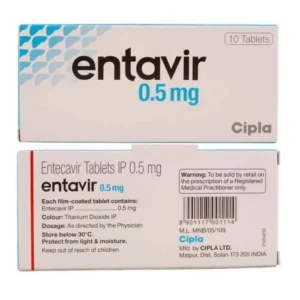
Entavir 0.5mg (Entecavir)
Previous product
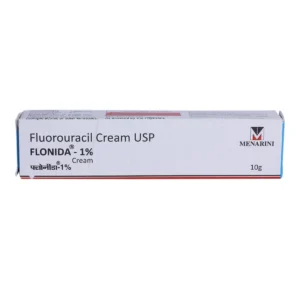
Flonida Cream 1% (Fluorouracil)
A$25.99 A$77.98Price range: A$25.99 through A$77.98
Next product
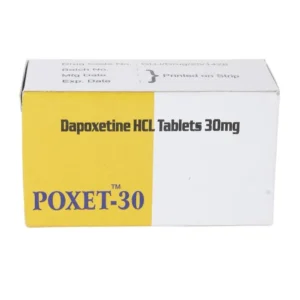
Poxet 30mg (Dapoxetine)
A$75.09 A$147.29Price range: A$75.09 through A$147.29
A$144.40 A$404.32Price range: A$144.40 through A$404.32
In Stock
In Stock
Entavir 0.5mg (Entecavir)
| Pack Size | Price | Quantity | Add To Cart | |
|---|---|---|---|---|
| 30 Tablet/s | A$144.40 | |||
| 60 Tablet/s | A$287.36 | |||
| 90 Tablet/s | A$404.32 | |||
| Want to order in bulk / B2B price? Send Inquiry | ||||
×
Sorry!! Out of Stock
Sorry! Entavir 0.5mg (Entecavir) is out of stock
Please click below to view other similar medications.
View All Entecavir Products
Offer You Can't Resist
Free Shipping
Enjoy Free Shipping on Orders above AUD304 (USD199)
Estimate Shipping :
27 August - 03 September
33
Secure Packaging
My order was packaged carefully and arrived in good condition. The whole process was handled professionally, and communication was excellent. Thank you for the great service
 Australia
August 18, 2026
Last Updated on December 05, 2025

Description
Chronic hepatitis B can be an ongoing infection that can affect the liver. If not treated, it may result in serious complications, including liver cirrhosis and cancer of the liver. In recent years, the use of antiviral drugs has become essential in the management of the symptoms of hepatitis B. The most efficient treatment options for this problem include Entavir 0.5 mg is a drug that has an active component called the drug called Entecavir.
This article provides a comprehensive review of Entavir 0.5 mg, including its benefits, dosage guidelines, potential side effects, safety measures, and answers to frequently asked questions.
What is Entavir 0.5 mg?
Entavir 0.5 mg is an oral antiviral medication used primarily to treat chronic hepatitis B virus (HBV) infection in children and adults over 2 years old who exhibit signs of active viral replication and liver damage. It’s part of a class of medicines that are known as the nucleoside reverse transcription inhibitors (NRTIs).
Its active component, The active component, Entecavir, can stop the Hepatitis B virus from spreading throughout the body. This assists in decreasing the level of virus that is present in the blood. It also helps reduce damage to the liver.
How Entavir 0.5 mg Works
Entecavir hinders the process through which the hepatitis B virus replicates itself. This is accomplished by stopping the reverse transcriptase enzyme that is essential to allow viral replication. Inhibiting this enzyme, Entecavir can reduce the amount of virus in the body. This helps to:
- Lower levels of HBV DNA in the bloodstream
- Reduce liver inflammation and damage
- Improve liver function
- Slow down or prevent progression to liver cirrhosis or liver cancer
It’s crucial to know that Entavir isn’t an effective treatment for Hepatitis B. However, it does help treat the disease and may dramatically improve the longevity and quality of life.
Who Should Take Entavir 0.5 mg?
The drug Entavir 0.5 mg is often used to treat:
- Adults as well as children (2 years old and over) with chronic hepatitis B
- Patients suffering from active viral replication (HBV DNA is detectable)
- Patients who have evidence of inflammation in the liver or high levels of liver enzymes (ALT/AST)
- Patients who haven’t received antiviral treatment to treat hepatitis B
In patients who’ve become resistant to HBV medications such as Lamivudine or Entecavir, a greater dosage (e.g., 1 mg dose of the drug Entecavir) could be suggested instead of a 0.5 mg dosage.
Always adhere to your doctor’s guidelines on dosage and the appropriateness of treatment.
Dosage and Administration
Standard adult dose:
- 0.5 mg each day to be taken on an empty stomach (at a minimum 2 hours prior to or following eating).
For Lamivudine-resistant patients:
- 1 mg once daily, under medical supervision.
Pediatric dose (age 2 to 16):
- Based on weight and the prescription of the pediatrician.
The tablets of Entavir must be swallowed by mouth together with water. Regularity in the timing of intake helps keep steady levels of the drug in the blood. It is therefore recommended to drink it in the same order every day.
Do not discontinue using Entavir without a doctor’s recommendation. Stopping treatment suddenly can trigger an increase in the hepatitis B symptoms that could potentially be fatal in certain instances.
Common Side Effects
Like other medications, such as those for treating erectile dysfunction, Entavir 0.5mg can cause adverse effects for some individuals. Many people, however, take the medication well.
Common side effects:
- Headache
- Fatigue
- Dizziness
- Nausea
- Indigestion
- Sleep problems
Less common but serious side effects:
- Lactic acidosis (a rare but serious buildup of lactic acid in the blood)
- Liver enlargement (hepatomegaly)
- Severe liver problems in patients who stop treatment suddenly
Seek immediate medical attention if you experience:
- Muscle pain or weakness
- Unusual tiredness
- Trouble breathing
- Stomach pain
- Irregular heartbeat
Warnings and Precautions
Before beginning Entavir, you must inform your physician about all of your medical history. This includes:
- Kidney disease: Dosage may need adjustment.
- HIV infection: Utilizing Entecavir on its own in those suffering from HIV could result in resistance. HIV screening is suggested before beginning treatment.
- Pregnancy and breastfeeding: Entecavir is to be administered only when necessary. Talk about the risks and benefits with your physician.
Avoid sharing your medications with other patients, regardless of whether they share similar symptoms. Hepatitis B is a condition that requires individual treatment.
Drug Interactions
Entavir is a drug with a minimal risk of interaction with other drugs; however, it’s a good practice to tell your physician about all the medications and supplements that you’re using. It is particularly important to know:
- Beware of mixing other medications that cause nephrotoxicity (kidney-damaging) medications unless it is absolutely required.
- Tell your physician if you’re taking any other antivirals or immunosuppressants.
Storage Instructions
- Store Entavir 0.5mg at room temperature (20°C up to 25°C).
- Beware of extreme heat, humidity, or the direct light of the sun.
- Be sure to keep away from pets and children.
Long-Term Use and Monitoring
As hepatitis B is a chronic disease, the treatment for Entavir could last for a long time, and sometimes even all the time. Your physician will keep track of you’re:
- Liver function (ALT, AST)
- HBV DNA levels
- Kidney function
- Signs of drug resistance
Avoid missing appointment times, even if you are feeling well. The virus may persist within your body, even if you don’t have signs.
Frequently Asked Questions (FAQs)
Q1. Is Entavir 0.5 mg a cure for hepatitis B?
No. Entavir isn’t the cure; it is a medication. It fights the virus and decreases the chance of damage to the liver; however, the Hepatitis B virus can be present in your body.
Q2. Can I stop taking Entavir once I feel better?
No. The treatment being stopped can result in an unexpected return of the virus that could cause grave liver issues. Make sure to consult with your physician prior to taking any steps to make changes.
Q3. How long do I need to take Entavir?
The length of treatment varies depending on the severity of your illness and how you respond to the treatment. Certain patients receive the treatment for a long time, and others require ongoing treatment.
Q4. Is Entavir safe during pregnancy?
Entavir is recommended to be taken in pregnancy only when the advantages outweigh the risks. Inform your physician that you’re planning to get expecting.
Q5. Can Entavir 0.5 mg be used for HIV?
No. Entavir is ineffective against HIV on its own. Actually, taking the drug alone with other antiretrovirals for HIV positive patients can lead to resistance to drugs. HIV tests are essential prior to beginning treatment.
Q6. What should I do if I miss a dose?
You should take the dose missed immediately after you recall. If you’re nearing the time of the next dose, you can skip the dose you missed and make sure you don’t double your dose. You can return to your usual regimen.
Q7. Is alcohol safe while taking Entavir?
Although moderate alcohol may not affect Entavir but it is best to avoid it because alcohol may harm the liver.
Q8. Can Entavir cause resistance?
Yes, however, the risks are lower than earlier drugs for hepatitis B medication. Following the prescribed dosage substantially reduces danger.
Q9. How is Entavir different from other hepatitis B medications?
Entavir is a drug with a very high sensitivity and a very low resistance, particularly for people who have never received treatment. It’s usually better than other older medications, such as Lamivudine.
Q10. Is Entavir available in generic form?
Yes. Entecavir can be purchased in the form of a generic drug, which might be cheaper. Different brands are available depending on the country.
Final Thoughts
Entavir 0.5mg (Entecavir) is a potent antiviral drug that has changed the management of chronic liver disease B. When used properly and under frequent monitoring, it is able to aid in reducing viral burden and protect liver cells, and avoid long-term problems.
Additional Information
| Manufacturer | Cipla Inc. |
|---|---|
| Pharmaceutical | Tablet/s |
| Strength | 0.5 mg |
| Pack Size | 30 Tablet/s, 60 Tablet/s, 90 Tablet/s |
Related products

Recently Viewed
Reviews
There are no reviews yet.