

Enapril 10mg (Enalapril)
Previous product
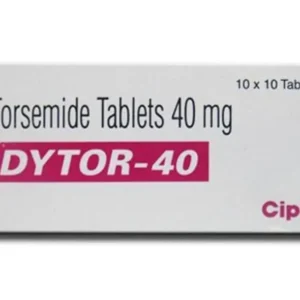
Dytor 40mg (Torasemide)
A$43.32 A$102.52Price range: A$43.32 through A$102.52
Next product

Dytor 5mg (Torasemide)
A$27.44 A$51.98Price range: A$27.44 through A$51.98
A$24.55 A$47.65Price range: A$24.55 through A$47.65
In Stock
In Stock
Enapril 10mg (Enalapril)
| Pack Size | Price | Quantity | Add To Cart | |
|---|---|---|---|---|
| 60 Tablet/s | A$24.55 | |||
| 90 Tablet/s | A$36.10 | |||
| 120 Tablet/s | A$47.65 | |||
| Want to order in bulk / B2B price? Send Inquiry | ||||
×
Sorry!! Out of Stock
Sorry! Enapril 10mg (Enalapril) is out of stock
Please click below to view other similar medications.
View All Enalapril Products
Offer You Can't Resist
Free Shipping
Enjoy Free Shipping on Orders above AUD304 (USD199)
Estimate Shipping :
09 September - 16 September
50
Secure Packaging
My order was packaged carefully and arrived in good condition. The whole process was handled professionally, and communication was excellent. Thank you for the great service
 Australia
August 18, 2026
Last Updated on December 05, 2025

Description
Enapril 10mg, which contains Enalapril it is an extensively prescribed drug that is used in the treatment of hypertension (hypertension) and heart failure. As part of the angiotensin-converting enzyme (ACE) inhibitors class, it plays a vital role in managing cardiovascular diseases and preventing associated complications such as stroke, heart attack, and kidney damage.
This article offers a thorough description of Enapril 10mg dosage medical benefits and how it functions, and the dosage it uses, as well as precautions for negative side effects, and so on, in order to assist patients and their families in making informed decisions.
What Is Enapril 10mg?
Enapril 10mg is an oral tablet that contains Enalapril Maleate, which is an ACE inhibitor. The most common indications for it are:
- Treat essential hypertension
- Manage congestive heart failure (CHF)
- Reduce the risk of cardiac events for patients suffering from left heart dysfunction
- Guard renal function in patients who are hypertensive and suffer from diabetes
Reducing blood pressure and alleviating strain on the heart significantly decreases the possibility of serious complications in the course of time.
How Enapril (Enalapril) Works
To understand how Enapril works, it helps to look at the role of the renin-angiotensin-aldosterone system (RAAS) in blood pressure regulation.
As a response to low sodium levels or blood pressure, the kidneys secrete an enzyme known as Renin that eventually causes the development of angiotensin II, which is a potent vasoconstrictor. Angiotensin II:
- Narrows blood vessels (raises blood pressure)
- Stimulates aldosterone release (increases salt and water retention)
Enapril blocks the enzyme the enzyme ACE that converts angiotensin I into angiotensin II. This results in:
- Blood vessels relax and widen
- Blood pressure decreases
- The heart pumps more efficiently
- Fluid overload is reduced in heart failure
Medical Uses of Enapril 10mg
-
Hypertension (High Blood Pressure)
It is typically an initial treatment for those suffering from moderate or mild hypertension. Reducing the resistance to vascularization in the system helps to maintain normal blood pressure and protects the brain, heart, arteries, and arteries.
-
Congestive Heart Failure
For patients suffering from heart failure, the heart is unable to pump blood effectively. Enapril decreases the burden on the heart, decreases the accumulation of fluid, and helps relieve symptoms like fatigue, breathing problems, and swelling.
-
Asymptomatic Left Ventricular Dysfunction
Enapril is effective even for patients who do not show signs of heart failure, but show indications of left heart dysfunction in echocardiograms and other tests to diagnose the problem, and helps in preventing the progression of heart failure.
-
Diabetic Kidney Disease (Nephropathy)
Enapril is a drug that provides protection for the kidneys, particularly for patients suffering from proteinuria and diabetes. In reducing the pressure of intraglomerular fluid and reducing the rate of progression of damage to the kidney.
Dosage and Administration
Typical Dosing for Enapril 10mg:
- Hypertension: The initial dose usually is 5 mg, once or twice a day, and can be raised by 10-40 mg a day depending on the reaction.
- Heart failure: The initial dose begins at 2.5 mg per day and is titrated until 20 mg or higher, usually in split doses.
- In the elderly or renal impairment: Lower doses may be necessary.
Enapril is generally used at least twice a day in combination with or without food. It is essential to consume the medicine in the same order throughout the morning to ensure consistent blood pressure monitoring.
Missed Dose:
As with all medicines, Enapril can cause adverse effects. The majority of them are minor and short-lived; however, some could be more serious.
Side Effects of Enapril 10mg
As with all medicines, Enapril can cause adverse reactions. Many are temporary and mild; however, some could cause serious problems.
Common Side Effects:
- Dry, persistent cough (seen in up to 20% of patients)
- Dizziness, especially on standing (orthostatic hypotension)
- Fatigue or weakness
- Headache
- Mild skin rash
Less Common or Serious Side Effects:
- Hyperkalemia (high potassium levels)
- Kidney function decline, especially in people with existing renal issues
- Angioedema (swelling of the face, lips, throat — rare but life-threatening)
- Low blood pressure, especially after the first dose
- Altered taste sensation
Get medical attention immediately for immediate medical attention if you feel swelling in the tongue or face, trouble breathing, or feeling faint.
Precautions and Warnings
-
Renal Function Monitoring
Enapril may alter kidney function, especially for patients suffering from:
- Pre-existing kidney disease
- Bilateral renal artery stenosis
- Volume depletion (e.g., due to diuretics)
Monitoring regularly for serum creatinine as well as electrolytes is essential.
-
Potassium Levels
ACE inhibitors may result in the condition known as hyperkalemia. Beware of taking potassium supplements and diuretics with potassium as a substitute unless you are doctor has prescribed it.
-
Cough
Dry, unproductive cough is a common side effect of ACE inhibitors. If it persists, switching to an angiotensin-receptor blocker (ARB) might be recommended.
-
Pregnancy
Enapril is not recommended during pregnancy, particularly in the second and third trimesters, because of the possibility of death or injury to the baby.
-
Breastfeeding
A small amount of the substance could be absorbed into breast milk. Use of this product must be evaluated against the potential dangers.
-
Liver Function
While rare, Enapril can cause liver dysfunction and cholestatic jaundice. Tests for liver function must be conducted in patients.
Drug Interactions
Enapril is possible that Enapril could interact with other medicines:
- Diuretics (e.g., furosemide): May cause excessive BP drop
- NSAIDs: It can reduce the effectiveness of antihypertensive drugs and may affect kidney function
- Potassium supplements or potassium-sparing diuretics: Risk of hyperkalemia
- Lithium: Increased risk of lithium toxicity
- Other antihypertensives or vasodilators: Additive blood pressure-lowering effect
Be sure to inform your doctor regarding all medicines, herbal supplements, and other over-the-counter supplements you are taking.
Lifestyle and Dietary Tips While on Enapril
- Limit your intake of salt, particularly in the case of hypertension or heart disease
- Beware of food items with high levels of potassium (like oranges, bananas, or spinach) unless otherwise advised.
- Keep hydrated, Be careful not to overdo fluids, particularly if you’re using diuretics
- Do not drink alcohol or consume it in moderate amounts since it could cause dizziness
- Get active regularly and control weight to achieve improved heart health
Storage Instructions
- Keep Enapril tablet at room temperature (15-30°C)
- Avoid contact with moisture as well as direct sunlight
- Be sure to keep it out of the Children’s reach
When to Contact a Doctor
Contact your physician immediately whenever you notice:
- Swelling of face, lips, or throat
- Severe dizziness or fainting
- Signs of infection (fever, sore throat) due to potential neutropenia
- Yellowing of skin or eyes (jaundice)
- Unusual decrease in urination
Frequently Asked Questions
Q: Can I stop taking Enapril once my BP is normal?
A: No. Blood pressure levels are an ongoing health condition. The abrupt stoppage of Enapril may result in high blood pressure rebound and other issues.
Q: Is Enapril safe for long-term use?
A: Yes, It is true that if it is monitored regularly, Enapril is secure and reliable for long-term control of heart failure.
Q: Can I take Enapril during pregnancy?
A: No. Enapril is unsuitable for pregnant women due to the danger to the foetus.
Q: Can I combine Enapril with other BP medications?
A: Yes, It is used in conjunction with diuretics, calcium channel blockers, or beta-blockers to help control the problem when under medical supervision.
Conclusion
Enapril 10mg (Enalapril) is a key element in the treatment of high blood pressure, heart failure, as well as kidney defense for high-risk patients. In addition to lowering blood pressure and improving the efficiency of cardiac function, this drug significantly lowers the chance of having life-threatening cardiovascular heart attacks.
Related products







Reviews
There are no reviews yet.