

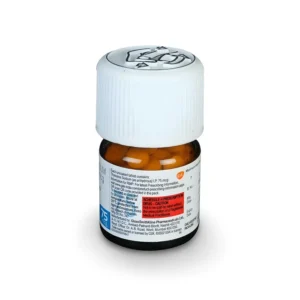
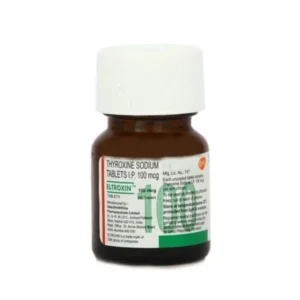
Eltroxin 50mcg (Thyroxine Sodium)
Previous product

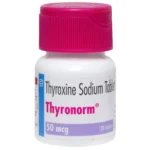
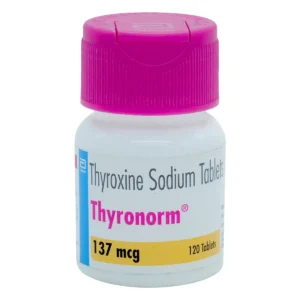
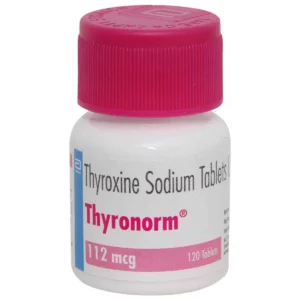
Thyronorm 12.5mcg (Thyroxine Sodium)
A$39.71 A$137.18Price range: A$39.71 through A$137.18
Next product

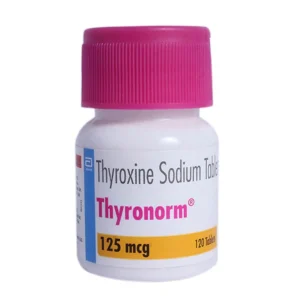
Thyronorm 75mcg (Thyroxine Sodium)
A$45.13 A$153.43Price range: A$45.13 through A$153.43
A$10.11 A$57.76Price range: A$10.11 through A$57.76
In Stock
In Stock
Eltroxin 50mcg (Thyroxine Sodium)
| Pack Size | Price | Quantity | Add To Cart | |
|---|---|---|---|---|
| 1 Bottle | A$10.11 | |||
| 3 Bottle/s | A$28.88 | |||
| 6 Bottle/s | A$57.76 | |||
| Want to order in bulk / B2B price? Send Inquiry | ||||
×
Sorry!! Out of Stock
Sorry! Eltroxin 50mcg (Thyroxine Sodium) is out of stock
Please click below to view other similar medications.
View All Thyroxine Sodium Products

Offer You Can't Resist
Free Shipping
Enjoy Free Shipping on Orders above AUD304 (USD199)
Estimate Shipping :
24 July - 31 July
31
Easy ordering process
Easy ordering process, competitive prices, and prompt shipping. Will definitely order again
 Australia
June 26, 2026
Last Updated on December 01, 2025

Description
The thyroid hormones affect almost all systems in the body. They influence metabolism, temperature regulation, and energy production. Hypothyroidism is the term used when the thyroid gland does not produce enough of these hormones.
Eltroxin 50mcg, containing Thyroxine Sodium (Levothyroxine), is an established and commonly prescribed synthetic thyroid replacement. This is a vital therapy for people with underactive thyroid functions and other conditions.
This blog will provide a comprehensive overview of Eltroxin, including its uses in clinical settings, recommended dosages, safety profiles, and other important information.
What is Eltroxin 50mcg?
Eltroxin is a trademark of Levothyroxine Sodium. This is a form of the natural thyroxine T4 produced by the thyroid. It’s used to replace the hormone in hypothyroidism and other thyroid disorders.
Eltroxin contains 50 micrograms of Levothyroxine Sodium in each tablet. Eltroxin is available in different strengths for individual needs. This 50mcg dosage is commonly used to start or maintain a thyroid deficiency, depending on severity and the patient’s profile.
What Does Eltroxin Do in the Body?
The prohormone, thyroxine (T4), is converted into triiodothyronine (the active hormone) in the peripheral tissues. Together T4 andT3 regulate:
- Metabolism of proteins, fats, and carbohydrates
- Body temperature
- Heart rate and cardiac output
- Brain development and cognitive function
- Menstrual cycle and fertility
- Energy levels and weight regulation
All these functions of the body are affected when thyroid hormone levels drop. Eltroxin helps restore this balance and stops the symptoms of hypothyroidism.
Who Needs Eltroxin 50mcg?
Eltroxin can be used to treat a variety of thyroid conditions, including:
-
Primary Hypothyroidism
The thyroid gland does not produce enough hormones. Some of the most common causes are:
- Hashimoto’s thyroiditis (autoimmune thyroiditis)
- Iodine deficiency
- Post-thyroidectomy (after surgical removal of thyroid)
- Radiation therapy to the neck or thyroid
- Congenital hypothyroidism
-
Secondary Hypothyroidism
Inadequate TSH stimulation due to hypothalamic or pituitary dysfunction.
-
Goiter and Nodule Suppression
By suppressing TSH, Eltroxin can shrink or stop the growth of goiters.
-
Thyroid Cancer
Patients are given high doses of levothyroxine after thyroidectomy to suppress TSH. TSH can cause cancer growth.
-
Infertility Related to Hypothyroidism
The replacement of thyroid hormones may restore normal menstrual and ovulation cycles.
Symptoms of Hypothyroidism (When Eltroxin May Be Prescribed)
- Persistent fatigue
- Weight gain without dietary cause
- Cold intolerance
- Dry skin
- Hair thinning or hair loss
- Depression or low mood
- Menstrual irregularities
- Constipation
- Slow heart rate
- Cognitive slowing (“brain fog”)
- Swelling of face, hands, and feet
A blood test to determine TSH or Free T4 can be the first step in diagnosing these symptoms.
How to Take Eltroxin 50mcg
Eltroxin is most effective when administered correctly.
General Instructions:
- Take on an empty stomach, preferably 30 to 60 minutes before breakfast.
- Swallow the tablet whole with a glass of water.
- Avoid food, tea, coffee, or milk immediately after taking the dose.
- Take the tablet every day at the same time.
Dosage Adjustments:
- The right dosage will be determined by your doctor based on the TSH level and free T4 level, age, weight, and any comorbidities.
- The TSH level is typically re-checked six to eight weeks following the start or change of treatment.
- The 50mcg dose can be used as an initial dose for younger patients or smaller individuals or a dose of maintenance in other cases.
Monitoring and Blood Tests
Eltroxin patients need regular monitoring to maintain the right hormone levels:
- TSH and Free T4 tests every 6–12 months once stable
- More frequent testing in pregnancy, dose changes, or if symptoms change
It is important to maintain TSH within the range of target values to avoid subdosing (persistent hyperthyroidism and excessive dosing (hyperthyroidism).
Side Effects of Eltroxin
Eltroxin can be well-tolerated when taken in the right dose. Excess doses may cause symptoms such as hyperthyroidism, such as:
- Palpitations or rapid heartbeat
- Nervousness or anxiety
- Weight loss despite normal appetite
- Insomnia
- Tremors
- Heat intolerance
- Menstrual irregularities
- Muscle weakness
Rare or Serious Effects:
- Osteoporosis with long-term overtreatment
- Heart arrhythmias, especially in elderly patients
- Adrenal insufficiency, if underlying and untreated
Consult your doctor if you have any strange symptoms and ask for a thyroid test.
Drug Interactions
Some medications or substances may interfere with absorption, while others change thyroid hormone levels:
May Decrease Absorption:
- Iron supplements
- Calcium carbonate
- Antacids (containing aluminum or magnesium)
- Cholestyramine
- Soy-based products
- High-fiber diets
Take these at least 4 hours apart from Eltroxin.
Other Interactions:
- Warfarin (increased bleeding risk)
- Insulin or anti-diabetics (adjustments may be needed)
- Antidepressants, antiepileptics, and some cardiac drugs
Inform your doctor about any medications or supplements that you are taking.
Use in Special Populations
Pregnancy and Breastfeeding:
- It is essential and safe to use Eltroxin during pregnancy.
- The dose is usually increased during pregnancy because of the increased hormonal demand.
- Continue treatment while breastfeeding — small amounts in breast milk are not harmful.
Elderly:
- Due to cardiac sensitivity, start with lower doses.
- Watch for arrhythmia and angina.
What to Avoid While on Eltroxin
- Do not take with food or skip doses
- Abrupt discontinuation
- Mixing up strengths (50mcg vs 100mcg)
- Utilizing old prescriptions and not having any recent blood tests
- High-fiber or excessive soy diet right after taking the medicine
Storage Instructions
- Storage at or below 25 degrees Celsius and in an area that is dry area.
- Stay away from excessive sunlight or moisture.
- Be sure to keep away from young children.
Frequently Asked Questions
Q: How long does it take for Eltroxin to work?
A: It can require up to 1-3 weeks for the symptoms to get better. Benefits will be evident within six to eight weeks of regular treatment.
Q: Is it okay to stop Eltroxin if I feel better?
A: No. The condition is typically considered to be a chronic condition that lasts for a lifetime. The stopping of Eltroxin may trigger symptoms that return, and can cause problems.
Q: Can Eltroxin help with weight loss?
A: No. Eltroxin’s not a diet pill. It is not a weight-loss drug; if you do not have the presence of thyroid hormone deficiencies could be risky.
Conclusion
Eltroxin 50mcg (Thyroxine sodium) is a vital hormone replacement therapy that helps to restore regular metabolic functions in patients who suffer from hypothyroidism. It’s the permanent treatment option for the majority of people, but with correct dosage and monitoring, it is safe and efficiently to reduce problems and symptoms.
Take Eltroxin precisely as directed, with a full stomach. Follow up with your doctor regularly for optimal thyroid functioning. When treated properly, the patients will enjoy regular energy levels, metabolic rate, and overall quality of their lives.
Related products




Recently Viewed

Reviews
There are no reviews yet.