
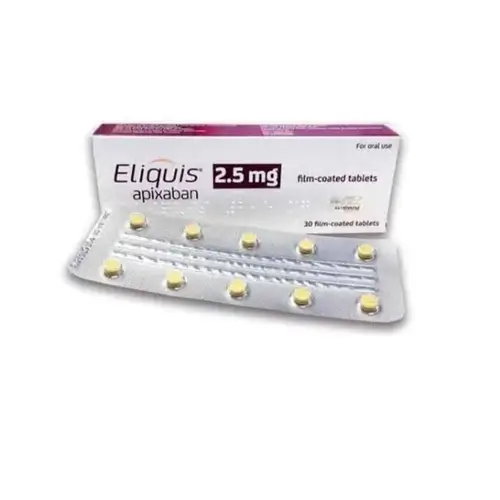
Eliquis 2.5mg (Apixaban)
Previous product
Imdur 30mg (Isosorbide Mononitrate)
A$25.27 A$46.33Price range: A$25.27 through A$46.33
Next product
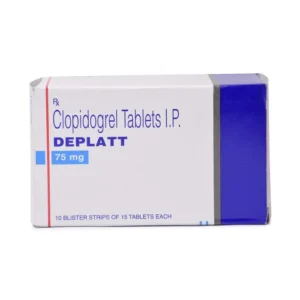
Deplatt 150mg (Clopidogrel)
A$27.37 A$63.17Price range: A$27.37 through A$63.17
A$158.63 A$369.20Price range: A$158.63 through A$369.20
In Stock
In Stock
Eliquis 2.5mg (Apixaban)
| Pack Size | Price | Quantity | Add To Cart | |
|---|---|---|---|---|
| 30 Tablet/s | A$158.63 | |||
| 60 Tablet/s | A$254.09 | |||
| 90 Tablet/s | A$369.20 | |||
| Want to order in bulk / B2B price? Send Inquiry | ||||
×
Sorry!! Out of Stock
Sorry! Eliquis 2.5mg (Apixaban) is out of stock
Please click below to view other similar medications.
View All Apixaban Products

Offer You Can't Resist
Free Shipping
Enjoy Free Shipping on Orders above AUD304 (USD199)
Estimate Delivery :
25 October - 01 November
35
Very professional experience
Very professional experience with clear communication and dependable delivery.
 Australia
September 29, 2026
Last Updated on December 01, 2025

Description
The risk of blood clots is high when they are in the wrong location at the wrong moment, resulting in strokes, heart attacks, and deep vein thrombosis. The good news is that medical technology has made progress to offer superior, more secure alternatives to the traditional blood thinners. A notable breakthrough can be found in Eliquis 2.5mg, containing the active ingredient Apixaban.
This article will assist you in knowing the basics of what Eliquis is and how it functions and who is recommended to take it, the safety information, as well as practical advice for caregivers and patients.
What is Eliquis 2.5mg?
Eliquis 2.5mg is an oral anticoagulant medicine that contains Apixaban, which is a Direct oral Factor Xa inhibitor. It’s used for the purpose of helping reduce and treat the harmful effects of blood clots within various clinical settings.
- Generic name: Apixaban
- Brand name: Eliquis
- Strength: 2.5mg
- Drug class: Direct Factor Xa Inhibitor (DOAC – Direct Oral Anticoagulant)
- Manufacturer: Usually developed by Bristol-Myers Squibb and Pfizer
In contrast to older anticoagulants such as warfarin, Eliquis has a predictable dosage, fewer food/drug interactions, and there is no regular blood testing, which makes Eliquis the preferred option for a large number of patients.
What Does Eliquis 2.5mg Do?
Apixaban acts by stopping the production of Factor Xa, which is a major enzyme that plays a role in the coagulation process. This is the body’s method of forming blood clots in the event of need, such as in the aftermath of an injury. However, in some circumstances, the system can go off track, which can result in unsafe or unwelcome blood clots within blood vessels.
By blocking Factor Xa, Apixaban prevents:
- Formation of new clots
- Growth of existing clots
It can dissolve the clots. However, it does help your body avoid further problems as natural mechanisms break down the clot.
Primary Uses of Eliquis 2.5mg
Eliquis 2.5mg is often prescribed to treat:
-
Prevention of Stroke and Systemic Embolism
For patients suffering from Afib non-valvular (AFib)–an irregular heartbeat that can increase the risk of having a stroke.
-
Prevention of Deep Vein Thrombosis (DVT) and Pulmonary Embolism (PE)
Following a knee or hip replacement procedure, when clot-forming risks are high because of the inability to move.
-
Treatment of DVT and PE
Though initial treatment typically starts with 5mg twice daily, 2.5mg may be used later for maintenance or in elderly/renal-impaired patients.
-
Secondary Prevention
To avoid recurrences of venous thromboembolism (VTE) after initial treatment.
Note: The dosage and prescription must always be verified by a medical professional in accordance with the specific risks.
How to Take Eliquis 2.5mg
- Dosage: Most commonly 2.5mg every day for maintaining or stroke prevention.
- It can be consumed either with or without meals.
- Drink the entire thing with water.
- Use your medication at the same time each day to maximize security.
- Stopping without medical guidance may result in serious health issues.
Benefits of Eliquis Over Traditional Anticoagulants
As compared to the anticoagulants of the past, like Enoxaparin and warfarin, Eliquis has several benefits:
- No INR monitoring required
- Faster onset and offset of action
- Fewer dietary restrictions (no interaction with Vitamin K)
- Lower risk of major bleeding, particularly brain hemorrhage
- Convenient oral dosing (no injections)
These elements can improve the patient’s compliance and improve overall results.
Possible Side Effects of Eliquis
Although Eliquis is usually well tolerated, as with all anticoagulants, it can cause bleeding. The most frequent side effects are:
Common (less serious):
- Easy bruising
- Nosebleeds
- Gum bleeding
- Heavy or prolonged menstruation
- Minor cuts taking longer to stop bleeding
Serious (seek immediate help):
- Blood in urine or stool
- Coughing up blood
- Vomit that looks like coffee grounds
- Sudden severe headache or confusion (possible brain bleed)
- Sudden weakness or numbness
Rare cases may include allergic reactions, liver dysfunction, or skin rashes.
Precautions Before Taking Eliquis
Before you begin Eliquis 2.5mg, the physician will determine if there are benefits that outweigh the potential risk. It is important to inform your doctor if you:
- You have a history of bleeding disorders
- You have kidney or liver disease
- You are over 80 years old
- You’re underweight (less than 60kg)
- You’ve had a recent surgery
- You use other medications, especially blood thinners, NSAIDs, or SSRIs
Drug Interactions
Apixaban may interact with other medicines that can raise the risk of bleeding or alter its metabolism:
Caution with:
- NSAIDs (ibuprofen, naproxen)
- Antiplatelets (aspirin, clopidogrel)
- SSRIs/SNRIs (sertraline, fluoxetine)
- Antifungals (ketoconazole, itraconazole)
- HIV medications (ritonavir)
- Anticonvulsants (carbamazepine, phenytoin)
Make sure you provide your complete medicine list, including OTC medications as well as herb-based supplements (like St. John’s Wort), to your physician.
What to Do If You Miss a Dose
- You should take it as soon as you are able to remember.
- If it’s almost time for your next dose, take a break from the one you missed–do not overdose.
- It is vital to maintain consistency for efficiency as well as safety.
Who Should Avoid Eliquis?
Eliquis is not suitable for all. Do not use if:
- Have active bleeding
- Are on dialysis (severe kidney disease)
- Are allergic to Apixaban
- Are pregnant or breastfeeding (use only if clearly needed)
- Are taking an anticoagulant in addition to the one you are taking, except as directed, as a bridge treatment
Can You Stop Eliquis Suddenly?
No. Discontinuing Apixaban abruptly could result in fatal strokes and clots. If you must stop, then your physician may be able to bridge to another medication or modify the dosage of Apixaban.
How Long Do You Need to Take It?
Duration varies:
- After joint surgery: typically 10–35 days
- Atrial fibrillation: long-term or lifelong
- DVT/PE: Generally, it is at a minimum of 3-6 months. Then, an assessment
Tips for Patients Taking Eliquis
- Make use of a Medical alert bracelet or card to alert healthcare providers in the event of an emergency.
- Do not engage in those activities that have a high risk of chance of injury (contact sporting activities and physical labor that’s rough).
- Inform your dentist that you’re taking blood thinners prior to undergoing any dental procedure.
- Notice signs for Internal bleeding at an early stage.
- Make sure to keep your medication in its original containers in a cool, dry place kept at room temperature.
Storage and Handling
- Keep Eliquis at room temperature (15-30°C).
- Beware of the heat, moisture, and direct light.
- Stay out of the reach of pets and children.
Frequently Asked Questions (FAQs)
Q1. Is Eliquis a blood thinner?
Yes, it is true; Eliquis is a modern oral blood thinner that is direct-acting (anticoagulant).
Q2. Can I drink alcohol while on Eliquis?
Moderate consumption of alcohol is generally safe; however, heavy consumption increases the risk of bleeding. Always consult your doctor.
Q3. Can I take ibuprofen with Eliquis?
Do not take NSAIDs like naproxen or ibuprofen in the absence of a specific recommendation. They may dramatically increase the risk of bleeding.
Q4. Does Eliquis require regular blood tests like warfarin?
No, it’s actually one of the main advantages. The kidney and liver performance can be checked regularly.
Q5. Is it safe for elderly patients?
Yes, but dosage can be altered based on weight, age, and kidney function.
Conclusion
Eliquis 2.5mg (Apixaban) is an effective, safe, and easy anticoagulant. It provides solid protection from strokes as well as deep vein thrombosis and embolisms in the pulmonary tract. It’s changed the way we treat clot-related conditions, specifically those suffering from atrial fibrillation, as well as patients recovering from orthopedic surgery.
Through regular use, appropriate measures, and frequent check-ups, Eliquis allows patients to effectively manage their conditions without having to endure constant test results or restrictions on diet. Always seek advice from your doctor prior to taking or stopping an anticoagulant, and take a proactive approach to identifying any signs of bleeding.
Related products




Recently Viewed
Reviews
There are no reviews yet.