

Ecosprin 75mg (Aspirin)
Previous product
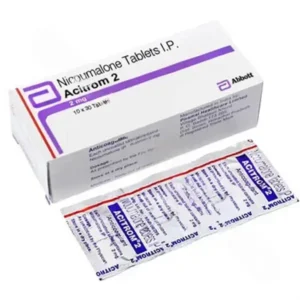
Acitrom 2mg (Nicoumalone)
$24.00 $42.00Price range: $24.00 through $42.00
Next product
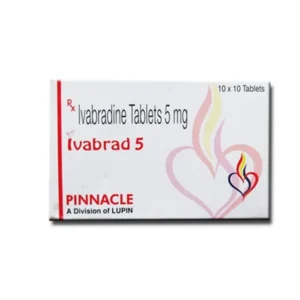
Ivabrad 5mg (Ivabradine)
$27.00 $63.00Price range: $27.00 through $63.00
$20.00 $60.00Price range: $20.00 through $60.00
In Stock
In Stock
Ecosprin 75mg (Aspirin)
| Pack Size | Price | Quantity | Add To Cart | |
|---|---|---|---|---|
| 140 Tablet/s | $20.00 | |||
| 280 Tablet/s | $35.00 | |||
| 560 Tablet/s | $60.00 | |||
| Want to order in bulk / B2B price? Send Inquiry | ||||
×
Sorry!! Out of Stock
Sorry! Ecosprin 75mg (Aspirin) is out of stock
Please click below to view other similar medications.
View All Aspirin Products

Offer You Can't Resist
Free Shipping
Enjoy Free Shipping on Orders above AUD304 (USD199)
Estimate Shipping :
07 June - 14 June
45
Last Updated on December 01, 2025

Description
Introduction
Ecosprin 75 mg is a source of aspirin, which is a widely used medicine due to its anti-inflammatory, pain-reducing, and blood-thinning effects. With a dosage of 75 mg, Ecosprin will mainly be utilized to reduce the risk of blood clots, which reduces the likelihood of strokes, heart attacks, and various other issues with cardiovascular health. This article gives a brief review of Ecosprin 75 mg, which includes its benefits and how it functions, along with dosage guidelines, possible side effects, and safety warnings.
What is Ecosprin 75 mg?
Ecosprin is a source of aspirin (acetylsalicylic acid), a non-steroidal anti-inflammatory medication (NSAID) which inhibits the aggregation of platelets. When doses are low, it functions primarily in the role of an antiplatelet agent by preventing blood platelets from colliding in the formation of clots.
Uses of Ecosprin 75 mg
- Preventing strokes and heart attacks in individuals at high risk
- The treatment of angina unstable after specific heart surgeries, such as angioplasty or bypass
- Preventing blood clots in patients who suffer from atrial fibrillation and any other clotting disorder
- Sometimes prescribed following a stroke to decrease the risk of Recurrence
How Does Ecosprin Work?
Aspirin inhibits an enzyme known as the cyclooxygenase (COX) and helps produce thromboxane, which is a substance that helps platelets stick to each other. Inhibiting thromboxane Ecosprin decreases the likelihood of blood clotting, increasing circulation in the arteries, and decreasing the chance of obstructions.
Dosage and How to Take Ecosprin
- The most common dose for preventive purposes ranges from 75 mg each day, typically consumed orally along with water.
- It is usually recommended to consume the tablet following meals in order to prevent stomach upset.
- Follow your physician’s advice concerning dosage and duration.
- Don’t stop using Ecosprin without consulting your health doctor, particularly if you use it to avoid cardiac events.
Who Should Avoid Ecosprin?
- People who are allergic to aspirin or other NSAIDs
- Patients suffering from active stomach ulcers or with gastrointestinal bleeding
- Patients who suffer from bleeding disorders or have low platelet counts
- Youngsters and children who have a virus-related infection (risk of having Reye’s syndrome)
- Women who are pregnant, particularly during the final trimester without consulting a physician
Possible Side Effects
Common side effects include:
- Stomach upset or mild gastrointestinal discomfort
- Heartburn
- Increased bleeding tendency or easy bruising
- Nausea
Serious side effects (rare):
- Gastrointestinal bleeding or ulcers
- Allergic reactions such as rash, swelling, or difficulty breathing
- Severe bleeding events
Get medical attention immediately if you are experiencing severe stomach symptoms, black stool, bleeding, or symptoms that indicate an allergy.
Precautions and Drug Interactions
- Discuss with your doctor all medications you’re taking for blood thinners. This includes corticosteroids and any other NSAIDs.
- Beware of alcohol, as it can raise the risk of stomach bleeding.
- Be cautious if you suffer from kidney or liver problems.
- Monitoring regularly may be necessary in the case of taking Ecosprin in the long term.
Storage Instructions
- Keep Ecosprin Tablets at room temperature, and away from heat and humidity.
- Be sure to keep away from young children.
- Use only beyond the expiration date.
Conclusion
Ecosprin 75 mg is a highly effective, low-dose aspirin therapy that reduces the possibility of strokes and heart attacks by stopping blood clots. A proper use under the supervision of a medical professional and adhering to the dosage guidelines is essential for maximizing advantages and decreasing the risk. Always talk to your doctor prior to attempting ou stop Ecosprin.
Related products




Recently Viewed
Reviews
There are no reviews yet.