
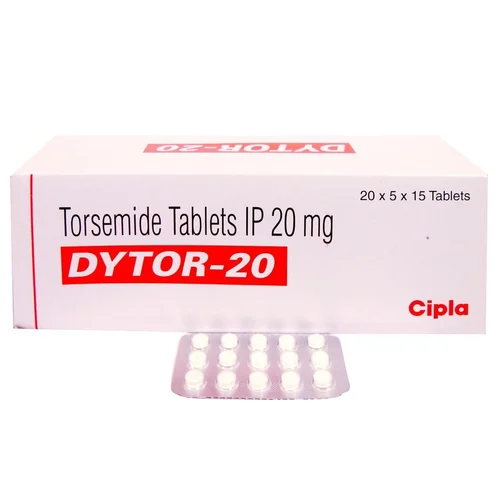
Dytor 20mg (Torasemide)
Previous product


Dytor 10mg (Torasemide)
A$23.00 A$40.00Price range: A$23.00 through A$40.00
Next product

Crotonol 500mg (Disulfiram)
A$26.00 A$72.00Price range: A$26.00 through A$72.00
A$23.00 A$48.00Price range: A$23.00 through A$48.00
In Stock
In Stock
Dytor 20mg (Torasemide)
| Pack Size | Price | Quantity | Add To Cart | |
|---|---|---|---|---|
| 30 Tablet/s | A$23.00 | |||
| 60 Tablet/s | A$35.00 | |||
| 90 Tablet/s | A$48.00 | |||
| Want to order in bulk / B2B price? Send Inquiry | ||||
×
Sorry!! Out of Stock
Sorry! Dytor 20mg (Torasemide) is out of stock
Please click below to view other similar medications.
View All Torasemide Products
Offer You Can't Resist
Free Shipping
Enjoy Free Shipping on Orders above AUD304 (USD199)
Estimate Shipping :
07 September - 14 September
40
Secure Packaging
My order was packaged carefully and arrived in good condition. The whole process was handled professionally, and communication was excellent. Thank you for the great service
 Australia
August 18, 2026
Last Updated on December 01, 2025

Description
Introduction
Dytor 20 mg is a potent combination of Torasemide, an effective loop diuretic, which is utilized to treat ailments related to water retention (edema) and elevated blood pressure. It assists the body in eliminating excess water and salt through the urine, which reduces swelling as well as lowers blood pressure. This article provides essential details regarding Dytor 20 mg covering its functions and how it functions and dosage, as well as side reactions, and safety.
What is Dytor 20 mg?
Dytor is a drug that contains Torasemide, which is an ointment loop diuretic that increases the absorption of sodium as well as water through the kidneys. It’s stronger and offers a longer time of effect than other diuretics. This makes it an effective treatment for the hypertension caused by fluid overflow.
Uses of Dytor 20 mg
- The treatment of edema triggered by congestive heart failure, renal cirrhosis, or liver disease
- Management of hypertension (high blood pressure)
- Reduced fluid buildup for conditions such as nephrotic syndrome
How Does Dytor Work?
Torasemide acts by preventing sodium and chloride reabsorption within the ascending loop of Henle inside the kidneys. This increases the amount of urine produced as well as helping to eliminate excess liquid from the body, and reduces blood pressure.
Dosage and How to Take Dytor
- The typical dose to treat edema ranges from 10-20 mg daily and can be altered by a doctor according to the patient’s responses.
- The typical dosage is between 5 to 10 mg per day.
- The tablet can be taken in conjunction with food or drinks. The best time to do this is early in the day to prevent evening urination.
- Limit your use to the prescribed dosage or frequency.
- Follow your doctor’s instructions attentively.
Who Should Avoid Dytor?
- Patients suffering from significant liver or kidney limitations should not be treated unless recommended by the physician
- Individuals with electrolyte imbalances, such as low potassium or sodium levels
- People who are allergic to Torasemide and other sulfonamide-derived medications
- Breastfeeding or pregnant women are advised not to use the product unless under supervision from a physician
Possible Side Effects
Common side effects include:
- Increased urination
- Electrolyte imbalances (low potassium, sodium, magnesium)
- Dizziness or lightheadedness, especially when standing up
- Dehydration
- Headache
- Muscle cramps
Serious side effects (rare):
- Severe allergic reactions
- Kidney problems
- Hearing disturbances (rare but possible with high doses)
Consult a doctor if you have severe reactions.
Precautions and Monitoring
- Continuous monitoring of kidney function and electrolytes is crucial throughout treatment.
- Keep hydrated, but adhere to fluid limits if prescribed.
- Tell your physician about any other medicines you are taking, including blood pressure medications, such as lithium or NSAIDs.
- Take care when you stand up swiftly to avoid fainting or falling.
Storage Instructions
- Keep Dytor tablets in a cool, dry place, and away from heat and humidity.
- Make sure that the area is safe for young children.
- Use only until the date of expiry.
Conclusion
Dytor 20 mg (Torasemide) is a powerful diuretic that can help manage the retention of fluid and blood pressure. If used properly under the supervision of a medical professional, it can reduce swelling and manage hypertension. Consistent follow-up and adherence to prescribed dosages are essential for a safe and efficient treatment.
Related products






Reviews
There are no reviews yet.