

Dilvas 2.5mg (Enalapril)
Previous product
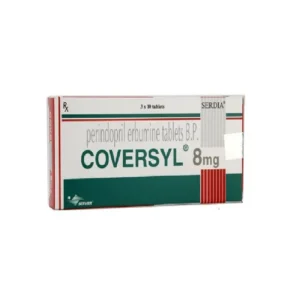
Coversyl 8mg (Perindopril)
A$64.98 A$142.60Price range: A$64.98 through A$142.60
Next product
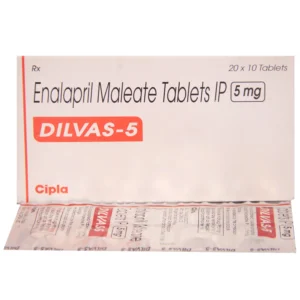
Dilvas 5mg (Enalapril)
A$16.25 A$30.69Price range: A$16.25 through A$30.69
A$10.83 A$18.05Price range: A$10.83 through A$18.05
In Stock
In Stock
Dilvas 2.5mg (Enalapril)
| Pack Size | Price | Quantity | Add To Cart | |
|---|---|---|---|---|
| 60 Tablet/s | A$10.83 | |||
| 90 Tablet/s | A$14.44 | |||
| 120 Tablet/s | A$18.05 | |||
| Want to order in bulk / B2B price? Send Inquiry | ||||
×
Sorry!! Out of Stock
Sorry! Dilvas 2.5mg (Enalapril) is out of stock
Please click below to view other similar medications.
View All Enalapril Products
Offer You Can't Resist
Free Shipping
Enjoy Free Shipping on Orders above AUD304 (USD199)
Estimate Shipping :
25 July - 01 August
26
Last Updated on November 30, 2025

Description
Introduction
Dilvas 2.5mg contains Enalapril, which is one of the most effective medications used in Australia for the treatment of hypertension (hypertension) as well as heart insufficiency. Enalapril belongs to a class of drugs called angiotensin-converting enzyme (ACE) inhibitors, which help relax blood vessels, making it easier for the heart to pump blood.
This complete guide will provide Australian patients with all the essential details regarding Dilvas 2.5mg — including how it works, what its uses dosage, adverse consequences, safety measures, and frequently sought-after questions.
What is Dilvas 2.5mg?
Dilvas 2.5mg is a tablet that contains enalapril maleate, which is an ACE inhibitor. It acts by blocking the enzyme that converts angiotensin I to angiotensin II, which reduces blood vessel size. Through blocking this enzyme, enalapril can expand blood vessels, reduce blood pressure, and lessen stress on the heart.
How Does Dilvas 2.5mg Work?
Enalapril decreases the amount of angiotensin II. It is a hormone that causes blood vessels to narrow. It can cause:
- Relaxation and widening of blood vessels (vasodilation)
- Lowered blood pressure
- Reduced workload on the heart
- Improved blood flow
The effects of these make it simpler for the heart muscle to circulate blood more efficiently and assist in preventing heart attacks, strokes, as well as kidney damage.
Common Uses of Dilvas 2.5mg
In Australia, Dilvas 2.5mg is prescribed for:
- Hypertension (high blood pressure): To lower and control blood pressure.
- Heart failure: Improve heart function and lessen the symptoms.
- Prevent kidney damage: Particularly in those with kidney or diabetes.
- Post-heart attack: To aid recovery and lessen stress on the heart.
Dosage and Administration
- The recommended starting dosage for adults consists of 2.5mg each day. However, your physician can adjust your dose depending on your health situation and your reaction.
- Tablets must be consumed by mouth with water. They can be taken either with or without food.
- Take the medicine daily at the same time each morning to ensure the most effective outcomes.
- Avoid chewing or crushing the tablet.
- Do not stop treatment even when you feel good; however, do not stop treatment without consulting your physician.
Important Precautions
Before taking Dilvas 2.5mg, inform your doctor if you:
- Have a history of angioedema (swelling of the face, lips, or throat)
- Are pregnant, planning pregnancy, or breastfeeding
- Have kidney or liver problems
- Are on a low-sodium diet or taking potassium supplements
- Are taking other medications, including diuretics, NSAIDs, or lithium
- Feel faint or dizzy upon starting the medication
Potential Side Effects
Common Side Effects
- Dizziness or lightheadedness, especially when standing up quickly
- Cough (dry, persistent)
- Fatigue or tiredness
- Headache
- Nausea or stomach upset
- Elevated blood potassium levels
Serious Side Effects (Seek Immediate Medical Attention)
- Severe swelling of the face, lips, tongue, or throat (angioedema)
- Difficulty breathing or swallowing
- Severe dizziness or fainting
- Signs of kidney problems: changes in urine output, swelling of feet/legs
- Irregular heartbeat
Drug Interactions
Dilvas 2.5mg can interact with:
- Diuretics (water pills)
- Potassium supplements or potassium-sparing diuretics
- Nonsteroidal anti-inflammatory drugs (NSAIDs)
- Lithium and other mood stabilizers
- Other blood pressure medications
Be sure to inform your doctor about any medication or supplement that you consume.
Storage Instructions
- Store Dilvas tablets at room temperature and less than 25°C.
- Make sure to keep your place dry, far from the direct sun.
- Keep the store out of the access of young children.
- Use only until the date of expiry.
Monitoring During Treatment
Your doctor may monitor:
- Blood pressure regularly to assess effectiveness
- Kidney function through blood and urine tests
- Blood potassium levels to avoid hyperkalemia
- Signs of side effects or allergic reactions
Table: Quick Facts About Dilvas 2.5mg
| Feature | Details |
| Drug Class | ACE inhibitor |
| Typical Dose Range | 2.5mg to 20mg daily, adjusted by doctor |
| Prescription Status | Prescription-only in Australia |
| Common Side Effects | Dizziness, cough, headache |
| Major Precautions | Angioedema, pregnancy, kidney issues |
| Storage | Store below 25°C, dry place |
Frequently Asked Questions (FAQs)
-
How long does Dilvas take to lower blood pressure?
It is possible to begin seeing results within the first 1-2 weeks, but the full effect can last about 4-6 weeks.
-
Can I take Dilvas with food?
Yes, it can be consumed in combination with and without meals.
-
What if I miss a dose?
Do it as quickly as you remember it, unless just before the next dose. Don’t double-dose.
-
Can Dilvas cause a cough?
A dry cough that persists is a frequent adverse effect. Tell your physician about any issues that bother you.
-
Is Dilvas safe during pregnancy?
Enalapril is not advised during pregnancy. Consult your physician to discuss alternatives.
-
Can I drink alcohol while on Dilvas?
The effects of alcohol on blood pressure can cause headaches and induce dizziness. It is recommended to limit or eliminate consumption.
-
What should I do if I feel dizzy?
Lie down or sit until the pain goes away; stay clear of extreme movements. Consult your physician in case the symptoms persist.
-
Can Dilvas affect kidney function?
It could alter kidney function, so regular surveillance is crucial.
-
Can I take potassium supplements with Dilvas?
Under medical supervision only since it may cause potassium levels to rise dangerously.
-
Is Dilvas available over the counter?
No, It is not, but it does require a prescription of Australia.
Conclusion
Dilvas 2.5mg (Enalapril) is a well-known and efficient medication to manage the effects of hypertension and heart failure in Australia. Its function in defending the kidneys and heart is a major reason why it’s a key treatment for a lot of patients.
Take Dilvas exactly as it is prescribed. Keep regular appointments as well as promptly report any concerns or side effects with your physician.
Related products







Recently Viewed



Reviews
There are no reviews yet.