
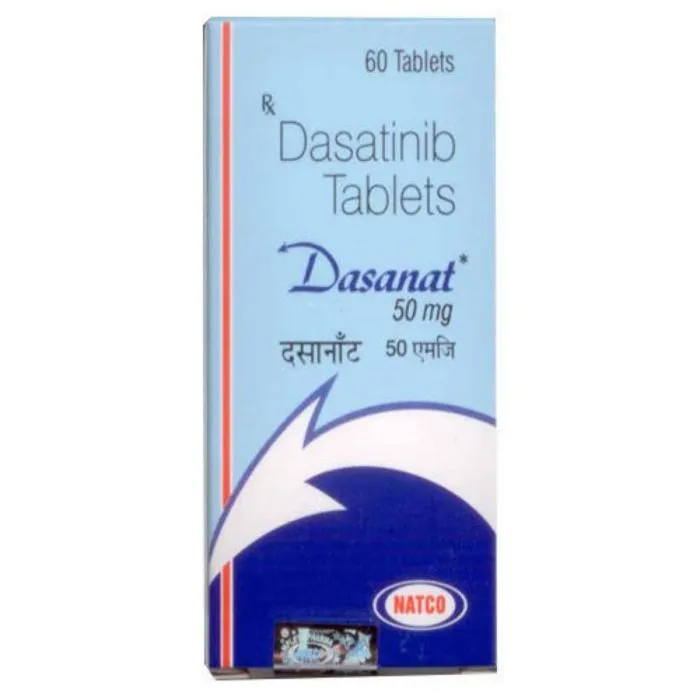
Dasanat 50mg (Dasatinib)
Previous product
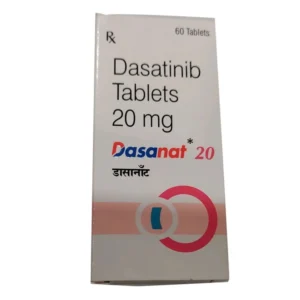
Dasanat 20mg (Dasatinib)
$69.00 $167.67Price range: $69.00 through $167.67
Next product
Depsol 25mg (Imipramine)
$20.00 $44.00Price range: $20.00 through $44.00
$107.00 $260.00Price range: $107.00 through $260.00
In Stock
In Stock
Dasanat 50mg (Dasatinib)
| Pack Size | Price | Quantity | Add To Cart | |
|---|---|---|---|---|
| 60 Tablet/s | $107.00 | |||
| 120 Tablet/s | $192.60 | |||
| 180 Tablet/s | $260.00 | |||
| Want to order in bulk / B2B price? Send Inquiry | ||||
×
Sorry!! Out of Stock
Sorry! Dasanat 50mg (Dasatinib) is out of stock
Please click below to view other similar medications.
View All Dasatinib Products
Offer You Can't Resist
Free Shipping
Enjoy Free Shipping on Orders above AUD304 (USD199)
Estimate Shipping :
18 June - 25 June
30
Last Updated on November 29, 2025

Description
Overview
Dasanat 50mg includes Dasatinib, a targeted therapy for cancer that is primarily utilized to treat specific types of cancerous blood. It is part of the category of medicines known as tyrosine kinase inhibitors (TKIs) and works in preventing the spread and growth of cancerous cells.
Dasatinib is the most frequently used to treat chronic myeloid Leukemia (CML) and Philadelphia chromosome-positive Acute Lymphoblastic Leukemia (Ph+ ALL), especially in situations where all other treatment options do not work or are not acceptable.
What Is Dasanat 50mg Used For?
Dasanat 50mg is prescribed in the treatment of:
- Chronic Myeloid Leukemia (CML) in chronic, accelerated, or blast phases
- Philadelphia chromosome-positive Acute Lymphoblastic Leukemia (Ph+ ALL)
- Patients resistant or intolerant to prior therapies like imatinib
This drug targets proteins that are abnormal and that are responsible for the growth of cancer cells, and slows the progression of cancer.
How Dasanat 50mg Works
Dasatinib is a drug that works by stopping the BCR-ABL Kinase enzyme, which is an unnatural protein created by the Philadelphia gene mutation. The enzyme causes an uncontrolled growth rate of cancer cells.
Through blocking the activity of this enzyme, Dasanit slows down the proliferation of cancer cells, as well as assisting in controlling the growth of cancerous blood cells.
Dosage and Administration
Typical Dosage
- Dosage is different based on the nature and stage of the leukemia.
- In the case of CML, that is, chronically advancing CML with chronic phase, the recommended dose is 100 mg once a day.
- To treat an accelerated or blast phase CML, as well as all forms of Ph+ dosages, can be 140 mg per day, in one dose or split.
Administration Guidelines
- Consume the tablet by mouth and with or without food.
- Suck whole, but do not crush or chew.
- Use the medicine daily at the same time every day.
- Make sure you follow the precise dosing regimen recommended by your doctor.
Precautions and Warnings
Before you begin Dasanat, you should inform your medical doctor if you suffer from:
- Liver or kidney problems
- Heart disease or history of irregular heartbeat
- Bleeding disorders
- Low blood counts
- History of infections or immune disorders
- Pregnancy or breastfeeding status
Close monitoring of blood tests is crucial to monitor adverse effects and ensure efficiency.
Possible Side Effects
Common Side Effects
- Diarrhoea
- Nausea and vomiting
- Headache
- Fluid retention causing swelling (edema)
- Muscle cramps or pain
- Fatigue and weakness
Serious Side Effects (Seek Immediate Medical Advice)
- Severe bleeding or bruising
- Signs of infection: fever, chills, sore throat
- Shortness of breath or chest pain
- Unusual swelling of face or limbs
- Yellowing of eyes or skin (jaundice)
Drug Interactions
Dasanat could be in contact with:
- CYP3A4 inhibitors or inducers (certain antifungals, antibiotics, antiepileptics)
- Blood thinners (warfarin)
- Medications affecting heart rhythm
- Other cancer treatments
Make sure you provide your complete medicine list to your physician to prevent dangerous interactions.
Storage Instructions
- Keep at room temperature, less than 25°C.
- Make sure the container is securely sealed.
- Be sure to shield yourself from light and moisture.
- Make sure that the area is safe for young children.
Benefits of Dasanat 50mg
| Benefit | Description |
| Targeted therapy | Specifically blocks cancer-causing proteins, keeping healthy cells safe |
| Effective against resistant cases | It can be used when treatments other than imatinib don’t work |
| Oral administration | The most convenient daily pill for you |
| Improves survival rates | Significantly increases the duration of remission as well as the control of the disease |
10 Frequently Asked Questions About Dasanat 50mg (Dasatinib)
-
What cancers does Dasanat treat?
Primarily chronic myeloid leukemia (CML) as well as Philadelphia Acute Lymphoblastic Leukemia chromosome-positive (Phand ALL).
-
How does Dasanat differ from chemotherapy?
Dasanat is a targeted treatment that focuses on a specific protein, unlike conventional chemotherapy, which targets the entire population of cells that are rapidly growing cells.
-
Can I take Dasanat with food?
Yes, Absolutely, Dasanat may be consumed either with or without meals.
-
What should I do if I miss a dose?
Do it as quickly as you can remember, unless very close to your next dose. Take care not to double the dosage.
-
Are blood tests required during treatment?
Yes, it is essential to determine the liver’s function and blood count.
-
Can I drink alcohol while taking Dasanat?
Avoid drinking alcohol to minimize the risk of side effects as well as protect your liver.
-
Is Dasanat safe during pregnancy?
No. This could cause harm to a fetus. Consult your doctor if you are planning to have a baby or are pregnant.
-
What are signs of serious side effects?
The signs of infection include severe bleeding, breathing difficulties, and the skin’s color is becoming yellow.
-
How long will I need to take Dasanat?
The duration of treatment is contingent on the response as well as your doctor’s guidance; treatment could be long-lasting.
-
Is Dasanat available without prescription in Australia?
No, the treatment is only prescribed and should be handled through an Oncologist.
When to Contact Your Doctor
You should seek medical assistance immediately if you suffer from:
- Severe bleeding or unexplained bruising
- Signs of infection (fever, chills)
- Severe swelling or shortness of breath
- Allergic reactions such as rash, itching, or swelling
Final Notes
Dasanat 50mg (Dasatinib) is an effective oral treatment for certain blood cancers. It provides focused treatment with fewer negative side effects than standard chemotherapy. By adhering to the doses prescribed by your doctor and routine medical check-ups ensure optimal results while minimizing dangers.
Additional Information
| Active Ingredient: | Dasatinib |
|---|---|
| Indication: | Blood Cancer |
| Manufacturer: | Natco Pharma Ltd. |
| Packaging: | 60 Tablets in 1 Bottle |
| Strength: | 50mg |
| Delivery Time: | 7 To 15 days |
Related products






Reviews
There are no reviews yet.