

Dabibrook 110mg (Dabigatran)
Previous product
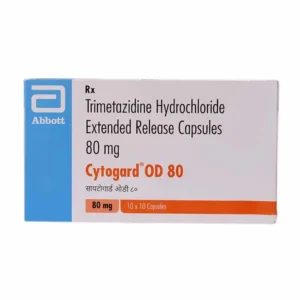
Cytogard 80mg (Trimetazidine)
A$62.09 A$161.73Price range: A$62.09 through A$161.73
Next product
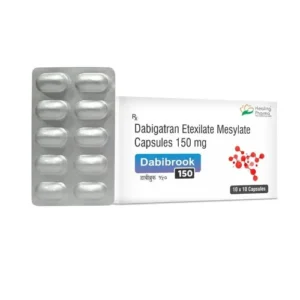
Dabibrook 150mg (Dabigatran)
A$108.30 A$263.17Price range: A$108.30 through A$263.17
A$83.75 A$206.41Price range: A$83.75 through A$206.41
In Stock
In Stock
Dabibrook 110mg (Dabigatran)
| Pack Size | Price | Quantity | Add To Cart | |
|---|---|---|---|---|
| 100 Capsule/s | A$83.75 | |||
| 200 Capsule/s | A$150.75 | |||
| 300 Capsule/s | A$206.41 | |||
| Want to order in bulk / B2B price? Send Inquiry | ||||
×
Sorry!! Out of Stock
Sorry! Dabibrook 110mg (Dabigatran) is out of stock
Please click below to view other similar medications.
View All Dabigatran Etexilate Products
Offer You Can't Resist
Free Shipping
Enjoy Free Shipping on Orders above AUD304 (USD199)
Estimate Delivery :
11 September - 18 September
31
Trusted Service
Good experience overall. The team was responsive, the ordering process was simple, and I received clear information about my shipment. Professional service and good customer support.
 Australia
August 16, 2026
Last Updated on November 29, 2025

Description
If you’ve been given Dabibrook 110 mg, you’re probably dealing with one of the most serious conditions, like atrial fibrillation, deep vein thrombosis (DVT), or PE. (PE). This oral anticoagulant–powered by dabigatran etexilate–is part of a newer class of medications called direct thrombin inhibitors, designed to prevent dangerous blood clots without the burdens of traditional blood thinners like warfarin.
In this article, you’ll learn everything you need to be aware of about Dabibrook 110 mg: what it does, how you can take it, the potential risks, possible side effects, warnings, and the best time to visit your physician.
What Is Dabibrook 110mg?
Dabibrook includes dabigatran etexilate is a Direct oral anticoagulant (DOAC). After being in the body, dabigatran stops the thrombin–an important enzyme that is responsible for creating clots. This prevents both their development and growth of clots.
Contrary to other blood thinners of the past, Dabibrook is:
- Predictable (no need for frequent INR testing)
- Fast-acting
- Shorter half-life
- Fewer food-drug interactions
What Is It Used For?
Dabibrook 110mg is utilized to treat:
- The prevention of strokes and embolism systemic for patients suffering from non-valvular atrial fibrillation (NVAF)
- Prevention and treatment of deep vein thrombosis (DVT) and pulmonary embolism (PE)
- The prevention of blood clots in orthopaedic procedures, including knee or hip replacement
The dose of 110 mg is usually employed for elderly adults, patients with impaired kidney function, as well as those who have a greater risk of bleeding.
How Does Dabigatran Work?
Dabigatran is a Direct thrombin inhibitor, which means it inhibits the thrombin (Factor IIa) — the enzyme that transforms fibrinogen into fibrin, which is the main building component of blood clots.
Why this matters:
- Protects against strokes for patients with AFib by reducing the formation of clots in the heart
- stops the progression of clots that are already present
- Reducing the frequency following initial DVT or PE treatment
Dabibrook 110mg Dosage & Administration
| Factor | Recommended Use |
| Standard AFib prevention | 150 mg once a day (or 110 mg if you are one of the patients) |
| Elderly / renal impairment | 110 mg once a day |
| After surgery (hip/knee) | As a first dose, 110 mg, and then 220 mg a day |
How to take:
- Dose in a pill every two days, at least twice daily.
- With or without food
- Take a sip entirely with drinking water (do not open or crush the capsule)
- Keep a consistent frequency of time every 12 hours
Who Should Take 110mg Instead of 150mg?
Dabibrook 110mg is recommended to:
- Patients who are over 75
- Moderate renal impairment (CrCl 30–50 mL/min)
- Patients who are at a greater risk of bleeding
- Patients who are taking specific interactions with medications (e.g., verapamil)
Be sure to follow the doctor’s guidelines, particularly for renal conditions or other age-related issues.
Key Benefits of Dabibrook (Dabigatran)
✅ Blood tests are not routinely conducted (unlike warfarin)
✅ Quick start of the action
✅ Half-life is shorter and faster offset in case the need for surgery arises
✅ A lower risk of bleeding into the intracranial space when compared to warfarin
✅ Dosing that is predictable without restrictions on diet
Side Effects of Dabibrook 110mg
Common side effects:
| Symptom | Notes |
| Gastrointestinal upset | Nausea, stomach pain, indigestion |
| Bruising | Minor bruises more easily |
| Nosebleeds | Especially in dry environments |
| Fatigue | Due to minor blood loss |
Serious (seek help immediately):
- Major bleeding (e.g. blood in urine, stool, or vomit)
- Unusual heavy menstrual bleeding
- Signs of stroke (sudden weakness, slurred speech, facial droop)
- Allergic reaction (rash, itching, swelling)
Bleeding Risk: What You Need to Know
Since dabigatran can thin your blood and raise the risk of bleeding. The 110 mg dose is designed to decrease the danger for more vulnerable patients.
Precautionary tips:
- Do not take NSAIDs like aspirin, ibuprofen, or any supplements like omega-3 fish oils, unless it is approved
- Utilize the gentle brush as well as an electric razor
- Please report any head injuries or unprovoked bruises
Reversal Agent Available
In contrast to some DOACs, dabigatran is the only one with the benefit of a particular remedy: idarucizumab (Praxbind®), available at hospitals. This permits swift reversal when bleeding is in a crisis or surgical emergencies.
Dabigatran vs Warfarin: Comparison Chart
| Feature | Dabigatran (Dabibrook) | Warfarin |
| Monitoring needed | No | Yes (INR testing) |
| Onset of action | Rapid (within hours) | Slow (3–5 days) |
| Food interactions | Minimal | Many (vitamin K foods) |
| Drug interactions | Fewer | Numerous |
| Antidote available | Yes (idarucizumab) | Yes (vitamin K) |
| Bleeding risk | Lower intracranial risk | Higher with variable INR |
| Dose uniformity | Fixed dosing | Requires regular adjustment |
Who Should NOT Take Dabibrook 110mg?
🚫 Active bleeding or bleeding disorders
🚫 Prosthetic heart valves
🚫 Severe kidney impairment (CrCl <30 mL/min)
🚫 Liver disease with clotting abnormalities
🚫 Pregnancy or breastfeeding (not recommended)
Drug Interactions
Use with caution if taking:
- Antiplatelet drugs (e.g. clopidogrel, aspirin)
- NSAIDs (ibuprofen, naproxen)
- Verapamil (may increase dabigatran levels)
- Rifampicin, ketoconazole, amiodarone, dronedarone
Be sure to inform your physician about any medications, supplements, and herbal supplements.
Missed Dose?
- If the dose is within the next 6 hours, you should make sure you take the missed dose.
- If you have waited longer than 6 hours have passed, avoid the dose and start the following dose at the normal date and time.
- Do NOT double dose.
Storage & Handling
- Place in the original blister package (dabigatran is sensitive to humidity)
- Make sure to keep the temperature of your room at or below 25°C.
- Do not move capsules to containers that are different
- Make sure that the items are out of Children’s reach
Frequently Asked Questions (FAQs)
Q: Can I stop Dabibrook suddenly?
A: No. Abruptly stopping your activities could make you more susceptible to stroke. Stop only if you are given medical supervision.
Q: Can I drink alcohol?
A: When used in moderation, alcohol can be considered harmless. However, drinking heavily can increase the risk of bleeding.
Q: Is blood testing ever needed?
A: It’s not a requirement; however, your physician may test kidney function and even perform laboratory tests for clotting.
Q: Can I have surgery while on Dabibrook?
A: It’s all up to you. The doctor might suggest stopping dabigatran 2 days before surgery, based on the risk of bleeding.
Patient Safety Tips
✔️ Have a medical alert card or bracelet that states you’re taking dabigatran
✔️ Be sure to inform all healthcare professionals before treatments, which includes dentists
✔️ Be sure to keep up with all checks for the function of your kidney and signs of bleeding.
✔️ Do not stop, alter, or reduce dosage without consulting your physician.
✔️ It is imperative to immediately report any signs of bleeding and fainting, or abnormal symptoms of fatigue
Quick Summary: Dabibrook 110mg At a Glance
| Attribute | Details |
| Brand Name | Dabibrook |
| Generic Name | Dabigatran etexilate |
| Strength | 110 mg per capsule |
| Drug Class | Direct thrombin inhibitor (DOAC) |
| Indications | Stroke prevention, DVT/PE treatment |
| Dose Frequency | Twice daily |
| Monitoring Required | No regular INR, just renal checks |
| Bleeding Risk | Yes, but lower than warfarin |
| Reversal Agent | Yes (idarucizumab – Praxbind®) |
Final Thoughts
Dabibrook 110mg provides a practical contemporary solution for patients susceptible to stroke or blood clots–especially people who find monitoring warfarin excessively burdensome and risky. With the fixed dose and fewer interactions and an antidote that is specific to the patient, it’s an effective solution for long-lasting and safe anticoagulation.
It’s still a potent blood thinner with bleeding risk, which should be considered seriously. Make sure to use it under medical supervision, and make sure you follow the instructions precisely as directed by your doctor.
Additional Information
| Active Ingredient: | Dabigatran Etexilate |
|---|---|
| Indication: | Used to Prevent Blood Clots |
| Manufacturer: | Healing Pharma, India |
| Packaging: | 10 Capsules in 1 Strip |
| Strength: | 110mg |
| Delivery Time: | 7 To 15 days |
Related products


Recently Viewed

Reviews
There are no reviews yet.