

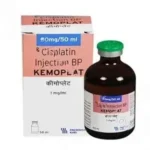
Cytoplatin 50mg (Cisplatin)
Previous product

Cytoblastin 10mg (Vinblastine Sulphate)
$15.00 $31.25Price range: $15.00 through $31.25
Next product
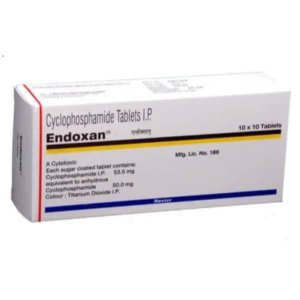
Endoxan 50mg (Cyclophosphamide)
$30.00 $112.50Price range: $30.00 through $112.50
$14.00 $75.00Price range: $14.00 through $75.00
In Stock
In Stock
Cytoplatin 50mg (Cisplatin)
| Pack Size | Price | Quantity | Add To Cart | |
|---|---|---|---|---|
| 1 Vial | $14.00 | |||
| 3 Vial/s | $40.00 | |||
| 6 Vial/s | $75.00 | |||
| Want to order in bulk / B2B price? Send Inquiry | ||||
×
Sorry!! Out of Stock
Sorry! Cytoplatin 50mg (Cisplatin) is out of stock
Please click below to view other similar medications.
View All Cisplatin Products
Offer You Can't Resist
Free Shipping
Enjoy Free Shipping on Orders above AUD304 (USD199)
Estimate Shipping :
08 June - 15 June
30
Good Packagingg
Professional packaging and timely delivery. Highly recommend this medicines website
 Australia
May 20, 2026
Last Updated on November 29, 2025

Description
Platinum-Based Chemotherapy for Solid Tumour Management
Cytoplatin 50mg with cisplatin, is a chemotherapy drug based on platinum that is used to treat a wide variety of tumors that include testicular, ovarian, the lung, bladder, head and neck cancers. It acts by binding to DNA and stopping the rapid growth of cancerous cells.
For the standard chemotherapy or combined regimens, Cytoplatin has served as an essential treatment for oncology for a long time and is administered with medical supervision in clinics or hospitals across Australia.
What Is Cytoplatin?
Cytoplatin is the name-brand form of Cisplatin it is which is a chemotherapy (cell-killing) drug that is that is classified as a coordination complex of platinum. It is administered by an intravenous infusion, and is commonly utilized for the first line or as an adjunctive chemotherapy.
It does this by creating DNA cross-links that disrupt cancer cell replication and can trigger the process of apoptosis (cell death).
Fast Facts – Cytoplatin 50mg Overview
| Feature | Description |
| Active Ingredient | Cisplatin 50mg |
| Drug Class | Alkylating-like agent / platinum-based |
| Form | Injection vial (IV infusion) |
| Use | Chemotherapy for solid tumours |
| Typical Schedule | Every 3–4 weeks (depending on regimen) |
| Common Pairings | Etoposide, Paclitaxel, 5-FU, Gemcitabine |
| Route | Intravenous (hospital use only) |
| Prescription Required | Yes |
| Storage | Refrigerated or as per facility protocol |
How Cytoplatin Works
Cisplatin operates in this way by binding to DNA purine bases, which causes the inter-strand and intra-strand crosslinks. The damage stops transcription and replication of DNA and causes an accelerated death of the cells within rapidly expanding tumor cells.
It’s non-selective, which means it can affect both healthy and cancerous rapidly-dividing cells (such as hair follicles, bone marrow, as well as the GI lining).
Common Indications for Cytoplatin
Cytoplatin can be used by itself or with other drugs to treat:
- Testicular cancer (curative intent)
- Ovarian cancer
- Bladder cancer
- Non-small cell and small cell lung cancer
- Head and neck squamous cell carcinoma
- Cervical cancer
- Gastric and oesophageal cancers
For cancer of the testicle, the treatment has excellent cure rates in combination with Etoposide and bleomycin (BEP procedure).
Administration and Dosage
- Form: Infusion via IV at a hospital or an oncology department
- Standard Dosage: 50-100 mg/m² based on the kind of cancer
- Cycle Frequency: Once every 21–28 days
- Pre-medication: Antiemetics, hydration, and electrolyte supplements
- Monitoring: Kidney function, hearing, CBCs before each cycle
The treatment plans for each patient can be customized, and the dosage can be different based on the body surface area (BSA) and patient health.
Expected Timeline of Effects
| Period | Effects |
| First 24 hours | Nausea, vomiting (usually controlled with pre-meds) |
| Days 3–7 | Onset of bone marrow suppression, fatigue |
| Week 2–3 | Hair thinning, potential sensory changes |
| Cycle 2+ | Cumulative side effects (neuropathy, renal strain) |
| Long term | Tumour reduction or stabilisation assessed by imaging/labs |
Benefits of Cytoplatin 50mg
- ✅ The most efficient drugs to treat Ovarian and testicular cancer
- ✅ A backbone established to support the platinum doublet treatment for bladder and lung cancer
- ✅ Sometimes, it leads to the shrinkage of tumors before treatment or radiotherapy
- ✅ It is used for the purpose of treating or alleviating pain and suffering
- ✅ It is available in the majority of oncology clinics across Australia
Side Effects and Monitoring
Common Side Effects
- Nausea and vomiting
- Fatigue
- Loss of appetite
- Hair thinning
- Bone marrow suppression (low WBC/RBC/platelets)
Serious Risks
- Nephrotoxicity (kidney damage)
- Ototoxicity (hearing loss or tinnitus)
- Peripheral neuropathy (tingling or numbness)
- Electrolyte imbalance (especially magnesium and potassium)
- Secondary malignancies (rare, long-term risk)
A series of regular tests of blood and kidney function must be done before every cycle.
Special Precautions
- Not for oral consumption to be used orally. It is only given by a trained professional
- Pregnancy Class D is teratogenic. Contraception necessary
- Be cautious when using this medication in patients suffering from kidney insufficiency or hearing impairments.
- Beware of any other medication that is nephrotoxic or toxic to your kidneys.
- Always make sure to ensure sufficient hydration both before and after administration
Storage & Handling
- Stores are located within hospitals, in quality cold chain conditions
- Avoid light exposure
- Take care to handle by taking the cytotoxic cautions
- Only certified personnel should administer the medication
10 Common Questions About Cytoplatin 50mg (Cisplatin)
-
What cancers is Cisplatin used to treat?
Cisplatin is employed for treating the testicular, ovarian, cervical, bladder, gastric and cervical and head cancers, typically in conjunction with chemotherapy drugs.
-
Is Cisplatin curative or palliative?
Both. For testicular as well as certain Ovarian cancers, the treatment is curative. When it’s used in the case of cancers that are advanced, it’s utilized for extending survival time or to control the symptoms.
-
How is it given?
Cisplatin is administered via an intravenous injection under the supervision of an oncology professional. It is not a medicine that can be taken orally.
-
What are the most serious side effects?
Kidney damage, as well as the loss of hearing, is the main problems that could be long-term. Regular monitoring and hydration reduce the danger.
-
Can Cisplatin cause hair loss?
Moderate to mild hair loss could occur, but generally not as severe in comparison to agents such as doxorubicin and paclitaxel.
-
Why is hydration important with Cisplatin?
The kidneys are protected by hydration, helping to flush out the drugs from the body. The possibility of receiving IV fluids both before and post-treatment.
-
Can Cisplatin affect fertility?
Yes. Men, this can result in the development of permanent or temporary infertility. It is generally recommended to bank sperm before treatment.
-
Does Cisplatin require anti-nausea medication?
Yes. It’s extremely emetogenic and therefore pre-treatment with 5-HT3 antagonists or dexamethasone, as well as NK1 inhibitors, is the norm.
-
Is it used alone or with other drugs?
Cisplatin is often utilized as part of combination treatment regimens (e.g., BEP to treat testicular cancer, EP to treat lung cancer) for increased effectiveness.
-
Is Cytoplatin available in Australia?
Yes. There is a wide range of it available in Australian Oncology and hospital clinics using protocols that conform to both international and national Cancer guidelines.
Final Thoughts
Cytoplatin 50mg (Cisplatin) remains the gold standard chemotherapy drug to treat a broad spectrum of tumors in the solid form. The fact that it has been proven effective, particularly when it comes to ovarian and testicular cancers, makes it an integral part of a variety of first-line and salvage treatments.
Additional Information
| Manufacturer | Cipla Inc. |
|---|---|
| Pharmaceutical | Vials |
| Strength | 50 mg |
| Pack Size | 1 Vials, 3 Vials, 6 Vials |
Related products

Reviews
There are no reviews yet.