
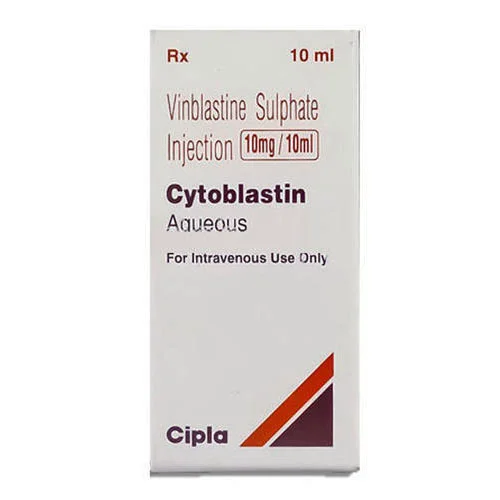
Cytoblastin 10mg (Vinblastine Sulphate)
Previous product
Cyendiv 150mg (Nintedanib)
A$660.00 A$1,600.00Price range: A$660.00 through A$1,600.00
Next product
Cytoplatin 50mg (Cisplatin)
A$14.00 A$75.00Price range: A$14.00 through A$75.00
A$15.00 A$31.25Price range: A$15.00 through A$31.25
In Stock
In Stock
Cytoblastin 10mg (Vinblastine Sulphate)
| Pack Size | Price | Quantity | Add To Cart | |
|---|---|---|---|---|
| 1 Injection | A$15.00 | |||
| 2 Injection/s | A$22.50 | |||
| 3 Injection/s | A$31.25 | |||
| Want to order in bulk / B2B price? Send Inquiry | ||||
×
Sorry!! Out of Stock
Sorry! Cytoblastin 10mg (Vinblastine Sulphate) is out of stock
Please click below to view other similar medications.
View All Vinblastine Sulphate Products

Offer You Can't Resist
Free Shipping
Enjoy Free Shipping on Orders above AUD304 (USD199)
Estimate Delivery :
20 October - 27 October
20
Last Updated on November 28, 2025

Description
Targeted Antimitotic Therapy for Blood Cancers and Solid Tumours
Cytoblastin 10mg is a medicine that contains Vinblastine Sulphate, an injection-only medicine for chemotherapy that is prescribed for treating various forms of cancer. This includes Hodgkin’s Lymphoma, Non-Hodgkin’s Ly, and testicular cancer. It also treats Kaposi’s sarcoma and breast or lung cancers.
It is part of the vinca alkaloid class of anticancer drugs and is a drug that interferes with cancer cell division. This makes it extremely effective against tumors that are rapidly growing. Cytoblastin is administered through an intravenous injection and can only be utilized under medical or specialist guidance.
What Is Cytoblastin 10mg?
Cytoblastin is a component of vinblastine Sulphate, which is a Mitotic inhibitor that comes from the Catharanthus roseus (Madagascar perwinkle) plant. It’s an anti-cytotoxic (cell-killing) drug, either in combination with other agents or in an anti-cancer regimen that targets the growth of cancer and its spread.
This drug is commonly utilized in the most specialized oncology facilities all over Australia and demands precise dosage and attentive monitoring due to the narrow therapeutic index.
At-a-Glance: Cytoblastin (Vinblastine Sulphate)
| Attribute | Details |
| Active Ingredient | Vinblastine Sulphate 10mg |
| Formulation | Injectable solution (IV use only) |
| Drug Class | Vinca alkaloid, antimicrotubule agent |
| Primary Use | Chemotherapy for lymphoma, testicular, breast, lung cancers |
| Administration | Intravenous injection only (hospital/specialist use) |
| Prescription Status | Schedule 4 (Prescription Only) |
| Country of Availability | Available in Australia under oncologist supervision |
| Cycle-Based Use | Yes – given in cycles with rest periods |
How Does Vinblastine Work?
Vinblastine is a Mitotic Spindle Poison, which means it interferes with the creation of microtubules in cells. Microtubules are vital for the development of cells (mitosis). By blocking this process, Vinblastine stops the reproduction of cancer cells and causes these cells to cease to exist.
Since it targets quickly dividing cells, this is particularly efficient when it comes to:
- Haematological cancers (e.g., lymphomas, leukaemias)
- Solid tumours (e.g., breast, lung, testicular cancers)
- Certain viral-associated cancers (e.g., Kaposi’s sarcoma)
Conditions Treated with Cytoblastin
| Condition | Why Cytoblastin Is Prescribed |
| Hodgkin’s Lymphoma | Part of ABVD or other protocols |
| Non-Hodgkin’s Lymphoma | Targets lymphoid tissue malignancy |
| Testicular Cancer | Effective against germ cell tumours |
| Kaposi’s Sarcoma | Used in HIV-associated malignancies |
| Breast Cancer (advanced) | Slows progression of metastatic breast tumours |
| Lung Cancer (non-small cell) | Combines well with platinum agents |
How Is Cytoblastin Administered?
- It is only available in oncology or hospitals by certified professionals.
- Injected into the vein (IV) over several minutes or in the course of or as part of an injection.
- As an element of a therapy cycle in a cycle of treatment, e.g., one time per week for several weeks, followed by a rest time.
- Dosage is calculated based on the body’s surface area (BSA) and adjusted to account for the function of organs.
Important: Cytoblastin must not be administered intrathecally (into the spinal column) because this could cause fatal complications.
Monitoring During Treatment
Patients taking Cytoblastin need to be closely monitored, for example:
- Full blood counts (FBC) – to look out for signs of the possibility of suppression of bone marrow
- Liver function tests (LFTs)
- Signs of neurotoxicity (tingling, muscle weakness)
- Gastrointestinal side effects
Supportive therapies or medications can be employed to control adverse effects such as nausea or constipation.
Safety Profile & Side Effects
Common Side Effects:
- Nausea or vomiting
- Constipation
- Fatigue
- Hair thinning or loss
- Bone marrow suppression (low WBCs, anaemia, low platelets)
Less Common but Serious:
- Nerve toxicity (tingling, numbness, weakness)
- Jaw pain
- Lung complications
- Severe infection (due to low white blood cells)
Make sure you report any changes or increasing symptoms to your physician immediately.
Special Warnings & Precautions
- Pregnancy & Breastfeeding: It is not safe. It can harm an unborn baby. Contraception is crucial for treatment and afterwards.
- Fertility: It can affect fertility in both females and males. Discuss preservation of eggs and sperm before you start.
- Infection Risk: Immune system suppression. Stay away from crowds, sick contacts, as well as unwashed food items.
- Drug Interactions: Tell your physician about any medications, including antifungals, antivirals, and immunosuppressants.
Storage & Handling
- It must be kept in a pharmacy in the hospital or in a refrigerated clinical environment
- It is not recommended for use at home by patients
- Only dealt with by certified personnel in oncology using equipment that is protected
- Protocols for the disposal of cytotoxic waste can be used
Frequently Asked Questions (FAQs)
-
What is Cytoblastin used for?
Cytoblastin (Vinblastine Sulphate) is a drug used in the treatment of different types of cancer, particularly the lymphoma-related ones, as well as tumors of the testicle, by preventing cancer cells from multiplying.
-
How is Cytoblastin administered?
It is administered via an IV injection in a medical setting, and it’s not administered orally or through spinal injections.
-
Is it safe to take Cytoblastin at home?
No. It is only to be given under the supervision of a medical professional in an oncology medical clinic or hospital.
-
What are the major side effects?
Suppression of the bone marrow, nausea, constipation, and nerve damage are all common. The regular blood tests can help to ensure security.
-
Can I eat normally during treatment?
In general, yes. However, beware of food that is raw or cooked when you are experiencing a low immune system. Consider the possibility of a healthy diet for people with neutropenia with your health care provider.
-
Will I lose my hair?
The loss or thinning of hair can occur; however, it’s typically only temporary, and the growth will return following the end of treatment.
-
How long is a treatment course?
This varies according to the kind of cancer. The majority of treatments last between 6 – 12 weeks or more when used in cycles.
-
Can Cytoblastin affect fertility?
Yes. Talk about fertility preservation options before commencing treatment, especially if you are planning to become pregnant later.
-
Can I drink alcohol during chemotherapy?
The consumption of alcohol can cause side effects such as fatigue and liver toxicity. You should avoid drinking or limit your consumption. Talk to your doctor.
-
Does Cytoblastin cure cancer?
It’s included in curative plans in certain types of cancers (e.g., Hodgkin’s lymphoma). However, it is usually utilized to reduce or eliminate tumors when they are in the advanced stage.
Final Thoughts
Cytoblastin 10mg (Vinblastine Sulphate) is an essential component of various chemotherapy strategies to treat blood cancers as well as cancerous solid tumors. Although it is potent, it’s the most efficacious when it is administered in prescribed cycles by oncology specialists who monitor it regularly.
Additional Information
| Manufacturer | Cipla Limited |
|---|---|
| Pharmaceutical | Injection/s |
| Strength | 10mg |
| Pack Size | 1 Injection , 2 Injection/s , 3 Injection/s |
Related products


Reviews
There are no reviews yet.