
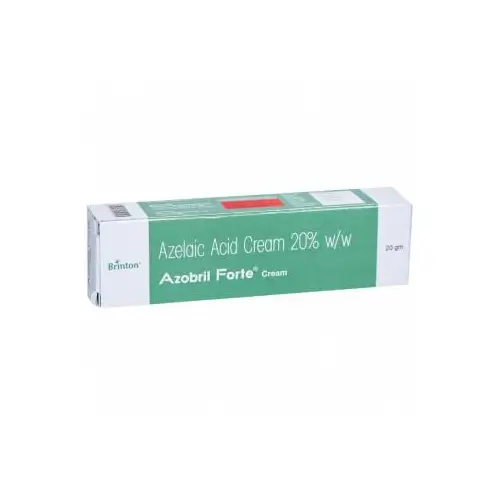
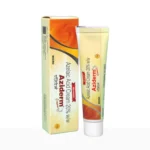
Azobril Forte Cream (Azelaic Acid)
Previous product
Epiduo Gel (Adapalene/Benzoyl Peroxide)
$25.00 $105.00Price range: $25.00 through $105.00
Next product
Vitamin C 1000mg Inj (Vitamin C/Ascorbic Acid)
$40.00 $180.00Price range: $40.00 through $180.00
$12.00 $105.00Price range: $12.00 through $105.00
Out of Stock
Out of Stock
Azobril Forte Cream (Azelaic Acid)
| Pack Size | Price | Quantity | Add To Cart | |
|---|---|---|---|---|
| 1 Cream/s | $12.00 | |||
| 3 Cream/s | $30.00 | |||
| 6 Cream/s | $55.00 | |||
| 12 Cream/s | $105.00 | |||
| Want to order in bulk / B2B price? Send Inquiry | ||||
×
Sorry!! Out of Stock
Sorry! Azobril Forte Cream (Azelaic Acid) is out of stock
Please click below to view other similar medications.
View All Azelaic Acid Products
Offer You Can't Resist
Free Shipping
Enjoy Free Shipping on Orders above AUD304 (USD199)
21
Good Packagingg
Professional packaging and timely delivery. Highly recommend this medicines website
 Australia
May 20, 2026
Last Updated on November 25, 2025

Description
Overview
Azobril Forte Cream can be described as the name of a dermatological topical formulation that has Azelaic Acid, a natural dicarboxylic acid, which is found in grains such as rye, wheat, and barley. It’s mainly used in the treatment of the appearance of rosacea, acne, as well as skin pigmentation and other painful skin disorders. Azobril Forte is known for its delicate yet powerful treatment for acne, blemishes, and pores, and a smoothing skin toner, which makes it a favorite throughout Australian dermatology treatments.
Key Benefits
- Reducing inflammatory and non-inflammatory acne
- Aids in clearing blocked pores and helps to prevent blackheads from appearing
- Pigmentation and marks that appear post-acne
- Redness caused by rosacea is soothed
- Antibacterial and anti-inflammatory action
How Azobril Forte Cream Works
Azelaic Acid functions by:
- Eliminating the acne-causing bacteria (C. acnes) on the skin’s surface.
- Inhibiting keratinisation. This blocks pore obstruction.
- Normalizing the production of pigments to lessen hyperpigmentation.
- Reducing inflammation is a great choice for those with sensitive skin.
The dual antibacterial and comedolytic actions make it suitable for battling active breakouts as well as the pigmentation that is left behind.
Ingredients
| Component | Purpose |
| Azelaic Acid 20% | Active Ingredient – anti-acne, anti-pigmentation |
| Emollient base | Hydrates and delivers the active |
| Preservatives | Ensures product stability |
Note: The 20% concentration in Azobril Forte Cream is a prescription-strength formulation, commonly recommended by dermatologists for moderate to severe acne or rosacea.
Uses of Azobril Forte Cream
Acne Vulgaris
Azelaic acid reduces acne-related inflammation, lesions, and the appearance of blocked pores. In time, it eliminates blackheads, whiteheads, and deeper papules.
Rosacea
Rosacea sufferers can benefit from Azobril Forte’s anti-inflammatory properties and reduce redness. It assists in soothing visible blood vessels and reduces the appearance of redness.
Post-inflammatory Hyperpigmentation (PIH)
The dark spots fade and pigmentation that occurs after acne or exposure to sunlight, particularly with darker to medium skin tones.
Melasma and Uneven Skin Tone
Azelaic acid blocks melanin production and is therefore suitable to treat melasma, age spots, and general discoloration.
Application Instructions
- Cleanse the skin lightly with a gentle cleanser that is soap-free.
- Cleanse and allow several minutes for the skin to heal.
- Use a small quantity on the affected area every day or once.
- Apply sunscreen and moisturiser at the beginning of the day.
Important Tips
- Don’t apply it near the eyes or the mouth.
- Make sure to apply SPF regularly, because your skin can become sensitive to the sun.
- A mild tingling or burning sensation can occur in the beginning.
Who Should Use Azobril Forte?
Suitable For:
- Teenagers and adults who suffer from the condition of rosacea or acne
- Individuals with combination, sensitive, or oily skin
- People with uneven tone or melanoma
Not Suitable For:
- Children under 12 (unless prescribed)
- Allergic individuals to Azelaic Acid or other components found in the cream
- Skin that is severely damaged or broken
Expected Results Timeline
| Time Frame | What to Expect |
| Week 1–2 | Mild tingling or dryness |
| Week 3–4 | Reduction in active acne, less redness |
| Week 5–6 | Noticeable fading of dark marks |
| Week 7–8 and beyond | Clearer skin tone, smoother texture |
It is crucial to be consistent for most users to see the best results after between 8 to 12 weeks of consistent application.
Storage Instructions
- Place in a cool and dry area (below 25°C)
- Stay out of direct sun
- Don’t freeze
- Close the cap securely when you are finished using it
Common Side Effects
The majority of side effects are minor and short-lived. This could be:
- Tingling or burning sensation
- Dryness or peeling
- Mild redness or irritation
If the symptoms continue or get worse, you should stop taking the medication and speak with a healthcare expert.
Azobril Forte vs. Other Treatments
| Feature | Azobril Forte | Benzoyl Peroxide | Tretinoin | Niacinamide |
| Anti-inflammatory | ✅ | ❌ | ✅ | ✅ |
| Antibacterial | ✅ | ✅ | ❌ | ❌ |
| Non-comedogenic | ✅ | ❌ | ✅ | ✅ |
| Suitable for sensitive skin | ✅ | ❌ | ❌ | ✅ |
| Fades pigmentation | ✅ | ❌ | ✅ | ✅ |
Azobril Forte Cream offers a healthy and balanced appearance ideal for prolonged use, particularly for people who are irritated by harsher agents.
Frequently Asked Questions (FAQs)
-
What is Azobril Forte Cream used for?
Azobril Forte Cream can be used for treating the symptoms of acne, rosacea, and pigmentation, as well as skin inflammation. It does this by eliminating pores, decreasing bacteria, and lightening the marks.
-
How does Azelaic Acid compare to other acne treatments?
Azelaic Acid is less irritating than retinoids and benzoyl peroxide but still offers strong anti-inflammatory and pigmentation-reducing benefits.
-
Why does the cream cause tingling at first?
A slight stinging or tingling feeling is typical when you start Azelaic Acid. The sensation usually subsides after your skin’s response improves in a matter of weeks.
-
Can Azobril Forte be used alongside other skincare products?
Yes, however, avoid combining it with other products that contain AHA, BHA, or Retinoids at first to avoid irritation. Introduce slowly under a dermatologist’s guidance.
-
What should I do if my skin becomes too dry?
Make use of a mild moisturiser twice each day. You may want to reduce the frequency up to once per day until the skin is adjusted.
-
Is Azobril Forte safe for long-term use?
Yes, Azelaic Acid can indeed be used in continuous doses, for years or months, in the case of good tolerance.
-
Can I use this cream if I’m pregnant or breastfeeding?
Azelaic Acid is thought to be safe for use during breastfeeding and pregnancy. It is, however, recommended to speak with your doctor prior to using it.
-
Why is sunscreen important with this cream?
Azelaic Acid could make your skin more sensitive to UV radiation. The sunscreen blocks new pigmentation and shields skin that is healing.
-
How long does a tube of Azobril Forte typically last?
A tube typically lasts about 4-6 weeks in regular use, depending on the location that’s being taken care of.
-
Where on the body can Azobril Forte be applied?
This is mostly for use on the face; however, it could also be used on skin-scarring areas such as the chest, back, or shoulders when the doctor has prescribed.
Final Thoughts
Azobril Forte Cream is a reliable and dermatologist-approved treatment for a range of inflammatory and pigmentary skin conditions. When used consistently and with good practices for skin care, patients typically notice better, clearer, and healthier skin in just a couple of weeks. The ability to be used by delicate skin is a major reason to choose it for Australian customers looking for an effective, mild alternative to harsher acne treatments.
Related products





Recently Viewed

Reviews
There are no reviews yet.