
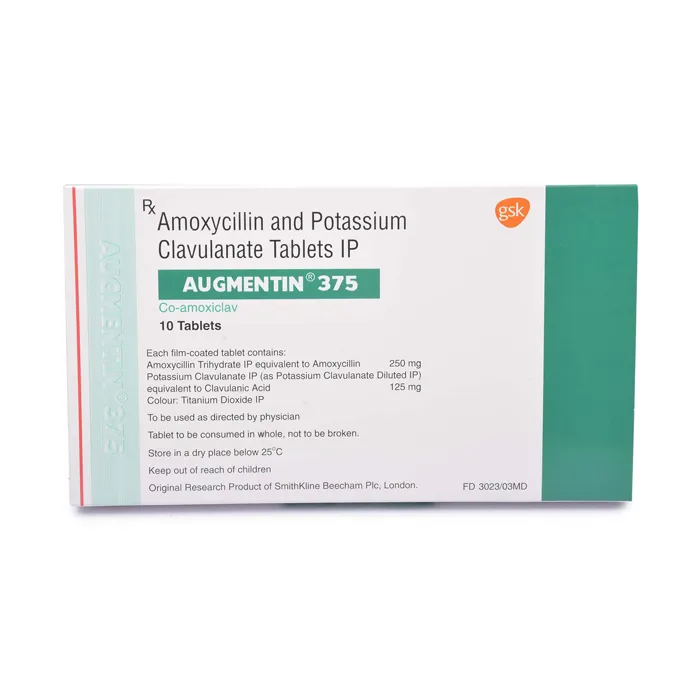
Augmentin 375mg (Amoxicillin/Clavulanic Acid)
Previous product

Desirox 250mg (Deferasirox)
$33.00 $89.00Price range: $33.00 through $89.00
Next product
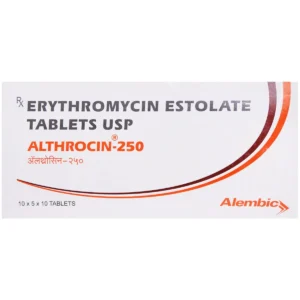
Althrocin 250mg (Erythromycin)
$14.00 $24.00Price range: $14.00 through $24.00
$28.00 $75.00Price range: $28.00 through $75.00
In Stock
In Stock
Augmentin 375mg (Amoxicillin/Clavulanic Acid)
| Pack Size | Price | Quantity | Add To Cart | |
|---|---|---|---|---|
| 30 Tablet/s | $28.00 | |||
| 60 Tablet/s | $55.00 | |||
| 90 Tablet/s | $75.00 | |||
| Want to order in bulk / B2B price? Send Inquiry | ||||
×
Sorry!! Out of Stock
Sorry! Augmentin 375mg (Amoxicillin/Clavulanic Acid) is out of stock
Please click below to view other similar medications.
View All Amoxicillin/Clavulanic Acid Products
Offer You Can't Resist
Free Shipping
Enjoy Free Shipping on Orders above AUD304 (USD199)
Estimate Shipping :
08 July - 15 July
33
Last Updated on November 09, 2025

Description
Augmentin 375 mg is a prescribed antibiotic that combines two potent components: amoxicillin and clavulanic acid. The combination boosts the antibacterial effectiveness, making it more potent against a greater variety of bacterial diseases than amoxicillin on its own.
In this post, we’ll explain the details of what Augmentin 375 mg is, how it functions, when to use it, how to use the medication correctly, and also the possible side effects and precautions to be aware of.
What is Augmentin 375 mg?
Augmentin 375 mg consists of two active components:
- Amoxicillin 250 mg: An antibiotic with a broad spectrum of penicillin.
- Clavulanic acid 125 mg: A beta-lactamase inhibitor
The clavulanic acid found in Augmentin stops some bacteria from breaking down amoxicillin. This makes the antibiotic highly effective against strains that are resistant. This synergy can make Augmentin beneficial in treating complicated or chronic infections.
What is Augmentin Used For?
Augmentin 375 mg is typically used to treat various types of bacterial infections. These include:
- Respiratory tract infections (sinusitis, bronchitis, pneumonia)
- Ear infections (otitis media)
- Throat infections (tonsillitis, pharyngitis)
- Skin and soft tissue infections (cellulitis, abscesses)
- Urinary tract infections (UTIs)
- Dental infections
- Infected wounds or animal bites
It’s not beneficial against viral diseases like the common cold or the flu.
How Does It Work?
Amoxicillin is a medication that interferes with the formation of the cell wall in bacterial cells, leading to the death of bacteria. However, certain bacteria produce beta-lactamases, which can break down amoxicillin.
Clavulanic acid inhibits these enzymes, stopping amoxicillin’s degradation and permitting it to function better.
Dosage and Administration
The usual dosage of Augmentin of 375 mg in adults and kids over 40 kilograms (88 kg) is:
-
One tablet every 8 hours, or three times daily
The dosage is generally employed to treat moderate to mild infections. In the case of a more serious infection, more powerful tablets such as Augmentin 625 mg could be prescribed.
Important Tips:
- The tablet should be taken in the middle of your meal to ease stomach discomfort and increase digestion.
- Drink the tablet completely by drinking water. Avoid chewing or crushing unless you are advised to do so.
- Doses are distributed evenly throughout the day to ensure steady blood levels.
- Follow your complete recommended course regardless of whether you are feeling better sooner.
Missed Dose or Overdose
If You Miss a Dose:
- Make sure to take it in as quickly as you can remember.
- If you’re nearing the date for the next dose, you can skip the one you skipped.
- Don’t do a double dose in order to compensate for missing one.
In Case of Overdose:
The symptoms could include nausea or vomiting, diarrhea, stomach pain, drowsiness, or a decrease in the frequency of urination. Seek medical attention immediately.
Possible Side Effects
As with all medications, Augmentin can cause side effects. However, not everybody is affected by them. Most of the side effects are not severe and are temporary.
Common Side Effects:
- Diarrhea
- Nausea or vomiting
- Indigestion
- Skin rash
- Vaginal yeast infection (in women)
- Headache or dizziness
Less Common or Serious Side Effects:
- Extreme allergic reactions (swelling, hives, breathing difficulties)
- Liver problems (yellowing of skin or eyes, dark urine)
- Diarrhea that persists (may suggest a more severe colon infection)
- The skin peels or rashes are severe (possible indications of Stevens-Johnson syndrome)
Consult your physician immediately in the event that you are experiencing any symptoms of an allergic reaction.
Precautions and Warnings
Before taking Augmentin 375 mg, inform your doctor if you:
- They are sensitive to cephalosporins, penicillin, or beta-lactam antibiotics.
- Have liver disease or jaundice
- Are suffering from kidney issues (dose adjustment could be required)
- If you are pregnant or nursing (generally considered to be safe; however, always check with your physician)
- Are you a victim of digestive diseases, especially colitis
Drug Interactions
Tell your physician if you are using any of these medications:
- Oral contraceptives (Augmentin could lower their efficiency)
- Blood thinners like warfarin
- Allopurinol (may increase risk of skin rash)
- Methotrexate
- Other antibiotics and anti-infective drugs
Storage Instructions
- Maintain tablets stored at 25°C (77°F)
- Avoid the direct sun and humidity
- Be sure to keep it out of the reach of young children
- Don’t use the product beyond the expiry date that is printed on the package
Frequently Asked Questions
-
Can I take Augmentin 375 mg on an empty stomach?
It is best to take it before a meal. This increases absorption and lowers the chance of stomach upset.
-
Is it safe during pregnancy?
The majority of people consider it safe if it is ordered by a medical professional. Be sure to inform your doctor when you’re pregnant.
-
Can it be used for viral infections?
No. Augmentin does not work against viral infections and should not be taken for colds or influenza.
-
Will it affect birth control pills?
They may decrease the effectiveness of antibiotics. You should consider using a backup contraceptive while using antibiotics.
Final Thoughts
Augmentin 375 mg is one of the most well-known and extensively used antibiotics used to treat bacterial infections. Dual-action formulas provide large coverage and increased effectiveness in combating resistance. When properly taken under the guidance of a medical professional in conjunction with food, and over the entire time frame prescribed by the doctor, it’s both efficient and easy to take.
As with any antibiotic, responsible usage is vital to avoid adverse effects as well as resistance to antibiotics. Be sure to follow the instructions of your physician not to share antibiotics with anyone else or make use of leftovers from previous infections.
Additional Information
| Manufacturer | Glaxo SmithKline Pharmaceuticals Ltd |
|---|---|
| Pharmaceutical | Tablet/s |
| Strength | 375 mg |
| Pack Size | 30 Tablet/s, 60 Tablet/s, 90 Tablet/s |
Related products








Reviews
There are no reviews yet.