

Adapen Gel (Adapalene)
Previous product
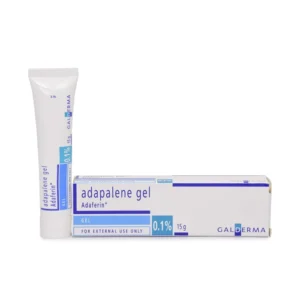
Adaferin Gel (Adapalene)
$27.00 $72.00Price range: $27.00 through $72.00
Next product
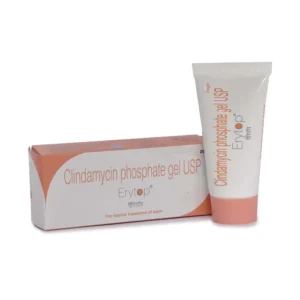
Erytop Gel (Clindamycin)
$26.00 $70.00Price range: $26.00 through $70.00
$21.00 $54.00Price range: $21.00 through $54.00
In Stock
In Stock
Adapen Gel (Adapalene)
| Pack Size | Price | Quantity | Add To Cart | |
|---|---|---|---|---|
| 3 Gel/s | $21.00 | |||
| 6 Gel/s | $39.00 | |||
| 9 Gel/s | $54.00 | |||
| Want to order in bulk / B2B price? Send Inquiry | ||||
×
Sorry!! Out of Stock
Sorry! Adapen Gel (Adapalene) is out of stock
Please click below to view other similar medications.
View All Adapalene Products
Offer You Can't Resist
Free Shipping
Enjoy Free Shipping on Orders above AUD304 (USD199)
Estimate Shipping :
07 June - 14 June
29
Excellent experience
Excellent experience with secure packaging and fast order processing
 Australia
May 17, 2026
Last Updated on October 03, 2025

Description
Acne is among the most frequent skin problems that affects millions of people around the world, and can lead to blackheads and pimples as well as whiteheads and occasionally cysts or even scarring. The search for a treatment to treat acne at the source can be difficult. However, Adapen gel, which contains an active component Adapalene, has been proven to be an efficient solution to tackling acne and improving the overall health of the skin.
In this complete guide, we’ll explore the basics of what Adapen Gel is and how it functions and its applications, instructions, the possibility of adverse reactions, warnings, as well as strategies to achieve the best performance.
What is Adapen Gel?
Adapen Gel can be described as a topically applied medicine formulated using Adapalene, which is an organic retinoid of the third generation. Retinoids originate from Vitamin A and are well-known as a way to control the turnover of skin cells and decrease inflammation. Both are key elements associated with acne development.
Adapen Gel is prescribed for the treatment of light to moderately sized acne vulgaris and helps to eliminate any acne that is present and stop any new acne lesions from developing.
How Does Adapen Gel Work?
Adapalene works by:
- Normalizing skin cell turnover: It stops the abnormal shedding of skin dead cells, which block pores. This is the primary reason for acne.
- Anti-inflammatory effects: It decreases the inflammation surrounding acne lesions and reduces swelling and redness.
- Preventing formation of new comedones: Keeping the pores clean prevents the formation of blackheads as well as whiteheads.
In contrast to antibiotics, Adapen is not a target for bacteria directly; instead, it makes an environment that reduces the growth of bacteria indirectly by preventing the clogging of pores.
Uses of Adapen Gel
Adapen Gel is indicated for:
- Treatment for moderate to mild acne vulgaris with the appearance of comedones (blackheads as well as whiteheads) and inflammatory acne lesions (papules as well as pustules).
- Preventing the formation of new acne lesions when it is used as an ongoing treatment following initial improvement.
- Most often, it is used with other acne treatment options like benzoyl peroxide or antibiotics to treat more severe acne.
How to Use Adapen Gel
- Cleanse the area by using a gentle non-comedogenic cleanser. Pat dry.
- Spread a thin layer of Adapen Gel daily, usually in the evening, and apply it to the entire region (face and chest area, as well as the back).
- Don’t apply a large amount. A pea-sized amount typically suffices.
- Do not touch your eyes, lips, and mucous membranes.
- Apply sunscreen throughout the day and avoid sun exposure. Adapalene may increase the skin’s sensitivity to sunlight.
- It could take between 8 to 12 weeks of regular use before you notice a noticeable improvement.
Possible Side Effects
Adapen Gel is generally well accepted; however, some people might experience:
- Skin irritation: Dryness, redness, peeling, or just a slight burning sensation, particularly during the first couple of weeks following the treatment.
- More sensitive to sunlight, needing sun protection.
- The rare allergic reaction can be an extreme rash or swelling.
They usually decrease when the skin adapts to the treatment. If itching persists or becomes worse, seek out your physician.
Precautions and Warnings
- Do not use other irritating skincare products (like Astringents, scrubs, and other components of retinoids) at the same time, without medical supervision.
- Consult your physician if you are planning to have a baby or are pregnant, as retinoids are generally not advised in pregnancy.
- Do not perform waxing or any other cosmetic procedures for your skin while applying Adapen Gel, as the skin could be more delicate.
- Keep the gel in a dry, cool location out of direct light.
Tips for Best Results
- Stay patient and persistent. The treatment of acne is a process that takes time.
- Make use of a soft moisturizer to combat dryness and irritation.
- Apply daily sunscreen to protect the skin from irritation.
- Do not squeeze or pick at the acne lesions in order to avoid the formation of scars.
- Keep in touch with your dermatologist frequently to check changes in your skin and alter treatment when required.
When to See a Doctor
See your physician if:
- Itchy skin or allergies.
- Acne gets worse or doesn’t disappear after 12 months of treatment.
- Signs of infection, like increased inflammation, pain, or bloody pus.
Conclusion
Adapen Gel (Adapalene) Adapalene Gel is a clinically proven, efficient solution for the treatment of minor to moderate breakouts. Through normalizing the turnover of skin cells and lessening inflammation, it aids in clearing acne spots and prevents the development of new ones. It promotes healthy and clear skin.
If you’re suffering from acne and need a proven treatment, consult with your dermatologist to determine if Adapen Gel could be the best option for your skin care regimen.
Additional Information
| Manufacturer | Intas Pharmaceuticals Ltd |
|---|---|
| Pharmaceutical | Gel |
| Strength | 0.10% |
| Pack Size | 3 Gel/s, 6 Gel/s, 9 Gel/s |
Related products



Reviews
There are no reviews yet.