

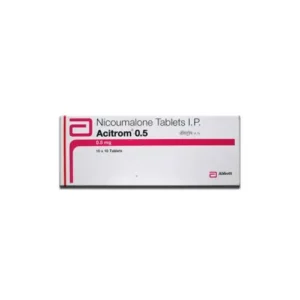
Acitrom 1mg (Nicoumalone)
Previous product
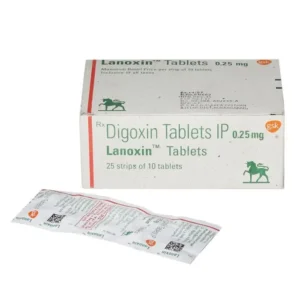
Lanoxin 0.25mg (Digoxin)
A$10.83 A$21.66Price range: A$10.83 through A$21.66
Next product

Nicardia CD 30mg (Nifedipine)
A$27.44 A$47.65Price range: A$27.44 through A$47.65
A$25.27 A$43.32Price range: A$25.27 through A$43.32
In Stock
In Stock
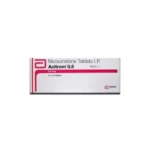
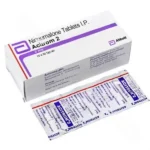
Acitrom 1mg (Nicoumalone)
| Pack Size | Price | Quantity | Add To Cart | |
|---|---|---|---|---|
| 60 Tablet/s | A$25.27 | |||
| 90 Tablet/s | A$36.10 | |||
| 120 Tablet/s | A$43.32 | |||
| Want to order in bulk / B2B price? Send Inquiry | ||||
×
Sorry!! Out of Stock
Sorry! Acitrom 1mg (Nicoumalone) is out of stock
Please click below to view other similar medications.
View All Nicoumalone Products
Offer You Can't Resist
Free Shipping
Enjoy Free Shipping on Orders above AUD304 (USD199)
Estimate Shipping :
19 July - 26 July
40
Last Updated on September 27, 2025

Description
Acitrom 1mg, which contains an active component Nicoumalone, is a prescription for oral anticoagulants frequently prescribed to stop and combat blood clots. It’s part of the category of Vitamin K antagonists. It has a crucial role to play in the management of various heart conditions in reducing the likelihood of clots that are harmful to the blood vessels. It is crucial for patients in danger of suffering from stroke and deep vein thrombosis (DVT) and pulmonary embolism, and various blood clot-related disorders.
What is Acitrom 1mg?
Acitrom 1 mg is an anticoagulant medication that is designed to prevent blood clotting through interfering with the actions of vitamin K, which is a vital component for the production of certain factors that cause clotting. The active component, Nicoumalone, works by suppressing the amount of vitamin K-dependent clotting factors II, VI, IX, VII, and X, which reduces the blood’s capacity to create blood clots.
How Does Acitrom 1mg Work?
Nicoumalone within Acitrom is a component that inhibits vitamin K epoxide reductase, an enzyme that recycles vitamin K within the liver. Through blocking this enzyme, Acitrom lowers the level of active vitamin K that is active that is vital in activating the clotting factor. This means that blood clot formation slows down, decreasing the danger of dangerous clots that might block veins and arteries.
Indications and Uses
Acitrom 1mg is a prescription medication for the treatment and prevention of a variety of conditions that can be caused by the formation of blood clots. These include:
- Prevention of strokes and embolism systemic for patients suffering from atrial fibrillation or artificial valves
- Prevention and treatment of deep vein thrombosis (DVT)
- The prevention of embolism in the pulmonary tract (PE)
- The treatment of patients suffering from myocardial infarction, to minimize the risk of thromboembolic complications
- Other thromboembolic diseases in which anticoagulation may be indicated
Dosage and Administration
The dose of Acitrom 1mg is dependent upon the individual’s medical condition, as well as the INR target (International Normalized Ratio) and the patient’s individual reaction to the treatment. Dosage must be monitored closely and adjusted according to regularly scheduled test results.
- The dose that is initially administered may differ; however, the typical doses for maintenance can range from 1mg to 10mg each day.
- The dose that is prescribed to patients is individualized and adjusted in accordance with INR values in order to keep the therapeutic effect of anticoagulation.
- Acitrom must be taken each day, either in combination with or without food.
- The consistency of diet, especially vitamin K consumption, is essential for maintaining anticoagulation.
Precautions and Contraindications
The Acitrom 1 mg dose requires careful surveillance and comes with several important safety measures to be taken:
- Bleeding risk: Patients who have Acitrom are at a higher risk of bleeding. This could result in a dangerous or life-threatening hemorrhage.
- Regular INR monitoring: The need for frequent blood tests is essential to ensure that the INR remains within the therapeutic limits and to avoid the risk of complications.
- Pregnancy: Acitrom is not recommended in pregnancy because of the potential for bleeding in fetuses and birth problems.
- Interactions: Acitrom can interact with many herbs, drugs, as well as foods (especially ones that are high in vitamin K) that can alter the anticoagulant effects of Acitrom.
- Liver disease: Be cautious in patients suffering from impaired liver function.
- Surgery and dental procedures: The patient should notify their healthcare provider before any procedures that involve invasive techniques to reduce the risk of bleeding.
Possible Side Effects
The adverse effects associated with Acitrom 1mg may vary from mild to serious:
- Common side effects:
- Gums that are easily bruised or bleeding
- Nosebleeds
- Long-term bleeding from a cut
- Serious side effects:
- Gastrointestinal bleeding
- Hemorrhagic stroke
- Hematuria (blood in urine)
- Severe bruising or hematoma formation
The patient should seek medical attention when they have abnormal bleeding, severe headaches, dizziness, or bleeding in urine or stool.
Benefits of Using Acitrom 1mg
- Effective prevention of thromboembolic events: Acitrom dramatically reduces the risk of stroke, DVT, and PE.
- Customizable dosing: Treatments can be customized according to regularly scheduled INR surveillance to ensure efficacy and security.
- Long history of clinical use: Anticoagulants based on Nicoumalone, such as Acitrom, have proven effective for managing blood clotting issues.
- Improved quality of life: Through preventing clot-related serious issues, Patients can enjoy an active lifestyle while taking a lower risk of developing.
Who Should Use Acitrom 1mg?
Acitrom 1mg is appropriate for those who need prolonged anticoagulation therapy because of:
- Atrial fibrillation
- Mechanical heart valves
- The history of venous thromboembolism
- A few cases of myocardial infarction
- Certain conditions can lead to the formation of blood clots
This product is not suitable for those with bleeding issues or severe liver diseases that are severe or who are unable to keep up with the regular monitoring of their blood.
Important Guidelines During Treatment
- Make sure you maintain a regular dietary vitamin K consumption.
- Do not drink alcohol, as it could affect your anticoagulation.
- Be sure to inform all health professionals regarding Acitrom usage.
- Use a medical ID to identify the anticoagulant treatment.
- Report immediately any indications of bleeding or any unusual symptoms.
- Check in regularly for the results of blood tests as well as dose adjustments.
Frequently Asked Questions
Q: How long does it take for Acitrom to work?
A: Acitrom generally lasts between 2 and 3 days as it begins affecting the factors that cause clotting, with the complete anticoagulant effects being seen in 5-7 days.
Q: Can I take other medications with Acitrom?
A: Certain medications can have interactions with Acitrom. Always check with your doctor prior to taking or stopping any medication.
Q: Is it safe to use Acitrom during pregnancy?
A: No, There is no need to worry, Acitrom isn’t recommended in pregnant women due to the risk of bleeding and birth defects.
Q: What foods should I avoid while taking Acitrom?
A: Vitamin K-rich foods like leafy green vegetables need to be taken regularly in moderate amounts.
Conclusion
Acitrom 1mg (Nicoumalone) is an important anticoagulant medicine that can help prevent potentially fatal blood clots in those who are at risk. Its vitamin K antagonist effect is effective in reducing the production of clotting factors and reducing the risk of suffering from stroke, deep vein thrombosis, and embolisms in the pulmonary artery. Due to the potent effect of this drug, Acitrom needs careful dosage and regular monitoring, as well as following medical guidelines to ensure the safety and effectiveness.
If you are a patient who requires an anticoagulation treatment, Acitrom 1mg offers a reliable and efficient alternative to safeguard against bleeding thromboembolic issues and enhance long-term results for health results.
Related products


Reviews
There are no reviews yet.