

AB Phylline 100mg capsules (Acebrophylline)
Previous product
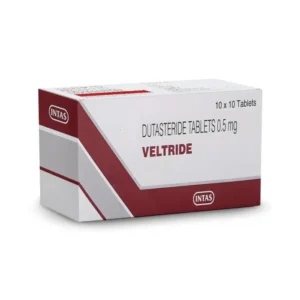
Veltride 0.5mg (Dutasteride)
$33.00 $75.00Price range: $33.00 through $75.00
Next product
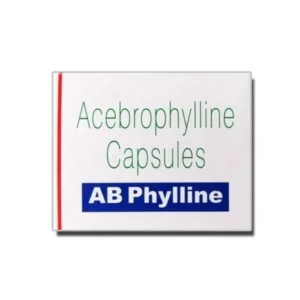
AB Phylline SR 200mg Tablets (Acebrophylline)
$16.00 $43.20Price range: $16.00 through $43.20
$15.00 $33.75Price range: $15.00 through $33.75
In Stock
In Stock
AB Phylline 100mg capsules (Acebrophylline)
| Pack Size | Price | Quantity | Add To Cart | |
|---|---|---|---|---|
| 30 Capsule/s | $15.00 | |||
| 60 Capsule/s | $23.75 | |||
| 90 Capsule/s | $33.75 | |||
| Want to order in bulk / B2B price? Send Inquiry | ||||
×
Sorry!! Out of Stock
Sorry! AB Phylline 100mg capsules (Acebrophylline) is out of stock
Please click below to view other similar medications.
View All Acebrophylline Products

Offer You Can't Resist
Free Shipping
Enjoy Free Shipping on Orders above AUD304 (USD199)
Estimate Shipping :
06 June - 13 June
31
Last Updated on September 22, 2025

Description
A Bronchodilator Designed for Respiratory Relief
The AB Phylline 100mg capsules are a source of Acebrophylline is the only bronchodilator to treat respiratory ailments, including chronic obstructive pulmonary disorder (COPD) and asthma. The medication aids in opening the airways, allowing breathing to be easier when someone suffers from wheezing, difficulty breathing, or tightness in the chest.
Acebrophylline is a combination of the advantages of bronchodilation and anti-inflammatory properties that provide relief from symptoms and better lung performance.
Who Can Benefit from AB Phylline?
AB Phylline is prescribed for teens and adults with:
- Chronic obstructive pulmonary disease (COPD)
- Bronchial asthma
- Chronic bronchitis
- Other airway obstructions in which bronchodilation is necessary
It’s intended to be utilized as part of a larger treatment program, which may comprise inhalers and other medicines.
How AB Phylline Works
Dual-Action Formula
Acebrophylline, a derivative of theophylline, has an anti-inflammatory property. Its mechanism of action includes:
| Action | Outcome |
| Bronchodilation | The smooth muscles relax in the airways in order to increase the flow of air |
| Anti-inflammatory properties | Lowers the inflammation of the respiratory tract. It reduces the production of mucus and swelling. |
| Mucolytic effect | It helps break down mucus and makes it easier to clean the lungs |
This can alleviate symptoms such as coughing, wheezing, and breathlessness while also improving general respiratory performance.
How to Take AB Phylline 100mg Capsules
Dosage Instructions
- Adult doses are typically 100 mg once a day or as directed by your physician.
- Capsules must be swallowed completely in water. Ideally, this should be done after meals to prevent stomach upset.
- Avoid chewing or crushing capsules.
Missed Dose
If you miss a dose, get the dose as soon as you recall, or until the time of the next dose. Never double the dosage.
Benefits of AB Phylline 100mg Capsules
| Benefit | Explanation |
| Dual bronchodilator and anti-inflammatory | It provides relief from symptoms and helps reduce inflammation of the airways |
| Improves breathing and lung function | It helps in breathing when there is an obstruction in breathing disorders |
| Mucolytic action | Clears mucus and helps reduce coughing and congestion |
| Oral formulation | The capsule is convenient and easy to use for dosage |
| Well tolerated | The drug is generally safe and has manageable adverse effects when taken in the manner directed |
Safety and Precautions
Possible Side Effects
Although generally tolerated, some adverse effects can be:
- Nausea or stomach discomfort
- Headache
- Dizziness
- The heartbeat may be irregular or erratic (rare)
- Restlessness or nervousness
Consult your physician if you have severe reactions, including chest pains or recurring palpitations.
Who Should Avoid AB Phylline?
- Hypersensitive individuals to Acebrophylline and theophylline.
- Heart patients with serious heart problems or arrhythmias
- Patients with hypertension that is not controlled
- A cautious approach is suggested for patients suffering from kidney or liver impairment.
Be sure to inform your doctor about any existing conditions or medications.
Drug Interactions
AB Phylline may interact with:
- Other theophylline-containing products (increased risk of toxicity)
- Certain antibiotics, like Ciprofloxacin, are among them.
- Anti-seizure medications
- Beta-blockers, as well as other heart and blood pressure medications
Discuss with your doctor all medicines and supplements that you’re using.
Storage Instructions
- Storage in a temperature below 30°C within a cool area
- Make sure capsules are kept in the original packaging
- Be sure to protect yourself from light and moisture
- Be sure to keep it out of the reach of young children
Summary of AB Phylline Benefits
| Key Benefit | Description |
| Combined bronchodilator and anti-inflammatory effect | Offers comprehensive respiratory relief |
| Helps reduce mucus and congestion | Increases your quality of life by alleviating coughing and breathing |
| Oral capsule for easy administration | It is suitable for the continuous management of chronic respiratory diseases |
| Well tolerated with appropriate use | Reduces the risk of adverse reactions when used in the manner directed |
Frequently Asked Questions (FAQs)
Q1: What conditions is AB Phylline used to treat?
The medication is utilized to control chronic respiratory disorders like asthma, COPD, and chronic bronchitis.
Q2: How does Acebrophylline improve breathing?
It eases muscles in the airways. It reduces inflammation, as well as assists in clearing mucus, which helps ease breathing.
Q3: Can AB Phylline be taken with food?
Yes, sure, taking capsules in between meals will help decrease the risk of stomach upset.
Q4: What should I do if I miss a dose?
It should be taken as quickly as you can, unless it’s near to the time of the time of your next dose. Don’t take more than one dose.
Q5: Are there any common side effects?
Certain people might feel nausea, headache, or dizziness. Seek medical advice for serious symptoms.
Q6: Can I use AB Phylline with other asthma medications?
Yes, however, you must always adhere to the advice of your physician regarding the complete treatment plan.
Q7: Is AB Phylline safe for long-term use?
The drug can be utilized for a long time under medical supervision in the context of the management of chronic respiratory diseases.
Q8: Can AB Phylline cause heart problems?
In rare instances, it could result in heartbeat irregularity or palpitations, particularly if it is taken in conjunction in conjunction with other medicines.
Q9: What should I avoid while taking AB Phylline?
Do not drink too much caffeine. Inform your physician of all medications to avoid interactions.
Q10: How should AB Phylline be stored?
Place in a cool and dry area below 30°C. Ensure capsules are kept in the original packaging.
Additional Information
| Manufacturer | Sun Pharmaceutical Industries Ltd |
|---|---|
| Pharmaceutical | Capsule/s |
| Strength | 100 mg |
| Pack Size | 30 Capsule/s, 60 Capsule/s, 90 Capsule/s |
Related products
Recently Viewed


Reviews
There are no reviews yet.