How to sleep 8hrs in 4 hrs? Understanding Sleep Quality and Wakefulness
Can You Sleep 8 Hours in 4 Hours? Understanding Sleep Quality and Wakefulness
Getting enough sleep is essential for maintaining physical health, mental well-being and everyday performance. However, busy schedules, demanding work routines, stress and sleep disorders can make it difficult to get a full night’s rest. As a result, many people search online for questions such as “How to sleep 8hrs in 4 hrs” or “how to get 8 hrs of sleep in 4 hours.”
The idea of sleeping for only four hours while receiving the same benefits as eight hours of sleep sounds appealing, particularly for people with demanding lifestyles. However, the human body cannot reliably compress its normal sleep requirements into half the usual time. Sleep duration and sleep quality are both important, and one cannot simply replace the other.
There are also two different sleep-related concerns worth understanding. Some people struggle to fall asleep or remain asleep, which may be associated with insomnia. Others experience excessive daytime sleepiness despite having sufficient opportunities to sleep, which may be associated with conditions such as narcolepsy.
Medicines such as zopiclone and modafinil are used in different clinical circumstances. Understanding their purposes, limitations and safety considerations can help readers distinguish between sleep difficulties and excessive daytime sleepiness.
How to Sleep 8 Hours in 4 Hours: Is It Really Possible?
A common question is how to sleep 8 hours in 4 hours without feeling tired the following day. Although some people naturally need slightly less sleep than others, most adults require approximately seven to nine hours of sleep each night.
Sleep is not simply a period when the body becomes inactive. It is a complex biological process involving different stages, including non-rapid eye movement (NREM) sleep and rapid eye movement (REM) sleep.
During these stages, the body performs several important functions:
- Supports memory formation and learning.
- Helps regulate mood and emotional responses.
- Supports immune system function.
- Contributes to tissue repair and physical recovery.
- Helps maintain attention, concentration and decision-making abilities.
- Supports normal metabolic and cardiovascular health.
Sleeping for four hours may provide some restorative benefits, but it does not consistently provide the same overall recovery as a full night’s sleep.
People who regularly restrict their sleep may experience reduced concentration, irritability, slower reactions and difficulty remembering information. They may also underestimate how much their performance has been affected.
Rather than trying to achieve eight hours of sleep in four hours, a healthier approach is to improve sleep quality while allowing enough time for adequate rest.
Understanding the Difference Between Insomnia and Narcolepsy
Insomnia and narcolepsy are two distinct sleep disorders. Although both can affect daily functioning, their symptoms and treatment approaches are different.
What Is Insomnia?
Insomnia is a sleep disorder characterised by difficulty falling asleep, staying asleep or waking up earlier than intended. People experiencing insomnia may spend sufficient time in bed but still struggle to obtain refreshing sleep.
Common symptoms include:
- Taking a long time to fall asleep.
- Waking up repeatedly during the night.
- Waking earlier than planned.
- Feeling tired after waking.
- Experiencing daytime irritability or reduced concentration.
- Finding it difficult to maintain normal daily activities.
Insomnia can be associated with stress, anxiety, irregular sleep schedules, environmental disturbances, medical conditions and certain medications.
For some individuals, insomnia is temporary. For others, it can become a persistent problem that requires professional assessment and treatment.
What Is Narcolepsy?
Narcolepsy is a neurological sleep disorder that affects the brain’s ability to regulate normal sleep-wake patterns.
People with narcolepsy may experience excessive daytime sleepiness even when they have had sufficient opportunities to sleep at night.
Possible symptoms include:
- Persistent daytime sleepiness.
- Sudden episodes of falling asleep.
- Difficulty maintaining alertness.
- Disturbed night-time sleep.
- Sleep paralysis.
- Vivid dream-like experiences when falling asleep or waking up.
Some people with narcolepsy also experience cataplexy, which involves sudden muscle weakness triggered by strong emotions.
Unlike insomnia, narcolepsy is not simply a problem of insufficient night-time sleep. It is a neurological condition that requires appropriate diagnosis and long-term medical management.
Zopiclone and Insomnia: Understanding Its Role in Sleep Treatment
Zopiclone is a prescription medicine belonging to a group of medicines known as non-benzodiazepine hypnotics, commonly called Z-drugs.
It is used for the short-term treatment of insomnia in appropriate patients. It works by affecting activity in the central nervous system to produce a calming and sleep-promoting effect.
Doctors may consider zopiclone when sleep difficulties are significantly affecting a person’s well-being and other approaches have not been sufficient or are not appropriate.
How Does Zopiclone Work?
Zopiclone acts on the brain’s GABA-related signalling system. GABA is an inhibitory neurotransmitter that helps regulate nervous system activity.




By enhancing inhibitory signalling, zopiclone produces sedative effects that may help people fall asleep and reduce night time awakenings.
However, it is important to understand that zopiclone does not eliminate the underlying causes of insomnia. It is generally intended for short-term treatment rather than serving as a permanent solution to ongoing sleep difficulties.
Important Safety Considerations
Zopiclone should only be used under medical supervision. It can cause side effects such as:
- A bitter or metallic taste.
- Drowsiness the following day.
- Dizziness.
- Dry mouth.
- Reduced alertness.
- Problems with coordination.
Longer use can increase the risk of tolerance, dependence and withdrawal symptoms.
Alcohol and other medicines that cause sedation can increase the risk of excessive central nervous system depression. People should follow their prescriber’s instructions and avoid driving or operating machinery if they feel impaired.
Zopiclone is not a way to obtain eight hours of restorative sleep in four hours. Its purpose is to help manage certain forms of insomnia, not to reduce the body’s normal sleep requirements.
Modafinil and Narcolepsy: Understanding Its Role in Wakefulness
Modafinil is a prescription wakefulness-promoting medicine used in certain conditions associated with excessive daytime sleepiness, including narcolepsy.
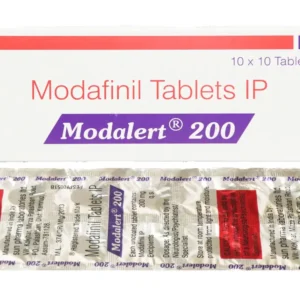

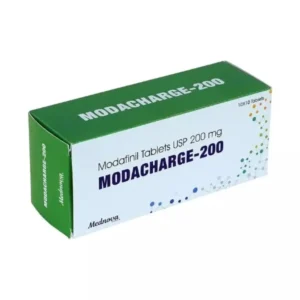

Unlike zopiclone, which promotes sleep, modafinil helps promote wakefulness.
This distinction is particularly important for people researching how to sleep 8 hours in 4 hours. Modafinil does not shorten the body’s required sleep duration or replace the restorative functions of night time sleep.
How Does Modafinil Work?
Modafinil acts on several brain pathways involved in regulating wakefulness and alertness. Its precise mechanism of action is not completely understood, but its effects involve changes in neurotransmitter activity.
It may help people with certain diagnosed sleep disorders remain more alert during the day.
Modafinil is not a general treatment for insufficient sleep. Someone who regularly sleeps only four hours because of work, lifestyle choices or poor sleep habits should not use it as a substitute for adequate rest.
Modafinil Brands and Product Names
People researching modafinil may encounter different brand names and tablet strengths. Some examples include:
- Modalert 100: A modafinil product name commonly encountered in online searches.
- Modalert 200: Another commonly searched modafinil product name.
- Modaheal 200: A brand name associated with modafinil.
- Modafresh 200: Another product name associated with modafinil.
These names refer to products marketed as containing modafinil, but brand names and strengths alone do not establish product quality, regulatory approval or suitability for an individual.
Patients should verify the active ingredient, product registration, source and prescribing requirements before considering any medicine. Availability and regulatory status may differ between countries.
Important Safety Considerations
Modafinil is not suitable for everyone. Possible adverse effects include:
- Headache
- Nausea
- Anxiety or nervousness
- Difficulty sleeping
- Dizziness
- Reduced appetite
Rare but serious reactions can include severe skin reactions and psychiatric symptoms. Medical assessment is important, particularly for people with cardiovascular conditions, mental health concerns or other ongoing medical problems.
Modafinil can also interact with other medicines, including hormonal contraceptives, potentially reducing their effectiveness. Patients should discuss contraception and other medicines with their healthcare professional.
It should only be used according to a qualified prescriber’s instructions.
Zopiclone vs Modafinil: What Is the Difference?
Although both medicines are associated with sleep-related conditions, they have different purposes and should not be considered interchangeable.
| Feature | Zopiclone | Modafinil |
|---|---|---|
| Main purpose | Promotes sleep | Promotes wakefulness |
| Associated condition | Insomnia | Narcolepsy and certain other sleepiness-related conditions |
| General effect | Sedative-hypnotic | Wakefulness-promoting |
| Main clinical concern | Difficulty sleeping | Excessive daytime sleepiness |
| Medical supervision | Required | Required |
The most important distinction is that zopiclone may help manage short-term insomnia, whereas modafinil may help manage excessive daytime sleepiness associated with certain diagnosed conditions.
Neither medicine makes four hours of sleep equivalent to eight hours.
How to Improve Sleep Quality Naturally?
If you regularly struggle with sleep, improving your sleep habits can be a useful starting point. Healthy sleep routines may help regulate your body’s internal clock and support more consistent rest.
1. Maintain a Consistent Sleep Schedule
Try to go to bed and wake up at approximately the same time every day, including weekends.
A consistent schedule helps regulate the body’s circadian rhythm, which influences the natural sleep-wake cycle.
2. Create a Comfortable Sleeping Environment
Your bedroom should be quiet, dark and comfortable.
Consider reducing unnecessary noise, keeping the room at a comfortable temperature and using suitable curtains to minimise external light.
3. Reduce Screen Exposure Before Bedtime
Phones, tablets and computers can keep your mind engaged when you are preparing to sleep.
Establishing a relaxing period without screens before bedtime may help make the transition to sleep easier.
4. Limit Caffeine in the Afternoon and Evening
Coffee, tea, energy drinks and some soft drinks contain caffeine, which can interfere with sleep.
Reducing caffeine consumption later in the day may help improve sleep quality, particularly for people who are sensitive to its effects.
5. Exercise Regularly
Regular physical activity supports general health and may contribute to better sleep.
However, some people find intense exercise close to bedtime stimulating. Finding a suitable exercise schedule can help support a consistent sleep routine.
6. Develop a Relaxing Bedtime Routine
Activities such as reading, gentle stretching, breathing exercises or taking a warm shower may help you relax before going to bed.
A predictable routine can make it easier to prepare mentally and physically for sleep.
When Should You Speak to a Healthcare Professional?
Occasional sleep difficulties are common, but persistent problems should not be ignored.
Consider seeking medical advice if you:
- Frequently struggle to fall asleep or stay asleep.
- Feel exhausted despite spending enough time in bed.
- Experience excessive daytime sleepiness.
- Have difficulty concentrating because of tiredness.
- Frequently wake up gasping or choking.
- Experience sudden episodes of falling asleep during daily activities.
- Need sleep medicines regularly to manage night time difficulties.
A healthcare professional can assess your symptoms, medical history, lifestyle and existing medications to identify possible causes.
Depending on the symptoms, further assessment or a sleep study may be recommended.
Conclusion
Searching for how to sleep 8 hours in 4 hours often reflects a desire to improve productivity, manage a busy schedule or overcome ongoing tiredness. However, reducing sleep duration is not a substitute for improving sleep quality.
Insomnia and narcolepsy are different medical conditions that require different approaches. Zopiclone may be prescribed for short-term insomnia treatment, while modafinil may be prescribed to manage excessive daytime sleepiness associated with narcolepsy and certain other conditions.
Products such as Modalert 100, Modalert 200, Modaheal 200 and Modafresh 200 are associated with modafinil, but their use should always be guided by appropriate medical advice.
The most effective long-term approach is to understand the reason behind your sleep difficulties, maintain healthy sleep habits and seek professional guidance when symptoms persist. Good sleep is not simply about spending fewer hours in bed; it is about giving your body the time and conditions it needs to recover.
Know About
Most common causes of sleep problems
What causes you not to sleep
What causes a person not to sleep
Will my insomnia ever go away
How do I beat insomnia
How much deep sleep do I need
How to cure insomnia quickly
How much deep sleep do you need by age
Treatment of insomnia in females