
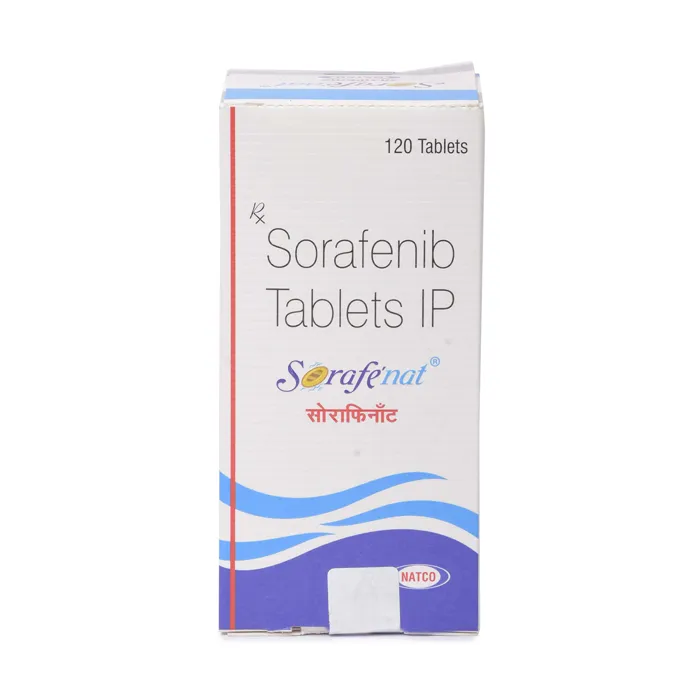
Sorafenat 200mg (Sorafenib)
Previous product
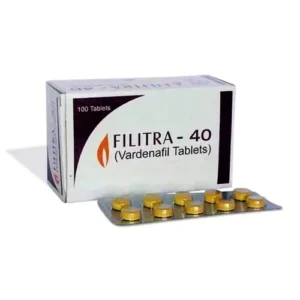
Filitra 40mg (Vardenafil)
A$79.00 A$131.00Price range: A$79.00 through A$131.00
Next product
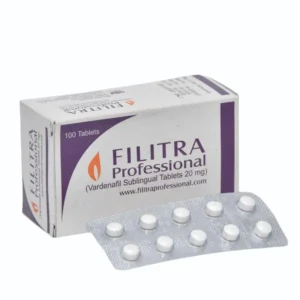
Filitra Professional 20mg (Vardenafil)
A$68.00 A$112.00Price range: A$68.00 through A$112.00
A$160.00 A$450.00Price range: A$160.00 through A$450.00
In Stock
In Stock
Sorafenat 200mg (Sorafenib)
| Pack Size | Price | Quantity | Add To Cart | |
|---|---|---|---|---|
| 120 Tablet/s | A$160.00 | |||
| 240 Tablet/s | A$310.00 | |||
| 360 Tablet/s | A$450.00 | |||
| Want to order in bulk / B2B price? Send Inquiry | ||||
×
Sorry!! Out of Stock
Sorry! Sorafenat 200mg (Sorafenib) is out of stock
Please click below to view other similar medications.
View All Sorafenib Products
Offer You Can't Resist
Free Shipping
Enjoy Free Shipping on Orders above AUD304 (USD199)
Estimate Shipping :
22 August - 29 August
45
Secure Packaging
My order was packaged carefully and arrived in good condition. The whole process was handled professionally, and communication was excellent. Thank you for the great service
 Australia
August 18, 2026
Last Updated on June 07, 2026

Description
Overview:
Sorafenat 200mg, is also known as its common term Sorafenib, it is an oral inhibitor of multikinase that is used for chemotherapy for cancer. It inhibits the growth of tumors, cancer cells, and angiogenesis (the creation of blood vessels that are not yet formed). Sorafenib is typically prescribed to those suffering from the advanced stages of cancer in their livers (hepatocellular carcinoma), advanced renal cell cancer (kidney cancer), and other forms of cancer in which its anti-cancer effects have been proven to be effective.
Pharmacological Classification:
- Generic Name: Sorafenib
- Brand Name: Sorafenat
- Strength: 200mg
- Drug Class: Multikinase Inhibitor
- Therapeutic Use: Antineoplastic (anti-cancer drug)
Mechanism of Action:
Sorafenib is a drug that blocks the activities of multiple kinases in the signaling of tumor cells and angiogenesis. It targets:
- RAF Kinase: Essential MAPK (mitogen-activated protein Kinase) pathway that is responsible for cellular growth and survival.
- VEGFR (Vascular Endothelial Growth Factor Receptor): The inhibition of VEGFR stops the development of new blood vessels, which are required for tumor growth.
- PDGFR (Platelet-Derived Growth Factor Receptor): The inhibition of PDGFR stops the proliferation of cancerous cells.
- c-KIT: A tyrosine-kinase receptor that is involved in the growth of cells as well as survival.
- FLT-3: A receptor that regulates hematopoiesis and influences certain cancers.
By targeting the kinases involved, Sorafenib reduces the growth rate of tumors that are cancerous and blocks the creation of new blood vessels, which supply cancerous tumors with the necessary nutrition and oxygen.
Indications:
Sorafenat 200mg is prescribed for the treatment of:
- Hepatocellular Carcinoma (HCC): The most frequent kind of cancer in the liver is found in patients who aren’t suitable for transplantation surgery or a liver transplant.
- Renal Cell Carcinoma (RCC): Kidney cancers that are advanced, especially those who’ve failed treatment previously.
- Differentiated Thyroid Carcinoma (DTC): When the cancer is resistant to radioactive Iodine treatment.
Dosage and Administration:
- Adult Dosage: For adults, the recommended dose is 400 mg (two 200 mg tablets) consumed orally two times a daily, about 12 hours apart. It is the suggested dosage for the beginning, but the dosage can be modified depending on the patient’s reaction to treatment and tolerance.
- Renal Impairment: The need for dose adjustments is common in patients suffering from renal impairment.
- Hepatic Impairment: Sorafenib is to be taken cautiously in patients suffering from moderate or mild hepatic impairment.
- Administration: Sorafenat must be consumed with a full stomach at least an hour prior to or two hours after having a meal.
Contraindications:
- Sorafenat isn’t recommended to people who have an allergy to Sorafenib or other ingredients of the formula.
- Pregnancy: Sorafenib is categorized as a category D drug in pregnancy. This means it could harm the foetus, and is not recommended until the benefit is greater than the potential risk.
- Lactation: Women breastfeeding must avoid taking Sorafenat because of the possibility to excret in breast milk.
Warnings and Precautions:
- Cardiovascular Events: Sorafenib could increase the risk of heart failure or hypertension. The blood pressure must be checked frequently.
- Hepatic Toxicity: The function of the liver should be observed attentively, in particular for patients who have preexisting liver issues.
- Bleeding Risk: Sorafenib could increase the risk of bleeding. This includes an intracranial hemorrhage or gastrointestinal hemorrhage and other bleeding-related events.
- Wound Healing Complications: Sorafenib could hinder the healing of wounds, which is why it must be avoided in those who undergo surgery or have recently sustained injuries.
- Skin Reactions: Skin-related adverse reactions, including rashes and hand-foot skin reactions, and erythema, are all common.
Common Side Effects:
- Fatigue
- Diarrhea
- Rash
- Hypertension
- Hand-foot syndrome (pain, redness, swelling, and blisters on the palms and soles)
- Appetite loss
- Nausea
- Weight loss
- Liver dysfunction (increase in liver enzymes)
- Hair thinning
Serious Side Effects:
- Severe bleeding (e.g., gastrointestinal bleeding, lung bleeding)
- Liver failure
- Cardiovascular events (e.g., heart failure, arrhythmias)
- Severe skin reactions
Drug Interactions:
- CYP3A4 Inhibitors: The use of concurrently strong CYP3A4 inhibitors (e.g., ketoconazole, Ritonavir) can increase the amount of Sorafenib in the blood.
- CYP3A4 Inducers: The use of drugs such as rifampicin or phenytoin, which trigger CYP3A4 function, may diminish the efficacy of Sorafenib.
- Anticoagulants: Sorafenib could raise the risk of bleeding in combination with blood thinners (e.g., warfarin, aspirin).
- Other Chemotherapy Drugs: Be cautious when you combine Sorafenib in conjunction with other cancer treatments.
Storage:
- Store Sorafenat at ambient temperatures (20-25°C) and away from heat and moisture.
- Make sure that the area is safe for young children.
FAQs about Sorafenat 200mg (Sorafenib)
What is Sorafenat 200mg used for?
Sorafenat 200mg is commonly used to treat certain kinds of cancers, such as the advanced form of liver cancer (Hepatocellular Carcinoma), kidney cancer (Renal Cell Carcinoma), and thyroid cancers that do not respond to treatments other than.
How should I take Sorafenat 200mg?
Sorafenat can be consumed as two tablets of 200 mg, taken twice a day (morning and evening). It is best to take it on an empty stomach. It is crucial to consume it for at least an hour before, or for two hours before, or two hours after eating.
What are the common side effects of Sorafenat?
The most common side effects include the following: diarrhea, fatigue, rash, hand-foot syndrome (pain and redness of the soles and palms), along with nausea and loss of appetite. A majority of the side effects are not severe and are temporary.
Can Sorafenat be taken with other medications?
Sorafenat can interact with a variety of medicines, such as blood thinners, various chemotherapy medications, as well as those that alter the liver’s enzymes (CYP3A4 inhibitors or inducers). Be sure to inform your physician about any other medication you’re using.
What should I do if I miss a dose?
If you have missed a dose of Sorafenat, be sure to make sure to take it in the moment you can, unless it’s almost time to get the next dose. Take two doses in one go to cover an absence.
Is Sorafenat safe during pregnancy and breastfeeding?
It is not advised to take Sorafenat for pregnant women since it can cause harm to the embryo. The drug should not be used when breastfeeding because it’s not clear if the medication is absorbed into breast milk.
Are there any dietary restrictions while taking Sorafenat?
There isn’t any specific diet restriction for Sorafenat. However, it is recommended to be consumed on an empty stomach to ensure optimal absorption.
Can Sorafenat cure cancer?
Sorafenat does not provide a cure for cancer. It’s a treatment that slows the progression of cancer and enhances the survival rate of patients suffering from advanced-stage cancer. The effectiveness of this drug varies from patient to patient.
What should I do if I experience severe side effects?
If you have serious side effects like severe bleeding, chest pain, or shortness of breath, or symptoms of damage to the liver (yellowing of your eyes, skin, or black urine), get medical help immediately.
How long will I need to take Sorafenat?
The time frame for treatment with Sorafenat will depend on the type of cancer being treated, as well as your responses to the treatment. The healthcare professional will decide the treatment duration in accordance with ongoing tests.
Summary:
Sorafenat 200mg is a potent multikinase inhibitor that is used for treating kidney cancer, liver cancer, and, in some cases, thyroid cancer. Blocking specific enzymes and growth factors that aid in cancer growth aids in limiting the spread of cancer. Even though Sorafenat has many benefits, it can cause several potential adverse effects that include irritation to the skin, fatigue, as well as more serious issues, including liver damage and bleeding. Monitoring by a health specialist is vital for patients taking this drug to monitor the efficacy of the drug and control any potential negative side effects.
Additional Information
| Pack Size | 120 Tablet/s, 240 Tablet/s, 360 Tablet/s |
|---|
Related products


Reviews
There are no reviews yet.