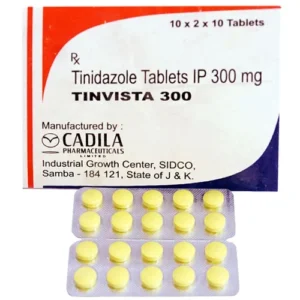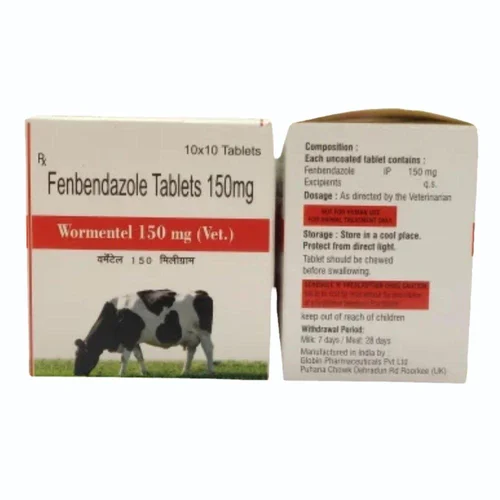
Wormentel 150mg (vet.)
Previous product
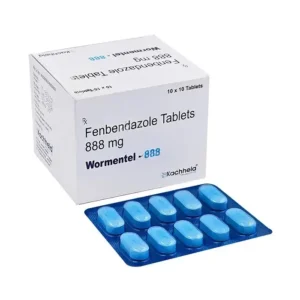
Wormentel 888mg
$50.00 $125.00Price range: $50.00 through $125.00
Next product
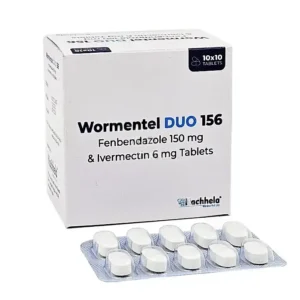
Wormentel Duo 156mg
$88.00 $213.00Price range: $88.00 through $213.00
$18.00 $70.00Price range: $18.00 through $70.00
In Stock
In Stock
Wormentel 150mg (vet.)
| Pack Size | Price | Quantity | Add To Cart | |
|---|---|---|---|---|
| 100 Tablet/s | $18.00 | |||
| 200 Tablet/s | $35.00 | |||
| 300 Tablet/s | $45.00 | |||
| 500 Tablet/s | $70.00 | |||
| Want to order in bulk / B2B price? Send Inquiry | ||||
Offer You Can't Resist
Free Shipping
Enjoy Free Shipping on Orders above AUD304 (USD199)
Estimate Shipping :
30 August - 06 September
33
Last Updated on June 29, 2026

Description
Wormentel 150mg (Vet.) is a veterinary antiparasitic medicine formulated to help control and eliminate a broad range of internal parasites in animals. Parasite infestations can significantly affect an animal’s health, growth, immunity, productivity, and overall quality of life. Regular deworming using an effective veterinary medicine helps maintain healthy livestock and companion animals while reducing the risk of parasite transmission within herds or groups.
Wormentel 150mg is commonly used under veterinary supervision as part of a comprehensive parasite management program. It is designed to target susceptible worms that live in the gastrointestinal tract and other body systems depending on the type of parasite involved.
Whether used in livestock, farm animals, or other veterinary applications as advised by a veterinarian, routine parasite control helps improve feed efficiency, weight gain, reproduction, and overall animal wellbeing.
What is Wormentel 150mg (Vet.)?
Wormentel 150mg (Vet.) is a veterinary deworming medicine used to treat parasitic worm infections in animals. It belongs to the group of medicines known as anthelmintics, which work by eliminating worms from the animal’s body.
Internal parasites may include:
- Roundworms
- Hookworms
- Whipworms
- Lungworms
- Stomach worms
- Certain intestinal parasites
- Other susceptible helminths
The exact parasites controlled depend on the active ingredient and veterinary recommendations.
Routine deworming helps protect animals from serious health complications caused by parasitic infections, including poor growth, diarrhoea, weight loss, anaemia, weakness, reduced milk production, and decreased fertility.
Key Features of Wormentel 150mg (Vet.)
- Broad-spectrum antiparasitic activity
- Helps eliminate harmful internal worms
- Supports digestive health
- Improves nutrient absorption
- Promotes healthy weight gain
- Supports better productivity in livestock
- Easy oral administration (as prescribed)
- Suitable for veterinary use only
- Helps reduce parasite contamination within groups
- Can be incorporated into routine parasite control programmes
Uses of Wormentel 150mg (Vet.)
Veterinarians may prescribe Wormentel 150mg for treating or controlling various parasitic infections affecting animals.
Common uses include:
Treatment of Gastrointestinal Worms
Digestive tract parasites reduce nutrient absorption and interfere with normal growth. Treatment helps restore digestive health.
Control of Roundworms
Roundworms are among the most common parasites affecting domestic and farm animals. Early treatment prevents complications.
Management of Hookworm Infections
Hookworms feed on blood and may lead to anaemia, weakness, and poor body condition.
Whipworm Treatment
Whipworms can cause persistent diarrhoea, intestinal inflammation, dehydration, and weight loss.
Lungworm Control
Certain parasites affect the respiratory system and may cause coughing or breathing difficulties.
Routine Preventive Deworming
Many veterinarians recommend scheduled deworming programmes to minimise parasite burdens throughout the year.
Benefits of Wormentel 150mg (Vet.)
Using an effective dewormer offers numerous health and productivity benefits.
Eliminates Harmful Worms
The medicine targets susceptible parasites living inside the body.
Improves Animal Health
Animals often become more active and healthier after successful parasite treatment.
Supports Better Growth
Young animals particularly benefit from improved nutrient absorption following deworming.
Increases Feed Efficiency
Healthy animals convert feed into body weight more effectively.
Improves Productivity
Livestock may experience better growth performance, milk production, reproductive performance, and overall condition.
Reduces Disease Risk
Lower parasite burdens reduce the likelihood of severe infestations and associated illnesses.
Supports Herd Health
Routine parasite management reduces environmental contamination and limits parasite transmission among animals.
How Does Wormentel 150mg (Vet.) Work?
Anthelmintic medicines work by disrupting essential biological functions within parasites.
Depending on the active ingredient, the medicine may:
- Interfere with parasite metabolism
- Block nerve transmission
- Cause paralysis of worms
- Prevent energy production
- Damage parasite cells
- Stop reproduction
- Allow worms to be naturally expelled from the digestive tract
Once the parasites are eliminated, the animal’s digestive system can recover, allowing improved nutrient absorption and better overall health.
Animals That May Benefit
Veterinarians may recommend Wormentel 150mg for suitable animal species depending on approved indications.
These may include:
- Cattle
- Sheep
- Goats
- Horses
- Dogs
- Other animals as directed by a veterinarian
Always confirm species suitability before administration.
Signs That an Animal May Need Deworming
Parasitic infections do not always produce obvious symptoms initially.
Common warning signs include:
- Weight loss
- Poor growth
- Rough coat
- Reduced appetite
- Diarrhoea
- Constipation
- Bloated abdomen
- Weakness
- Anaemia
- Coughing
- Worms visible in faeces
- Poor body condition
- Reduced milk production
- Lower fertility
- General poor performance
Veterinary diagnosis is recommended before treatment.
Dosage of Wormentel 150mg (Vet.)
The correct dosage depends on several important factors.
These include:
- Animal species
- Body weight
- Type of parasite
- Severity of infection
- Overall health
- Veterinary diagnosis
- Previous deworming history
Never estimate body weight. Accurate dosing ensures maximum effectiveness while reducing the risk of underdosing or overdosing.
Follow the veterinarian’s prescribed dosage schedule carefully.
How to Administer Wormentel 150mg (Vet.)
Administration should follow veterinary instructions.
General recommendations include:
- Weigh the animal accurately.
- Administer the correct dose.
- Complete the full treatment if multiple doses are required.
- Monitor the animal after treatment.
- Ensure access to clean drinking water.
- Observe hygiene practices to minimise reinfection.
- Follow herd deworming protocols where appropriate.
Importance of Routine Parasite Control
Regular parasite management offers long-term health benefits.
A planned deworming programme may help:
- Improve herd productivity
- Reduce parasite contamination
- Lower disease transmission
- Improve animal welfare
- Enhance reproductive performance
- Increase weight gain
- Improve feed conversion efficiency
- Support long-term farm profitability
Veterinarians may also recommend pasture management and rotational grazing to reduce parasite exposure.
Possible Side Effects
Most animals tolerate veterinary deworming medicines well when used correctly.
Some animals may experience temporary side effects such as:
- Mild digestive upset
- Reduced appetite
- Temporary diarrhoea
- Soft stools
- Lethargy
- Mild salivation
- Vomiting (in some species)
- Temporary discomfort after dosing
These effects are generally mild and short-lived.
If severe reactions occur, discontinue use and seek veterinary advice immediately.
Precautions Before Use
Before administering Wormentel 150mg, consider the following precautions:
- Use only for veterinary purposes.
- Keep out of reach of children.
- Do not exceed the prescribed dose.
- Follow veterinary recommendations carefully.
- Inform your veterinarian about existing illnesses.
- Use caution in pregnant or breeding animals if advised.
- Avoid administering expired medication.
- Follow species-specific treatment recommendations.
Animals Requiring Extra Care
Additional veterinary supervision may be required for:
- Very young animals
- Pregnant animals
- Lactating animals
- Elderly animals
- Animals recovering from illness
- Animals with liver disease
- Animals with kidney disease
- Severely debilitated animals
A veterinarian can determine whether treatment is appropriate in these situations.
Drug Interactions
Before administering Wormentel 150mg (Vet.), inform your veterinarian about any medications, supplements, or veterinary treatments your animal is currently receiving. Certain medicines may alter the effectiveness of deworming therapy or increase the risk of adverse reactions.
Potential interactions may occur with:
- Other antiparasitic medications
- Antibiotics
- Anti-inflammatory medicines
- Vitamin and mineral supplements
- Liver-metabolised medications
- Immune-modulating drugs
Never combine veterinary medicines without professional guidance.
Contraindications
Wormentel 150mg (Vet.) may not be suitable for every animal.
Do not administer the medicine if:
- The animal has a known allergy to the active ingredient or any inactive ingredients.
- It is intended for a species not listed on the veterinary label.
- The medicine has expired or the packaging is damaged.
- A veterinarian advises against its use due to an existing medical condition.
- The animal has previously experienced a serious adverse reaction to similar deworming medicines.
Always consult a veterinarian if you are unsure whether this medication is appropriate for your animal.
Missed Dose
If a scheduled dose is missed:
- Administer the dose as soon as you remember.
- If it is nearly time for the next scheduled dose, skip the missed dose.
- Continue with the normal dosing schedule.
- Do not administer two doses at the same time unless instructed by a veterinarian.
Maintaining a regular deworming schedule is important for effective parasite control.
Overdose
Giving more than the recommended dose may increase the risk of side effects.
Possible signs of overdose include:
- Excessive salivation
- Vomiting
- Severe diarrhoea
- Muscle weakness
- Loss of coordination
- Tremors
- Depression
- Difficulty standing
- Reduced appetite
If an overdose is suspected, contact your veterinarian immediately. Prompt treatment can help minimise complications.
Storage Instructions
Proper storage helps maintain the medicine’s effectiveness.
Store Wormentel 150mg (Vet.):
- At room temperature unless otherwise directed.
- In a cool, dry place.
- Away from direct sunlight.
- Protected from excessive heat and moisture.
- In its original packaging.
- Out of reach of children and pets.
- Away from food and animal feed.
Do not use the medicine after its expiry date.
Hygiene Measures to Prevent Reinfection
Successful treatment involves more than simply administering medication. Good hygiene and environmental management help reduce the risk of reinfection.
Recommended practices include:
- Remove animal waste regularly.
- Keep living areas clean and dry.
- Disinfect feeding and watering equipment.
- Rotate grazing areas when possible.
- Avoid overcrowding.
- Quarantine newly introduced animals.
- Follow routine veterinary health checks.
- Implement regular parasite monitoring programmes.
These measures help reduce parasite eggs and larvae in the environment.
Importance of Regular Veterinary Check-Ups
Routine veterinary examinations help detect parasite problems before they become severe.
Regular health assessments may include:
- Physical examination
- Faecal parasite testing
- Weight monitoring
- Nutritional assessment
- Deworming schedule review
- Vaccination updates
- General health screening
Early intervention often results in better treatment outcomes and healthier animals.
Withdrawal Period
For food-producing animals, a withdrawal period may apply before meat or milk can be used for human consumption.
The withdrawal period depends on:
- The active ingredient
- Animal species
- National veterinary regulations
- Product formulation
Always follow the withdrawal instructions provided on the product label or by your veterinarian to ensure food safety.
Why Regular Deworming Matters
Internal parasites can significantly reduce animal health and farm productivity.
Routine parasite control may help:
- Improve weight gain
- Enhance feed conversion efficiency
- Support healthy growth
- Reduce mortality in young animals
- Improve reproductive performance
- Increase milk production
- Promote healthier coats
- Reduce disease transmission
- Improve overall welfare
A consistent parasite management programme is one of the most effective ways to maintain healthy livestock and companion animals.
Frequently Asked Questions (FAQs)
1. What is Wormentel 150mg (Vet.) used for?
It is a veterinary antiparasitic medicine used to treat and control susceptible internal worm infections in animals.
2. Can Wormentel 150mg be used as a preventive treatment?
Yes. Veterinarians often recommend scheduled deworming programmes to help prevent parasite infestations and maintain animal health.
3. Which animals can receive Wormentel 150mg?
It should only be used in animal species approved on the product label or as directed by a veterinarian.
4. How often should animals be dewormed?
The ideal schedule varies depending on the animal species, age, environment, parasite risk, and veterinary recommendations.
5. How quickly does the medicine begin working?
The medicine begins acting after administration, although complete elimination of parasites may take several days depending on the type and severity of the infestation.
6. What happens if an animal misses a dose?
Administer the missed dose as soon as possible unless it is nearly time for the next scheduled dose.
7. Can young animals receive Wormentel 150mg?
Young animals may require adjusted dosing. Always follow veterinary guidance.
8. Can pregnant animals receive this medicine?
Pregnant animals should only receive treatment when recommended by a veterinarian after evaluating the benefits and potential risks.
9. Are side effects common?
Most animals tolerate the medicine well when it is administered according to veterinary instructions. Mild digestive upset may occasionally occur.
10. Should all animals in the herd be treated together?
In many situations, simultaneous treatment helps reduce parasite transmission within the herd. Your veterinarian can recommend the most appropriate strategy
11. Can reinfection occur after treatment?
Yes. Animals can become reinfected if they remain in contaminated environments. Good hygiene and routine deworming are essential.
12. Why is accurate body weight important?
Correct dosing depends on body weight. Underdosing may reduce effectiveness, while overdosing increases the risk of adverse effects.
13. Can parasites develop resistance?
Yes. Repeated use of the same class of dewormers without proper management may contribute to parasite resistance. Rotating treatments under veterinary supervision can help minimise this risk.
14. How should unused medicine be disposed of?
Dispose of expired or unused veterinary medicines according to local regulations or your veterinarian’s advice. Do not discard them into household waste or waterways.
Why Choose Wormentel 150mg (Vet.)?
Wormentel 150mg (Vet.) is valued by veterinarians and animal owners for its reliable antiparasitic action and role in comprehensive parasite control programmes. When used responsibly, it helps improve animal health, supports productivity, and reduces the impact of internal parasites on livestock and companion animals.
Key advantages include:
- Broad-spectrum parasite control
- Supports healthy digestion
- Improves nutrient utilisation
- Promotes growth and productivity
- Suitable for routine parasite management
- Easy to administer as directed
- Helps maintain overall animal wellbeing
- Trusted veterinary treatment option
Conclusion
Internal parasites can negatively affect growth, productivity, reproduction, and overall health in animals. Wormentel 150mg (Vet.) is an effective veterinary deworming medicine that plays an important role in controlling susceptible worm infections when used according to veterinary advice.
Combining routine deworming with good hygiene, pasture management, balanced nutrition, and regular veterinary examinations helps provide long-term protection against parasites. Always administer the correct dose based on the animal’s body weight, follow the recommended treatment schedule, and observe any applicable withdrawal periods for food-producing animals.
Disclaimer: This information is intended for educational purposes only and should not replace professional veterinary advice. Wormentel 150mg (Vet.) should be used only under the guidance of a qualified veterinarian and according to the product label. Always consult your veterinarian for diagnosis, dosing recommendations, and parasite control programmes tailored to your animals.
Additional Information
| Active Ingredient (Generic Name): | Fenbendazole |
|---|---|
| Indication: | Veterinary use only : treat a variety of parasites |
| Manufacturer: | Kachhela Medex Pvt. Ltd. |
| Packaging: | 10 tablet in 1 strip |
| Strength | 150mg |
| Delivery Time: | 6 To 15 days |
Related products