

Vymada 50mg (Sacubitril/Valsartan)
Previous product
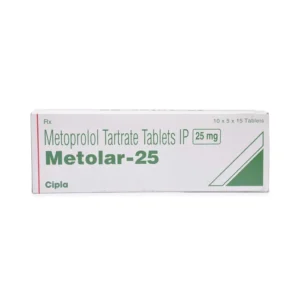
Metolar 25mg (Metoprolol)
$6.00 $12.00Price range: $6.00 through $12.00
Next product
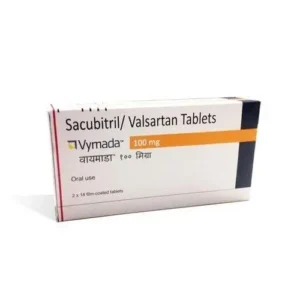
Vymada 100mg (Sacubitril/Valsartan)
$84.00 $235.00Price range: $84.00 through $235.00
$64.00 $175.00Price range: $64.00 through $175.00
In Stock
In Stock
Vymada 50mg (Sacubitril/Valsartan)
| Pack Size | Price | Quantity | Add To Cart | |
|---|---|---|---|---|
| 28 Tablet/s | $64.00 | |||
| 56 Tablet/s | $120.00 | |||
| 84 Tablet/s | $175.00 | |||
| Want to order in bulk / B2B price? Send Inquiry | ||||
×
Sorry!! Out of Stock
Sorry! Vymada 50mg (Sacubitril/Valsartan) is out of stock
Please click below to view other similar medications.
View All Sacubitril/Valsartan Products

Offer You Can't Resist
Free Shipping
Enjoy Free Shipping on Orders above AUD304 (USD199)
Estimate Shipping :
01 July - 08 July
39
Last Updated on June 27, 2026

Description
Product Overview
Brand Name: Vymada
Generic Name: Sacubitril/Valsartan
Strength: 50 mg (Typically refers to Sacubitril 24 mg / Valsartan 26 mg per tablet as a low dose; doses vary)
Form: Tablets
Manufacturer: Various pharmaceutical companies
Vymada is a fixed-dose combination medication that includes Sacubitril as well as Valsartan that is used for treating heart failure with reduced ejection fraction (HFrEF). The combination is an important treatment that enhances the survival rate, reduces hospitalizations, and increases the health and quality of life for those suffering from chronic heart failure.
Therapeutic Indications
Vymada 50mg is indicated for:
- Chronic Heart Failure:
In particular, heart failure with reduced ejection fraction (HFrEF) occurs when the ability of the heart to circulate blood is impaired (ejection fraction ≤40%). - Hypertension (off-label):
Sometimes, it is used to lower hypertension, but not as the sole reason.
Mechanism of Action
Vymada is a combination of two agents that have mutually beneficial mechanisms:
- Sacubitril:
A neprilysin inhibitor. Neprilysin enzyme is able to degrade natriuretic peptides that are used to manage blood pressure, sodium balance, and blood vessel tone. Inhibiting neprilysin sacubitril raises levels of these positive compounds, which promote vasodilation, the process of natriuresis (sodium excretion), diuresis, as well as suppression of hypertrophy and fibrosis. - Valsartan:
An angiotensin II receptor blocker (ARB) that blocks AT1 receptors selectively. AT1 receptor. It blocks the actions of angiotensin II. It leads to vasodilation, reduced aldosterone production, decreased sodium retention, and reduced sympathetic activity.
Together, they offer enhanced neurohormonal control that is over ACE inhibitors or ARBs by themselves, enhancing the function of the heart and slowing decline.
Dosage and Administration
Recommended Dosage:
- Starting Dose:
The usual dose is 24 mg sacubitril and 26 mg valsartan, twice a day (equivalent to a 50 mg dosage), particularly for patients who are not sensitive to ACE inhibitors or ARBs, and those with moderate liver or renal impairment. - Target Dose:
The aim is to boost the dosage to 97 mg sacubitril / the equivalent of 103 mg of valsartan, once a day as tolerated. - Dose Adjustments:
Based on response to clinical tests and tolerance, renal function, as well as blood pressure.
Administration Instructions:
- Dose twice per day orally either with or without food.
- Drink the tablets completely with water.
- Patients are advised to switch to the ACE inhibitor Vymada within a 36-hour washout to minimize the chance of developing angioedema.
Clinical Benefits
- Improved survival:
Clinical research (PARADIGM-HF) has shown a significantly lower rate of cardiovascular deaths and mortality from all causes compared to enalapril. - Reduced hospitalizations:
Lowers the likelihood of hospitalization in the event of a deterioration in heart failure. - Symptom improvement:
The patients experience improved exercise tolerance as well as fewer symptoms of breathlessness and fatigue. - Cardiac remodeling:
Reverses or slows down harmful cardiac structural changes.
Side Effects
Common Side Effects:
- Hypotension (low blood pressure)
- Hyperkalemia (elevated potassium levels)
- Dizziness
- Cough (less frequent than with ACE inhibitors)
- Renal impairment or increased serum creatinine
- Fatigue
Serious Side Effects:
- Angioedema (swelling of face, lips, tongue, or throat) – potentially life-threatening
- Severe hypotension or syncope
- Kidney dysfunction or failure
- Hyperkalemia requiring intervention
If any adverse reactions are observed, immediate medical attention is needed.
Contraindications
- The history of angioedema is correlated with the previous ACE inhibitor or ARB treatment
- Concomitant use with ACE inhibitors (within 36 hours)
- A known hypersensitivity reaction to sacubitril, the excipient valsartan
- Severe hepatic impairment or biliary obstruction
- Pregnancy (Category D) – risk of fetal harm
Warnings and Precautions
- Angioedema Risk:
Patients must be aware of the signs of angioedema. They should be instructed to seek medical attention immediately whenever symptoms are apparent. - Renal Function:
Keep track of renal function and potassium levels frequently, particularly in those who suffer from renal impairment or those taking diuretics that are potassium-sparing. - Hypotension:
Avoid patients who tend to have low blood pressure. Dosage adjustments might be required. - Electrolyte Monitoring:
The risk of hyperkalemia and supplementation with potassium should be closely monitored. - Pregnancy:
Not recommended due to the risk of fetal harm and even the possibility of death.
Drug Interactions
- ACE Inhibitors:
Angioedema risk increases; Do not administer without washing out. - Potassium-sparing diuretics, potassium supplements, or salt substitutes containing potassium:
Risk of hyperkalemia. - NSAIDs:
Could affect kidney function and reduce antihypertensive effects. - Lithium:
Be aware of lithium levels; the risk of increased toxicity is higher. - Other antihypertensives:
Additive hypotensive effects.
Always inform the healthcare professional of any medications that are concomitant to each other.
Storage Instructions
- Store tablets at room temperature (20°C to 25°C / 68°F to 77°F).
- Be sure to shield yourself from light and moisture.
- Make sure that the area is safe for young children.
Patient Counseling Information
- Use Vymada in the exact manner as it is prescribed.
- Do not discontinue or alter dosage without contacting your physician.
- Report any symptoms such as swelling of the neck or face, intense anxiety, dizziness, or trouble breathing right away.
- Do not take potassium supplements unless advised by your physician.
- Regularly attend follow-up appointments to check blood pressure, kidney function, and electrolyte tests.
- Keep hydrated unless specified.
Frequently Asked Questions (FAQs)
Q: Can I take Vymada if I am already on an ACE inhibitor?
A: No. It is recommended to wait for a minimum of 36 hours after the last dose of the ACE inhibitor before beginning Vymada to decrease the risk of developing angioedema.
Q: What should I do if I miss a dose?
A: You should take the missed dose immediately after you can remember. If you are nearing the moment for the next dose, avoid the dose you missed. Don’t double doses.
Q: Is Vymada safe during pregnancy?
A: No, There is no reason to avoid it in pregnancy due to the risk for the foetus.
Q: How long before I see improvement in my heart failure symptoms?
A: A few patients see improvement in a matter of weeks. However, the benefits of death and risk of hospitalization will require the need for long-term therapy.
Conclusion
Vymada 50mg (Sacubitril/Valsartan) represents a significant advancement in the management of heart failure with reduced ejection fraction. The combination of a neprilysin inhibitor and an angiotensin receptor blocker, it provides greater cardiovascular protection, symptom relief, and life-saving benefits when compared with traditional treatments.
The close supervision of a physician, adhering to the dosing guidelines, and awareness of the potential for negative side effects are crucial to the best therapeutic outcome and the safety of patients.
Additional Information
| Manufacturer | Novartis India Ltd |
|---|---|
| Pharmaceutical | Tablet/s |
| Strength | 50 mg |
| Pack Size | 28 Tablet/s, 56 Tablet/s, 84 Tablet/s |
Related products



Recently Viewed
Reviews
There are no reviews yet.