
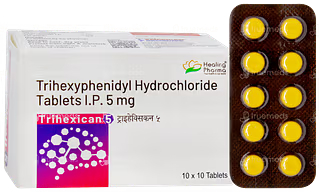
Trihexican 5mg (Trihexyphenidyl Hydrochloride)
Previous product
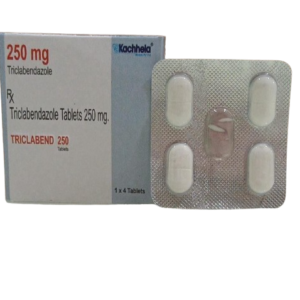
Triclabend 250mg (Triclabendazole)
A$92.40 A$476.00Price range: A$92.40 through A$476.00
Next product

Trivon 10mg (Tranylcypromine)
A$70.00 A$224.00Price range: A$70.00 through A$224.00
A$28.00 A$63.00Price range: A$28.00 through A$63.00
In Stock
In Stock
Trihexican 5mg (Trihexyphenidyl Hydrochloride)
| Pack Size | Price | Quantity | Add To Cart | |
|---|---|---|---|---|
| 100 Tablet/s | A$28.00 | |||
| 200 Tablet/s | A$43.40 | |||
| 300 Tablet/s | A$63.00 | |||
| Want to order in bulk / B2B price? Send Inquiry | ||||
×
Sorry!! Out of Stock
Sorry! Trihexican 5mg (Trihexyphenidyl Hydrochloride) is out of stock
Please click below to view other similar medications.
View All Trihexyphenidyl Hydrochloride Products


Offer You Can't Resist
Free Shipping
Enjoy Free Shipping on Orders above AUD304 (USD199)
Estimate Shipping :
25 June - 02 July
24
Best experience
For someone who works long hours, Modasmart 400 mg is a lifesaver. It increases my focus and energy without any other side effects.
 Australia
December 24, 2024
Response from Modalertaustralia
Thank you for sharing your experience! We’re glad to hear the product has supported your focus during long work hours. Your feedback is valuable to us. Please remember that experiences can vary, so always use the medication as directed and consult a healthcare professional if you have any concerns.
Last Updated on June 22, 2026

Description
Introduction
Trihexican 5mg, containing the active ingredient Trihexyphenidyl Hydrochloride, is a medication prescribed by a doctor that is utilized to treat the symptoms of Parkinson’s disease as well as extrapyramidal diseases caused by certain medications. It’s part of a category of medications known as anticholinergics. These are used to restore the balance of dopamine and acetylcholine within the brain, aiding in reducing muscle motions, tremors, and rigidity.
Composition and Dosage Form
- Active Ingredient: Trihexyphenidyl Hydrochloride 5mg per tablet
- Dosage Form: Oral tablets
- Packaging: Usually, the tablets are available in bottles or blister packs with 10, 30, or 100 tablets
Mechanism of Action
Trihexyphenidyl Hydrochloride can be described as an anticholinergic medication that acts by blocking muscarinic receptors within the brain’s central nervous system. Parkinson’s disease, as well as certain drug-induced motion disorders, results from an imbalance in dopamine (a neurotransmitter that is involved in controlling smooth muscle) and the chemical acetylcholine. Through reducing the activity of acetylcholine, Trihexyphenidyl can reduce tremors, muscle rigidity, and abnormal movements that are abnormal.
Indications
Trihexican 5mg is indicated for:
- Parkinson’s Disease: To ease symptoms, such as muscle stiffness, tremors, and a lack of muscle control.
- Drug-Induced Extrapyramidal Symptoms: In addition, they can result from antipsychotic medication and other dopamine antagonists, manifesting as dystonia, akathisia, or Parkinsonism.
- Other Movement Disorders: Sometimes it’s used off-label in various conditions that involve muscular spasms or voluntary movement.
Dosage and Administration
General Guidelines:
- The dose initially is usually minimal to reduce the risk of adverse effects.
- Starting dose: 1 mg to 2mg every day, split into two or three dosages.
- The dosage is gradually increased by increments of 2 mg every three to five days until a maximum result is reached.
- The maintenance dose ranges between 5mg and 15mg per day, broken down into multiple dosages.
- The maximum daily dosage should generally not exceed 15 mg.
Example Dose Schedule:
- Day 1-3: 1mg twice daily
- Day 4-7: 2mg twice daily
- Gradually adjust based on the clinical response and tolerance.
Administration Tips:
- Taken either with or without meals.
- It is recommended to swallow the whole thing with water.
- It is crucial to have a regular schedule of dosing to maintain control of symptoms.
- Don’t stop abruptly before seeking advice from a medical professional to prevent withdrawal-related signs.
Pharmacokinetics
- Absorption: The drug is rapidly absorbed from the intestinal tract.
- Peak Plasma Concentration: The results were achieved in between 1 and 2 hours after administration.
- Half-Life: Between 3 and 5 hours. This requires frequent doses.
- Metabolism: It is metabolized mostly in the liver.
- Excretion: The kidneys are the main source of excretion.
Contraindications
Trihexican 5mg should be avoided by patients suffering from:
- Hypersensitivity is known to trihexyphenidyl and other anticholinergic medications
- Narrow-angle glaucoma
- Myasthenia gravis
- Severe gastrointestinal obstruction or ileus
- Obstructive uropathy (e.g., urinary retention)
- Severe ulcerative colitis
Warnings and Precautions
- Be cautious when using this method in older patients because of their increased sensitivity to the effects of anticholinergics.
- Can cause dizziness, blurred vision, and fatigue; do not drive or use heavy equipment until you understand what the drug does to you.
- Avoiding patients who have Prostatic hypertrophy, cardiovascular disease, or hepatic impairment.
- Check for symptoms of anticholinergic poisoning, including hallucinations, confusion, constipation, dry mouth, and urinary retention.
- A regular assessment is required for the course of long-term treatment.
Potential Side Effects
Similar to all drugs, Trihexican 5mg may cause adverse effects. However, not every person experiences them. Some of the most frequent side effects include:
- Dry mouth
- Blurred vision
- Constipation
- Dizziness or lightheadedness
- Nausea
- Nervousness or restlessness
Less common but serious side effects:
- Confusion or hallucinations, especially in older adults
- Urinary retention
- Tachycardia (increased heart rate)
- Severe allergic reactions (rash, itching, swelling)
If you notice any persistent or serious symptoms develop, you should consult a physician immediately.
Drug Interactions
- Other Anticholinergic Drugs: It is possible that this can increase the adverse reactions.
- Antipsychotics: It can reduce effectiveness and increase symptoms of extrapyramidal.
- Monoamine Oxidase Inhibitors (MAOIs): Awareness of the possibility of hypertensive crises.
- Potentiation of CNS depressants: In addition, alcohol, sedatives, and hypnotics. These can cause drowsiness.
- Tell your doctor about the medications and supplements that you’re taking.
Use in Special Populations
- Pregnancy: The safety of the product is not fully established. Make use of it only when absolutely needed or after an assessment of risk-benefit.
- Lactation: Trihexyphenidyl can be absorbed into breast milk. Talk to a medical professional before using.
- Pediatrics: The safety and effectiveness of the product are not fully determined in children younger than 12 years of age; use under medical supervision.
Storage Instructions
- Maintain at room temperature, between 20°C to 25°C (68°F to 77°F).
- Beware of moisture and direct sunlight.
- Make sure that the area is safe for young children.
- Don’t use it beyond the expiry date.
Patient Counseling Information
- Follow the instructions exactly. Do not alter dose or frequency before consulting your physician.
- Be aware of any strange side effects, including hallucinations and confusion or urinary problems.
- Do not drink alcohol or other CNS depressants, unless they have been recommended by your doctor.
- Drink plenty of water to reduce constipation and dry mouth.
- The importance of regular follow-ups is to ensure the efficacy of treatment and avoid side effects.
Clinical Efficacy
Many clinical trials, as well as decades of experience in clinical trials, confirm the efficacy of Trihexyphenidyl to manage Parkinsonian symptoms as well as drug-induced additional pyramidal adverse consequences. It can provide substantial relief from tremors as well as muscle stiffness. This improves the quality of life and mobility for many patients.
Summary
Trihexican 5mg (Trihexyphenidyl Hydrochloride) is a valuable medicine for treating Parkinson’s disease, as well as other conditions that are characterized by the excessive contraction of muscles and tremors. Balancing the activity of neurotransmitters in the brain area, it can help to restore motor control and decrease involuntary movement.
Although generally tolerated, patients must follow dosage instructions and be mindful of the potential negative effects of anticholinergic drugs. Healthcare professionals must carefully consider the potential interactions and possible contraindications in order to ensure that the treatment is safe and efficient.
Additional Information
| Active Ingredient: | Trihexyphenidyl Hydrochloride |
|---|---|
| Indication: | Alzheimer's Disease, Dementia in Parkinson's Disease |
| Manufacturer: | Healing Pharma, India |
| Packaging: | 10 Tablets in Strip |
| Strength: | 5mg |
| Delivery Time: | 7 To 15 days |
Related products








Recently Viewed
Reviews
There are no reviews yet.