
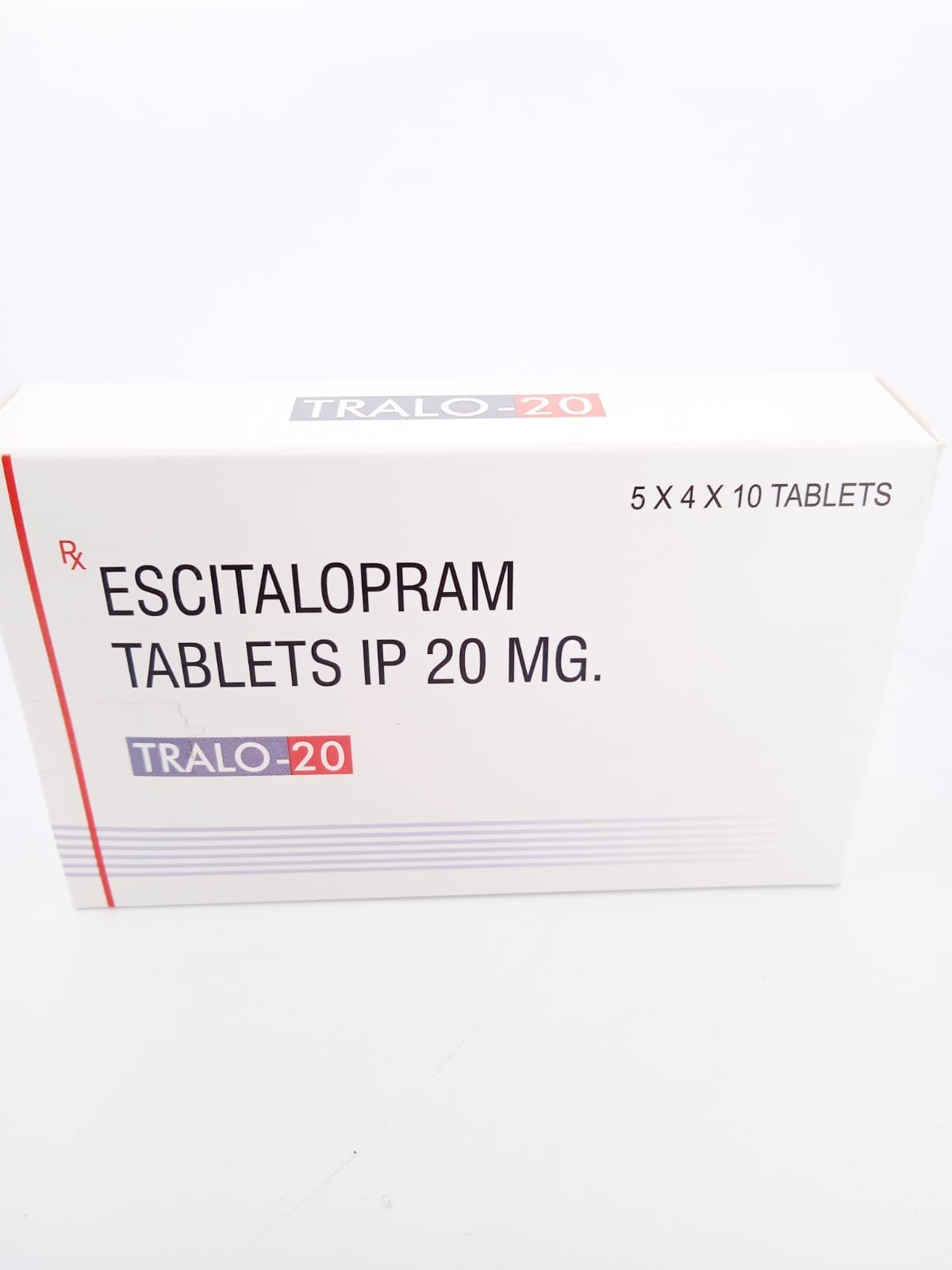
Tralo 20mg (Escitalopram)
Previous product
Tralo 10mg (Escitalopram)
$23.00 $63.00Price range: $23.00 through $63.00
Next product
Tralo 5mg (Escitalopram)
$15.00 $41.00Price range: $15.00 through $41.00
$30.00 $82.00Price range: $30.00 through $82.00
In Stock
In Stock
Tralo 20mg (Escitalopram)
| Pack Size | Price | Quantity | Add To Cart | |
|---|---|---|---|---|
| 100 Tablet/s | $30.00 | |||
| 200 Tablet/s | $58.00 | |||
| 300 Tablet/s | $82.00 | |||
| Want to order in bulk / B2B price? Send Inquiry | ||||
×
Sorry!! Out of Stock
Sorry! Tralo 20mg (Escitalopram) is out of stock
Please click below to view other similar medications.
View All Escitalopram Products

Offer You Can't Resist
Free Shipping
Enjoy Free Shipping on Orders above AUD304 (USD199)
Estimate Delivery :
03 October - 10 October
40
Very easy to order
I have been struggling with staying focused and maintaining productivity for years, particularly during long workdays. After researching various options, I decided to give Modalert 100 MG a try, and I can confidently say it has been a game-changer for me.
 Australia
February 11, 2025
Response from Modalertaustralia
Thank you for sharing your experience! We’re glad to hear Modalert 100 MG has helped support your focus and productivity during long days. Feedback like this means a lot to us and to others considering their options. Please continue to use the medication as directed, and feel free to reach out if you ever need assistance.
Last Updated on June 15, 2026

Description
What is Tralo 20mg?
Tralo 20mg brand name is a term for escitalopram. This is a medication that is classified as a selective serotonin-reuptake inhibitor (SSRI). It is typically prescribed for treating various mental health issues, particularly anxiety and depression. Escitalopram assists in the restoration of the equilibrium of serotonin, the neurotransmitter that is found within the brain, which affects mood, emotions, and sleep.
How does Tralo work?
Escitalopram is a selective inhibitor of the absorption (reuptake) of serotonin by neuronal cells within the brain. It increases the amount of serotonin within the synaptic cleft, which enhances neurotransmission and improves the communication between neurons. Through increasing serotonin levels, Tralo aids in boosting mood, decreasing anxiety, and boosting overall well-being.
What conditions is Tralo prescribed for?
Tralo is used to treat:
- Major depressive disorder (MDD)
- Generalized anxiety disorder (GAD)
- Social anxiety disorder (SAD)
- Panic disorder
- Obsessive-compulsive disorder (OCD) (off-label in some cases)
The doctor who diagnoses you will decide the exact dosage in light of your specific diagnosis.
How is Tralo 20mg taken?
Tralo is a medication that can be taken orally via tablet. It is usually taken every day. The medication can be used either with or without food. For a stable blood pressure ensure that you are taking your medication at the same every day at the same time. Drink the tablets completely with water.
What is the typical dosage?
The standard dose for adults should be 10 mg every day. In the event of a response or tolerance, your physician may up the dose to 20 mg a day, and that’s the prescribed dose for the majority of ailments. Certain patients, particularly those who are elderly or have liver disorders, could require lower dosages.
How long does it take for Tralo to work?
Tralo could take several weeks before you notice any results, usually between 2 and 4 weeks, but sometimes it can take up to 6-8 weeks before you can see full results. It’s essential to keep taking the prescribed medication and to not to stop abruptly, even if you do not notice immediate improvements.
What are the common side effects of Tralo?
The most common side effects are:
- Nausea
- Headache
- Dry mouth
- Drowsiness or fatigue
- Insomnia or difficulty sleeping
- Increased sweating
- Dizziness
- Sexual dysfunction (reduced libido, difficulty achieving orgasm)
- Gastrointestinal disturbances like diarrhea or constipation
They can also increase as the body adjusts to the drug.
Are there serious side effects?
Rarely do you experience serious side effects; however, they should be treated immediately by a physician:
- Suicidal behaviors or thoughts, particularly in younger adulthood and teens
- Severe allergic reactions (rash, itching, swelling)
- Serotonin syndrome – symptoms include confusion, rapid heartbeat, high fever, muscle stiffness, and seizures
- Abnormal bleeding or bruising
- Seizures
- Manic episodes (in people with bipolar disorder)
If you experience the presence of any strange or serious symptoms, seek out your physician immediately.
Who should avoid taking Tralo?
Tralo should not be used or employed with care in those who:
- Are allergic to escitalopram or other SSRIs
- Are you taking monoamine oxidase inhibitors (MAOIs) or have you taken them for the past 14 days
- Have a history of serotonin syndrome
- Have bipolar disorder without mood stabilizers
- Are pregnant or breastfeeding (only in cases where the benefits outweigh the risks, and if under the supervision of a medical professional)
Tell your physician about your complete medical history prior to beginning treatments.
Can Tralo be taken during pregnancy and breastfeeding?
The use of escitalopram in pregnancy is a matter to discuss with your doctor. Although some research suggests possible risks, untreated depression could also be harmful to both the mother and the baby. While breastfeeding, tiny amounts can be absorbed into the milk of a baby, and the choice to utilize Tralo must be weighed against the potential advantages and potential risks.
What happens if I miss a dose?
If you are unable to take your dose, get it back immediately the next day. When it’s getting close to the next dose, you can skip the missed dose. You shouldn’t take double doses to cover the missed dose.
Can I stop taking Tralo suddenly?
Stop taking Tralo suddenly without consulting your physician. The abrupt stop can result in withdrawal-related symptoms, such as nausea, vomiting, dizziness, as well as headaches and sensory disturbances (“brain zipping”). The physician will instruct you through gradual tapering of the dose in case discontinuation is needed.
Are there any drug interactions?
Tralo may interact with other medicines, such as:
- Monoamine oxidase inhibitors (MAOIs)
- Other SSRIs or SNRIs
- Blood thinners like warfarin
- Certain antipsychotics and mood stabilizers
- Triptans used for migraines
- Some antibiotics and antifungals
- St. John’s Wort and other herbal supplements affecting serotonin
Make sure you inform your physician of any medications or supplements you are taking to ensure that there are no negative interactions.
Are there any precautions or warnings?
- Pay attention to mood swings, particularly in young adults and teenagers.
- Beware of alcohol, as it may make you drowsier and affect your judgment.
- Make sure you are cautious while operating machinery or driving until you understands the extent to which Tralo impacts you.
- Tell your physician if you are experiencing seizures, kidney or liver issues, bleeding disorders, or other conditions.
What should I tell my doctor before taking Tralo?
Inform your doctor about:
- Any history of mental illness, such as suicidal thoughts or bipolar disorder
- Liver or kidney problems
- Seizure disorders
- Any other medications or supplements
- Pregnancy or breastfeeding status
- Allergies to medications
This ensures the safety and effectiveness of treatment.
Can Tralo cause weight changes?
Changes in weight can be a possibility, but they are different for every person. There are people who experience weight loss; whereas other people may experience weight loss or not notice any change. A balanced diet, as well as regular exercise, is a great way to manage weight gain during treatments.
Does Tralo cause sexual side effects?
Yes, Sexual dysfunction is an acknowledged side effect of SSRIs such as escitalopram. The signs include decreased testosterone levels, trouble achieving sexual desire, or even erectile dysfunction. If any of these reactions are troubling, talk about these with your physician, who might adjust the dosage or offer alternative therapies.
Is Tralo addictive?
Tralo isn’t regarded as addictive, but withdrawal symptoms or dependence can result if you stop abruptly. Follow your physician’s advice for stopping treatment in a safe manner.
How long do I need to take Tralo?
The time frame for treatment is contingent upon the illness that is being treated, as well as your reaction. For anxiety and depression, the treatment usually lasts at least six to 12 months following improvement in symptoms to prevent reappearance. Your physician will assist you in determining the right amount of treatment.
What lifestyle tips can help while taking Tralo?
- Keep a balanced diet and daily exercise.
- Make sure you have a good night’s sleep.
- Do not drink alcohol or use recreational drugs.
- Participate in activities to relieve stress, including meditation or even counseling.
- Maintain regular follow-up appointments with your health professional.
Summary
Tralo 20mg (Escitalopram) is an SSRI antidepressant medication used to treat anxiety, depression, and similar disorders by increasing the levels of serotonin in the brain. It is a requirement for consistent use and could take a few weeks before it shows results. Although generally tolerated, it could cause some side symptoms that can range from moderate to serious. A careful medical oversight is essential for monitoring effectiveness and managing any reactions that are not expected. Patients shouldn’t stop taking the medicine suddenly, and must communicate directly with their doctor concerning any issues.
Additional Information
| Active Ingredient: | Escitalopram |
|---|---|
| Indication: | Anxiety Disorder, Obsessive-Compulsive Disorder, Phobia |
| Manufacturer: | Elikem Pharmaceuticals |
| Packaging: | 10 Tablets in 1 Strip |
| Strength: | 20mg |
| Delivery Time: | 7 To 15 days |
Related products

Reviews
There are no reviews yet.