
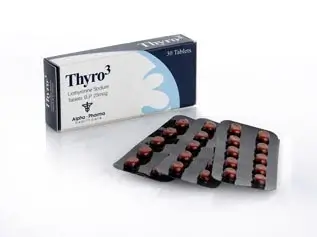
Thyro 3 (Liothyronine Sodium)
Previous product
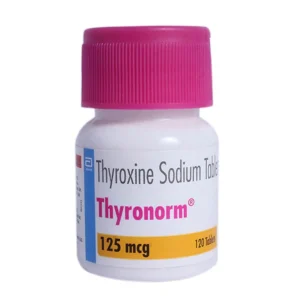
Thyronorm 125mcg (Thyroxine Sodium)
A$54.87 A$177.61Price range: A$54.87 through A$177.61
Next product

Darilong 7.5mg (Darifenacin)
A$45.70 A$98.91Price range: A$45.70 through A$98.91
A$194.94 A$361.00Price range: A$194.94 through A$361.00
In Stock
In Stock
Thyro 3 (Liothyronine Sodium)
| Pack Size | Price | Quantity | Add To Cart | |
|---|---|---|---|---|
| 60 Tablet/s | A$194.94 | |||
| 90 Tablet/s | A$207.94 | |||
| 180 Tablet/s | A$361.00 | |||
| Want to order in bulk / B2B price? Send Inquiry | ||||
×
Sorry!! Out of Stock
Sorry! Thyro 3 (Liothyronine Sodium) is out of stock
Please click below to view other similar medications.
View All Liothyronine Sodium Products
Offer You Can't Resist
Free Shipping
Enjoy Free Shipping on Orders above AUD304 (USD199)
Estimate Shipping :
28 August - 04 September
46
Last Updated on June 12, 2026

Description
What is Thyro 3 (Liothyronine Sodium)?
Thyro 3 is a medicine that contains liothyronine sodium, which is a synthetic version of the thyroid hormone triiodothyronine (T3). It is used to treat hypothyroidism. It is which is a condition in which the thyroid gland fails to produce sufficient thyroid hormones. It helps to regulate metabolic rate in energy production, as well as general hormonal balance.
How does Thyro 3 work?
Thyro 3 functions by enhancing the thyroid hormone, naturally produced T3 that is present in our body. T3 is among the primary hormones created by the thyroid gland. It is vital for controlling the heart rate, metabolism, body temperature, and development. If thyroid hormone levels are low, metabolism processes are slowed, which can cause signs like weight gain, fatigue, and intolerance to cold. Liothyronine sodium can help bring back normal hormone levels as well as metabolism.
What conditions is Thyro 3 used for?
Thyro 3 is commonly utilized for treating:
- Hypothyroidism (underactive thyroid)
- Myxedema coma (an extreme form of hypothyroidism, which can be a medical emergency)
- Replacement of thyroid hormones following thyroidectomy (surgical removal of the thyroid)
- Occasionally, diagnostic tests are conducted to determine thyroid function
How is Thyro 3 different from levothyroxine?
Levothyroxine (T4) is yet another thyroid hormone replacement, which is often used to treat hypothyroidism. It’s converted to T3 (liothyronine) inside the body. Thyro 3 provides T3 directly; it’s faster acting and is stronger. But it also has a lower half-life, which means that its effects fade faster, which requires careful dosage and constant monitoring. Levothyroxine is generally preferred as a long-term treatment because of its durability and long duration of effect.
How is Thyro 3 administered?
Thyro 3 is typically consumed orally as tablets. The dosage is dependent on the patient’s medical situation, the response to treatment, and the TSH levels in the blood. The usual dosage is at least once a day. However, in certain instances, it can be divided into different dosages. A consistent timing and dose are essential to ensure the level of hormones that is stable.
What is the typical dosage?
The dosage varies greatly based on the needs of the patient. In the beginning, doses are usually small, particularly in older individuals or those suffering from heart disease, so as to limit overstimulation in the heart. The typical starting dose ranges from 5 mcg to 25 mcg daily. The dosage is adjusted according to the clinical reaction as well as test results. It is essential not to alter the dosage without consulting a medical professional.
What are the common side effects of Thyro 3?
The most common side effects occur when the dosage is too high or when the patient is sensitive to thyroid hormones. Some of the most frequent side effects are:
- Palpitations or rapid heart rate
- Nervousness or anxiety
- Tremors
- Insomnia
- Sweating or heat intolerance
- Weight loss
- Diarrhea or abdominal cramps
- Headache
If there are any side effects, it is possible that the dosage needs adjustment.
Are there any serious side effects?
The risk of serious adverse reactions is rare; however, they can happen in the case of a high dose or if the patient suffers from already existing heart problems. A serious adverse reaction could be:
- Chest pain or angina
- Irregular heartbeat (arrhythmias)
- Severe allergic reactions (rash, itching, swelling)
- Signs of hyperthyroidism (overactive thyroid), such as extreme nervousness, confusion, or muscle weakness
If serious adverse side effects are observed, immediate medical attention is required.
Who should not take Thyro 3?
Thyro 3 is not to be consumed by those suffering from:
- Untreated adrenal insufficiency
- Untreated thyrotoxicosis (overactive thyroid)
- Heart attack in the past or unstable heart disease that requires medical surveillance
- Hypersensitivity to liothyronine or any other ingredient in the medicine
Women who are pregnant or breastfeeding should take Thyro 3 only when clearly necessary and under the supervision of a physician.
Can Thyro 3 be used during pregnancy and breastfeeding?
The replacement of thyroid hormones is crucial in pregnancy to help support the health of the mother and the development of the child. Thyro 3 is a medication that can be administered at any time during pregnancy, and levothyroxine, however, is recommended due to its health and effectiveness. Women who breastfeed should speak with their doctor before taking liothyronine because it can be found in breast milk.
How should Thyro 3 be stored?
Thyro 3 tablets must be stored at room temperature, at a distance from moisture, sunlight, or direct heat. Make sure the tablets are away from animals and children. Use it only until the date of expiration.
How long does it take for Thyro 3 to work?
Thyro 3 exhibits a fast time to begin action, compared to levothyroxine. Certain effects may be felt in a matter of hours, and complete therapeutic effects can last several days or weeks, according to the type of condition. Monitoring of the symptoms regularly, as well as blood tests, is essential in evaluating the effectiveness.
What should I do if I miss a dose?
If you are unable to take a dose, you should take it immediately the next day. When it’s almost time to take your next dose, avoid the missed dose and resume the routine. Don’t double your dose in order to compensate for the missed dose.
Can I stop taking Thyro 3 suddenly?
No, you should not end Thyro 3 suddenly without consulting your physician. The abrupt discontinuation of the medication can trigger the recurrence of symptoms related to hypothyroid or, in extreme cases, myxedema coma that can be potentially life-threatening. All changes to medication must be performed under the supervision of a physician.
Are there drug interactions with Thyro 3?
Yes, Absolutely, Thyro 3 is a drug that interacts with a variety of medications, such as:
- Anticoagulants (blood thinners) like warfarin – Liothyronine could enhance their effects and can increase the risk of bleeding.
- Beta-blockers and other heart medications – may require dose adjustment.
- Certain antacids, calcium supplements, and iron supplements – could interfere with absorption if consumed at the same time.
- Other thyroid preparations – The concurrent use of a computer should be well monitored.
Be sure to inform your doctor about any medication or supplement that you’re taking.
What tests are needed while on Thyro 3?
The regular testing of blood is necessary for monitoring the thyroid hormone levels (T3, T4, and TSH) and to adjust dosage according to the level. This is crucial in the initial few months of treatment, pregnancy, and when symptoms alter.
Can Thyro 3 cause overdose?
Yes, sure, an overdose of Thyro 3 can cause symptoms of hyperthyroidism. These include a rapid heartbeat, chest pain, sweating, nervousness, and anxiety. A severe overdose can cause thyroid disorder, which is an emergency medical situation. If you suspect that an overdose has occurred, you should seek medical attention immediately.
What lifestyle changes should I consider while taking Thyro 3?
Maintaining a balanced diet, staying away from excessive caffeine, managing stress, and exercising regularly can improve thyroid health overall and the management of symptoms. Do not self-medicate or alter doses without consulting a physician.
Is Thyro 3 suitable for children?
Thyro 3 can be prescribed for hypothyroid children; however, the dosage should be measured based on your weight and the clinical conditions. The use of this medication in children should be monitored by a doctor.
How is Thyro 3 different from natural desiccated thyroid?
Natural desiccated Thyroid (NDT) originates from the thyroid glands of animals and is a mixture of T3 hormones and T4 hormones. Thyro 3 contains only synthetic T3. The ratio of hormones in NDT can differ, and Thyro 3 gives precise doses of T3 all by itself. A few patients are more comfortable with NDT; however, it’s not as widely used due to its inconsistent nature and allergen dangers.
Can Thyro 3 be used for weight loss?
Thyro 3 isn’t prescribed or approved for weight loss among healthy people. Utilizing thyroid hormones for weight loss without medical necessity could be risky, which can cause serious metabolic and heart problems. The use of thyroid hormones should be limited to the treatment of thyroid hormone deficiencies.
What should I tell my doctor before starting Thyro 3?
Inform your doctor about:
- The adrenal gland or the heart may be affected issues
- Allergies to thyroid medications
- Pregnancy or breastfeeding status
- Supplements, medications, or products made from herbs that you may use
- Treatments for thyroid or surgery before it
These details help your doctor to tailor your treatment plan and ensure the safety of your child.
Summary
Thyro 3 (Liothyronine Sodium) is a powerful synthetic thyroid hormone medicine for treating hypothyroidism and associated conditions. It supplies the active T3 hormone in a direct manner, which leads to faster results. It requires strict dosage control and monitoring in order to prevent adverse effects, especially those that affect the heart. Thyro 3 isn’t a primary treatment for the majority of patients, but it is beneficial for specific circumstances like myxedema coma or where rapid hormonal action is required. Patients should adhere to the instructions of their physician attentively and report any side symptoms promptly.
Related products







Recently Viewed

Reviews
There are no reviews yet.