
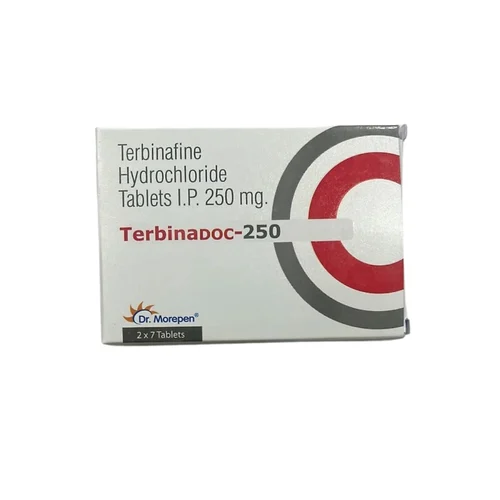
Terbinadoc 250mg (Terbinafine)
Previous product
Tenvir-AF (Tenofovir Alafenamide)
$90.00 $200.00Price range: $90.00 through $200.00
Next product
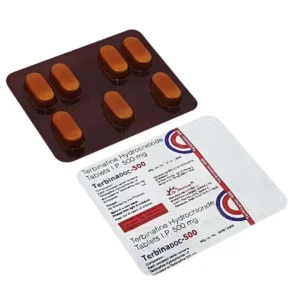
Terbinadoc 500mg (Terbinafine)
$37.50 $80.00Price range: $37.50 through $80.00
$30.00 $51.25Price range: $30.00 through $51.25
In Stock
In Stock
Terbinadoc 250mg (Terbinafine)
| Pack Size | Price | Quantity | Add To Cart | |
|---|---|---|---|---|
| 56 Tablet/s | $30.00 | |||
| 84 Tablet/s | $36.25 | |||
| 126 Tablet/s | $51.25 | |||
| Want to order in bulk / B2B price? Send Inquiry | ||||
×
Sorry!! Out of Stock
Sorry! Terbinadoc 250mg (Terbinafine) is out of stock
Please click below to view other similar medications.
View All Terbinafine Products
Offer You Can't Resist
Free Shipping
Enjoy Free Shipping on Orders above AUD304 (USD199)
Estimate Shipping :
09 September - 16 September
46
Fast Support
Customer support was excellent. My questions were answered promptly and the team was very helpful throughout the process. The order was handled efficiently and professionally
 Australia
August 15, 2026
Last Updated on June 12, 2026

Description
Overview
Terbinadoc 250mg contains Terbinafine hydrochloride, which is an antifungal medication that is used to treat various types of fungal diseases. It is typically prescribed to treat dermatology-related infections that affect the skin hair, nails, and the skin. Terbinafine has been proven to be highly effective in tackling fungal infections that can cause ailments like ringsworm, athlete’s foot jock itch and onychomycosis (fungal nail conditions).
Terbinadoc 250mg is an oral medication commonly used when topical antifungal medications are not enough or for more severe infections.
Active Ingredient
- Terbinafine hydrochloride 250 mg per tablet
Mechanism of Action
Terbinafine is a drug that blocks the enzyme called squalene epoxidase that is vital to the production of membranes for fungal cells. The inhibition causes an insufficient amount of ergosterol an essential element of the membrane of fungal cells and the build-up of toxic squalene inside fungal cells. This causes fungal cell membranes are damaged, resulting in cell death.
Terbinafine is fungicidal. This means it kills the fungus, rather than merely limiting the growth of it.
Indications
Terbinadoc 250mg can be used as a treatment for:
- Onychomycosis: Fungal infections of the nail and fingernails that are caused by dermatologophytes.
- Tinea corporis: Ringworm that affects the body.
- Tinea cruris: A fungal infection that affects the groin region (jock itching).
- Tinea pedis: Athlete’s foot.
- Tinea capitis: Scalp fungal infections.
- Other skin diseases that are resistant to topical treatment.
Dosage and Administration
- Adults and adolescents (12 years and older): A typical dose is 250 mg tablets each day.
- Duration:
- In the case of skin infections (tinea cruris or corporis) and the pedis) the treatment typically lasts between 2 and 4 weeks.
- In the case of nail infection (onychomycosis) the treatment for nail infections usually takes 6 weeks for fingernails. It takes 12 weeks to treat toenails.
- The length of time will vary upon the nature of the infection as well as the severity and reaction.
Note: Terbinadoc is best taken in conjunction in conjunction with meals to increase the absorption of food and minimize gastrointestinal adverse effects.
Contraindications
- Hypersensitivity is known to terbinafine, or other components of the formula.
- Patients who have severe impairment to their liver or liver diseases that is active.
- Patients suffering from lupus erythematosus and the systemic form of lupus erythematosus must take care when taking medication.
- Pregnancy and breastfeeding (use only if clearly needed and under medical advice).
Side Effects
Many patients can tolerate Terbinadoc quite well However, some adverse reactions may happen:
Common Side Effects:
- Gastrointestinal symptoms (nausea, diarrhea, abdominal pain)
- Headache
- Rash or itching
- Taste disturbances or loss of taste (dysgeusia)
- Fatigue
Less Common but Serious Side Effects:
- Liver toxicity (manifested as jaundice, dark urine, abdominal pain)
- Severe allergic reactions (anaphylaxis, angioedema)
- Blood disorders such as neutropenia or agranulocytosis (rare)
- Stevens-Johnson syndrome or toxic epidermal necrolysis (very rare)
- Visual disturbances
- Depression or mood changes (rare)
If you notice symptoms of liver damage as well as allergic reactions or extreme skin reactions, you should seek medical attention right away.
Precautions and Warnings
- Liver function: Examine liver enzymes in advance and after prolonged treatment for patients who have existing liver problems.
- Renal impairment: Be cautious with patients suffering from kidney issues.
- Drug interactions: Terbinafine may interact with a variety of medicines, including antidepressants that contain certain ingredients beta-blockers, antifungals, and other beta-blockers.
- Alcohol: Beware of excessive consumption of alcohol in treatment, to lessen stress on the liver.
- Pregnancy and breastfeeding: Only use if the benefits are greater than risk after speaking with a medical doctor.
- Allergy: Tell your physician if you are prone to allergic reactions to antifungal medicines.
Drug Interactions
- Terbinafine can increase the levels of certain drugs metabolized the enzyme in liver CYP2D6 (e.g. certain beta-blockers and antidepressants).
- It could reduce the efficiency of the substances metabolized by CYP3A4.
- Beware of co-administration with rifampicin as well as Cimetidine as they can affect the levels of terbinafine.
- Be sure to inform your doctor about any medications or supplements you take.
Storage
- Keep at room temperature and far from moisture and direct sunlight.
- Make sure that the area is safe for young children.
- Don’t use the product until the date of expiration.
Summary
Terbinadoc 250mg (Terbinafine) is a potent oral antifungal that is used to treat Dermatophyte-related skin infections, hair, and nails. It eliminates fungi through the disruption of the synthesis of cell membranes and is widely utilized to treat diseases like athlete’s foot and fungal nail infection. Treatment time varies according to the location of the infection and its severity. Although generally considered safe, it is important to monitor liver function, as well as being aware of potential side consequences, such as taste changes, allergic reactions, is crucial to be aware of this. Be sure to follow the prescription and speak with your physician for any adverse side effects that occur.
Frequently Asked Questions (FAQs)
Q1: What is Terbinadoc 250mg used for?
A: It’s a treatment for fungal diseases like the ringworm infection, jockitch, scalp infections, as well as fungal nail diseases.
Q2: How long does it take to see results?
A: The skin infections can improve in two to four weeks. Nail infections need a longer-term treatment, typically 6-12 weeks.
Q3: Can I stop treatment once symptoms improve?
A: No. It is important to finish all of the prescribed courses in order to stop repeated incidents.
Q4: Are there any serious side effects I should watch for?
A: Yes. There are signs that liver troubles may be present (yellowing eyes and skin, dark urine) or a severe rash or reactions to allergens require prompt medical treatment.
Q5: Can Terbinadoc cause taste changes?
A: Yes, Certain people may have a change in their taste. It is usually temporary.
Q6: Is Terbinadoc safe during pregnancy?
A: The general rule is not to recommend in the first trimester unless it is essential.
Q7: Can I take Terbinadoc with other medications?
A: Certain drugs can interfere with Terbinafine. Be sure to inform your doctor of the medications you are taking.
Q8: Do I need any tests before starting Terbinadoc?
A: The doctor can test the function of your liver before beginning treatment, particularly if you are planning to pursue long-term treatment.
Q9: How should I store Terbinadoc tablets?
A: Place the items in a cool and dry area away from sunlight and moisture.
Q10: What should I do if I miss a dose?
A: Do it as quickly as you remember it, unless very close to your next dose. Avoid taking two doses.
Additional Information
| Active Ingredient: | Terbinafine |
|---|---|
| Indication: | Fungal Infections |
| Manufacturer: | Morepen Laboratories Ltd. |
| Packaging: | 7 Tablets in 1 Strip |
| Strength: | 250mg |
| Delivery Time: | 7 To 15 days |
Related products



Recently Viewed

Reviews
There are no reviews yet.