

Tenoric 100mg (Atenolol/Chlorthalidone)
Previous product
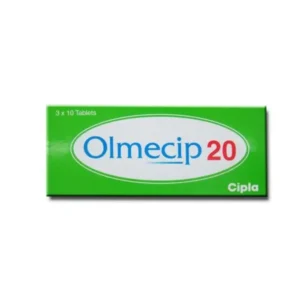
Olmecip 20mg (Olmesartan)
$18.00 $45.00Price range: $18.00 through $45.00
Next product

Ramipres 5mg (Ramipril)
$18.00 $43.75Price range: $18.00 through $43.75
$17.00 $30.00Price range: $17.00 through $30.00
In Stock
In Stock
Tenoric 100mg (Atenolol/Chlorthalidone)
| Pack Size | Price | Quantity | Add To Cart | |
|---|---|---|---|---|
| 60 Tablet/s | $17.00 | |||
| 90 Tablet/s | $24.00 | |||
| 120 Tablet/s | $30.00 | |||
| Want to order in bulk / B2B price? Send Inquiry | ||||
×
Sorry!! Out of Stock
Sorry! Tenoric 100mg (Atenolol/Chlorthalidone) is out of stock
Please click below to view other similar medications.
View All Atenolol/Chlorthalidone Products

Offer You Can't Resist
Free Shipping
Enjoy Free Shipping on Orders above AUD304 (USD199)
Estimate Delivery :
01 October - 08 October
27
Last Updated on June 11, 2026

Description
Overview
Tenoric 100mg is a medication combination comprising Atenolol 100 mg as well as Chlorthalidone 25 mg, which is used for controlling hypertension (high blood pressure). The combination is a fixed dose and relies on the combination of beta-blockers (atenolol) and a thiazide-like diuretic (chlorthalidone) to manage blood pressure and decrease the chance of complications from cardiovascular events like heart attack, stroke, or heart failure.
Active Ingredients
- Atenolol 100 mg: A beta-1 selective adrenergic blocker that decreases the heart rate and output. It also reduces blood pressure.
- Chlorthalidone 25 mg: A thiazide-like diuretic which increases the elimination of sodium and water through the kidneys. Lowers blood volume as well as blood pressure.
Indications
Tenoric 100mg is indicated for:
- Treatment of hypertension: To lower blood pressure that is elevated even when monotherapy is not enough.
- Management of angina pectoris: By reducing myocardial oxygen demand (atenolol component).
- Prevention of cardiovascular events: Reduce the risk of hypertension, which includes myocardial ischemia and stroke.
Mechanism of Action
- Atenolol specifically blocks beta-1 adrenergic receptors within the heart. This results in:
- Reduced heart rate,
- Decreased force of contraction,
- Lower cardiac output,
which ultimately reduces blood pressure.
- Chlorthalidone aids in diuresis by preventing sodium and chloride reabsorption within the distal convoluted tubules in the kidneys. The result is a decrease in blood volume and the resistance to vascular flow, further reducing blood pressure.
Combining these two methods creates the effect of a combination, which improves blood pressure control much more than any agent on its own.
Dosage and Administration
- The most common dose of Tenoric 100mg is 1 tablet daily and is best taken at the beginning of each day.
- Tablets must be taken entirely with water.
- The dose can be altered according to the patient’s blood pressure and tolerance.
- It is crucial to use the medicine consistently throughout the day.
- The need for dose adjustments is often necessary for patients suffering from renal impairment or any other medical condition.
Pharmacokinetics
- Atenolol:
- Absorption: About 50% bioavailability following the administration of oral.
- Peak plasma concentration: Within 2 to 4 hours.
- Half-life: About 6 to 7 hours.
- Excretion: Mainly renal.
- Chlorthalidone:
- Absorption: In the beginning, it is slowly absorbed and reaches peak levels between 2 and 6 hours.
- Half-life: 40 to 60 hours, permitting a daily dose.
- Excretion: Primarily renal.
Contraindications
- Hypersensitivity is known to atenolol, chlorthalidone, or other components of the drug.
- Severe bradycardia (slow heart rate), heart block, or sick sinus syndrome unless a pacemaker is present.
- Cardiogenic shock or decompensated heart failure.
- Severe renal impairment without close monitoring.
- Anuria (failure of the kidneys to produce urine).
- Pregnancy and breastfeeding unless benefits outweigh risks.
Warnings and Precautions
- Heart conditions: Be cautious when using beta-blockers in patients suffering from asthma, or with chronic obstructive respiratory disease (COPD), since beta-blockers could cause an increase in bronchospasm.
- Diabetes mellitus: Atenolol is a drug that can disguise symptoms in hypoglycemia (low blood sugar).
- Electrolyte imbalance: Chlorthalidone is known to result in low sodium, potassium, and magnesium levels. Be sure to check electrolytes frequently.
- Renal and hepatic impairment: It requires dose adjustments as well as careful surveillance.
- Withdrawal: A sudden stoppage of atenolol can cause angina or myocardial infarction, and taper off gradually, under the supervision of a physician.
- Photosensitivity: Chlorthalidone could increase sensitivity to sunlight.
Side Effects
Common side effects:
- Fatigue or dizziness
- Cold extremities
- Headache
- Gastrointestinal disturbances (nausea, diarrhea)
- Increased urination (due to diuretic)
Less common but serious side effects:
- Bradycardia (slow heart rate)
- Hypotension (low blood pressure)
- Electrolyte imbalances (hypokalemia, hyponatremia)
- Worsening of asthma or respiratory conditions
- Depression or mood changes
- Muscle cramps or weakness
Patients must inform the doctor in the event of extreme negative side effects.
Drug Interactions
- Some antihypertensives may also have an effect on blood pressure.
- Nonsteroidal anti-inflammatory drugs (NSAIDs) could reduce the efficacy of antihypertensives.
- Digitalis glycosides: Risk of bradycardia increases.
- Calcium channel blockers: The combination of use could raise the risk of a heart block.
- Insulin and oral hypoglycemic agents: Beta-blockers may mask hypoglycemia symptoms.
- Lithium: It is possible that lithium can increase toxicity.
- Other drugs that deplete potassium or potassium supplements must be monitored because of the risk of an imbalance in electrolytes.
Your healthcare professional should be aware of the medications, supplements, and herbal remedies you’re using.
Storage
- Keep it in a cool, dry location below 30°C (86°F).
- Guard against light and moisture.
- Make sure that the area is safe for youngsters.
Frequently Asked Questions (FAQs)
Q1: What is Tenoric 100mg used for?
A1: It’s employed to reduce blood pressure and treat angina. This helps decrease the risk of having a heart attack or stroke.
Q2: How does Tenoric work?
A2: Atenolol reduces heart rate and reduces the workload, while chlorthalidone decreases the amount of water in the body through diuresis. Both of them lower blood pressure in a way.
Q3: When should I take Tenoric?
A3: Each day at least once, but preferably early in the morning, and without or with food.
Q4: Can I stop taking Tenoric suddenly?
A4: No, sudden discontinuation can worsen heart problems; always consult your doctor for tapering advice.
Q5: What side effects should I watch for?
A5: Common symptoms include dizziness, headaches, and fatigue. Seek medical help if you have an extremely slow heartbeat, fainting, or weakening.
Q6: Is it safe to take Tenoric with other medications?
A6: It can interact with a variety of medications; be sure to discuss with your physician any other medications you are taking.
Q7: Can I drink alcohol while on Tenoric?
A7: Drinking alcohol can cause dizziness and reduce blood pressure. So, consult your doctor.
Q8: Will Tenoric affect my blood sugar levels?
A8: Atenolol is a medication that can disguise symptoms of hypoglycemia. Patients with diabetes should check their blood sugar levels carefully.
Q9: What if I miss a dose?
A9: Use it as soon as you remember it, or just before your next dose. Do not overdose.
Q10: Can Tenoric cause electrolyte imbalances?
A10: Yes, Chlorthalidone can indeed cause the loss of sodium or potassium. Regular tests of the blood are recommended.
Summary
Tenoric 100mg (Atenolol/Chlorthalidone) is a combination antihypertensive medication that effectively lowers blood pressure by reducing heart rate and fluid volume. Beta-blocker Atenolol helps reduce the cardiac workload, and chlorthalidone, which is a diuretic medication, aids in the elimination of excessive salt and water from the body.
The combination enhances blood pressure control and decreases cardiovascular risk factors like stroke and heart attack. The treatment is usually well-tolerated. However, patients need to be aware of any potential negative effects, such as dizziness, electrolyte imbalance, and respiratory problems. A strict adherence to the regimen, frequent monitoring, as well as consultation with health care professionals are essential to ensure an effective and safe treatment.
People with kidney, heart, or respiratory issues need special attention when taking Tenoric. Sudden discontinuation is advised to avoid aggravation of symptoms in the heart. In the end, Tenoric 100mg is an effective solution for controlling hypertension while also protecting the cardiovascular system.
Related products




Reviews
There are no reviews yet.