

Telma 20mg (Telmisartan)
Previous product
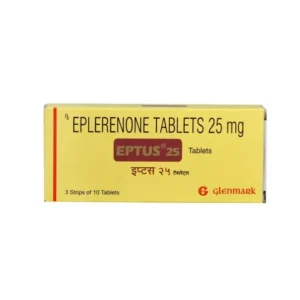
Eptus 25mg (Eplerenone)
A$84.47 A$194.94Price range: A$84.47 through A$194.94
Next product

Dytor 10mg (Torasemide)
A$33.21 A$57.76Price range: A$33.21 through A$57.76
A$31.77 A$56.32Price range: A$31.77 through A$56.32
In Stock
In Stock
Telma 20mg (Telmisartan)
| Pack Size | Price | Quantity | Add To Cart | |
|---|---|---|---|---|
| 60 Tablet/s | A$31.77 | |||
| 90 Tablet/s | A$43.32 | |||
| 120 Tablet/s | A$56.32 | |||
| Want to order in bulk / B2B price? Send Inquiry | ||||
×
Sorry!! Out of Stock
Sorry! Telma 20mg (Telmisartan) is out of stock
Please click below to view other similar medications.
View All Telmisartan Products


Offer You Can't Resist
Free Shipping
Enjoy Free Shipping on Orders above AUD304 (USD199)
Estimate Delivery :
11 September - 18 September
28
Highly Professional
Very professional company with a smooth ordering process. The staff were courteous and helpful, and the shipment was handled efficiently. I had a good overall experience.
 Australia
August 17, 2026
Last Updated on June 11, 2026

Description
Overview
Telma 20mg is a medicine that contains the active ingredient Telmisartan, which is an antihypertensive medication that belongs to the class of Angiotensin II Receptor Blockers (ARBs). The most common use for it is treating hypertension (hypertension) and for guarding the kidneys and heart for those at risk of cardiovascular diseases.
Telmisartan acts by blocking the actions of angiotensin, which is a hormone that plays a role in the dilation of blood vessels. In order to prevent this narrowing, it helps relax blood vessels and allows blood to flow much more freely, thereby lowering blood pressure.
Uses of Telma 20mg (Telmisartan)
- Hypertension (High Blood Pressure): Telma 20mg is used primarily for managing hypertension. The control of hypertension can prevent the occurrence of issues like strokes, heart attacks, and kidney issues.
- Cardiovascular Risk Reduction: Telmisartan is usually recommended to decrease the likelihood of cardiovascular-related issues (such as heart attack and stroke) in those with a diagnosis of heart disease or at risk for the condition, diabetes, or another condition.
- Kidney Protection: Telmisartan can be beneficial for protecting the kidneys, especially in people suffering from Type 2 diabetes, as well as proteinuria (excess protein excreted from the urine).
How Telma 20mg Works
Telmisartan is a selective blocker of the angiotensin II type 1 (AT1) receptors that are found in blood vessels and various tissues. Angiotensin II acts as a powerful vasoconstrictor. This means it reduces the size of blood vessels and elevates blood pressure. Through blocking AT1 receptors, Telmisartan triggers blood vessels to dilate and relax and lower blood pressure, and also reduces the burden on the heart.
Dosage and Administration
- Typical Dose: In adults suffering from hypertension, the standard dosage for Telma can be 20 mg every day. The dosage can be altered by a medical professional depending on the response of the patient and up to a maximum dosage of 80 mg daily.
- Administration: Telma tablets are to be consumed in a pill form, whether or not with food. It is crucial to consume this medication regularly every day to keep blood pressure levels.
- Special Populations: Adjustments to dosages may be required when patients are older or who suffer from liver or kidney impairment. Therefore, consulting with a medical professional is crucial.
Side Effects of Telma 20mg
Although Telma is usually well-tolerated, some adverse effects may be experienced. The majority of side effects are minor and short-lived.
Common Side Effects:
- Lightheadedness or dizziness, particularly when standing quickly (due to blood pressure being lower)
- Headache
- Fatigue or tiredness
- Nasal congestion
- Back pain
Less Common but Serious Side Effects:
- Low blood pressure that is low (hypotension) can result in weakness or fainting
- The levels of potassium are higher in the blood (hyperkalemia), which may affect the heart’s rhythm.
- Kidney function impairment
- Allergic reactions, including rash, itching, or swelling
- Angioedema (rare, severe allergic swelling of the face, lips, tongue, or throat)
If you notice signs of a severe allergic reaction (difficulty breathing or swelling of your face or throat), you should seek medical attention right away.
Precautions and Warnings
- Pregnancy and Breastfeeding: Telmisartan is not recommended for use during pregnancy, particularly during the second and third trimesters, because it could affect the baby’s development. Women who are breastfeeding should talk to their physician before using it.
- Kidney and Liver Disease: It is important to be cautious if you are suffering from impaired liver or kidney function. Monitoring of your kidney function regularly and electrolytes is recommended.
- Potassium Levels: Beware of potassium-containing supplements and salt substitutes, unless recommended by your physician, since Telmisartan could increase levels of potassium.
- Dehydration: Take care if you’re dehydrated or are taking diuretics, since this may raise the chance of having lower blood pressure.
- Surgery or Anesthesia: Let your surgeon or anesthetist know of the fact that you’re taking Telmisartan because blood pressure control could be affected by surgery.
- Drug Interactions: Telmisartan is a drug that can interact with medication, including diuretics, other antihypertensives, lithium, potassium-sparing diuretics that are potassium-sparing, and NSAIDs.
Storage Instructions
- Place Telma tablets inside a dry, cool space away from direct sunlight.
- Be sure to keep away from young children.
- Use the medication only beyond the expiration date printed on the label.
Summary
Telma 20mg (Telmisartan) is a powerful antihypertensive medicine that reduces blood pressure through blocking the angiotensin II receptor by relaxing blood vessels, as well as reducing the workload of the heart. The medication is prescribed to treat the effects of hypertension, decrease cardiovascular risk, and protect the kidneys. It is recommended to start with 20 mg daily, and the treatment must be monitored by a physician. Though generally accepted, Telma can cause side reactions such as nausea and an increase in potassium levels. It is important to be aware of any potential side effects, especially for pregnant women and those with kidney problems.
Frequently Asked Questions (FAQs) about Telma 20mg (Telmisartan)
What conditions does Telma 20mg treat?
Telma 20mg is used primarily for treating high blood pressure (hypertension) and also to decrease the risk of developing cardiovascular problems in those suffering from heart disease or diabetes. It can also help safeguard kidney function.
How should I take Telma 20mg?
Use Telma 20mg once or twice daily in the same order every day, whether or not you eat. Be sure to follow your physician’s recommendations concerning the dose.
Can I stop taking Telma if I feel better?
No. There is no reason to discontinue using Telma without first consulting with your healthcare doctor. A sudden stop can result in blood pressure rising once more and raise health risks.
What should I do if I miss a dose?
If you are unable to take a dose, get it as quickly as you can remember, unless you are nearing the time for the next dose. Never take a second dose to compensate for the missed dose.
Are there any foods or drinks to avoid while taking Telma?
Do not consume potassium-rich salt substitutes or high-potassium foods, unless instructed otherwise by your physician. Beware of alcohol intake because it can cause a lowering of blood pressure.
What are the common side effects of Telma 20mg?
The most common side effects are headache, dizziness, tiredness, and nasal congestion. They usually get better when your body adapts to the drug.
Can Telma cause serious side effects?
Yes, Rare, yet dangerous side effects can indeed include allergies (angioedema) and kidney issues, as well as dangerously excessive levels of potassium. Get medical attention immediately when you experience swelling on your face or trouble breathing.
Is Telma safe during pregnancy?
No. Telma is to be avoided throughout pregnancy, particularly between the 2nd and 3rd trimesters, because of the possibility of harm to the fetus.
Can I take Telma with other blood pressure medications?
Telma is a combination drug that can be used with antihypertensive medication under the supervision of a medical professional; don’t mix them without a doctor’s direction.
Will Telma affect my kidney function?
Telma can impact kidney function. Therefore, periodic monitoring with blood tests is required in the course of the treatment.
How long will I need to take Telma?
The treatment for hypertension is generally lifelong. The doctor who treats you will determine the length of time you should keep taking Telma according to your health.
Can Telma cause dizziness?
Yes, Dizziness can be one of the most common side effects, particularly after the initial doses or when standing rapidly. Make sure you are cautious and avoid falling.
Can I drink alcohol while taking Telma?
Alcohol may increase the blood pressure-lowering effects and cause adverse effects such as dizziness. Avoid or limit alcohol consumption.
Should I inform my doctor about other medications I’m taking?
Yes, you should inform your healthcare physician about every prescription and supplement, and over-the-counter medications, as well as over-the-counter medications and herbal supplements, to ensure interaction with drugs.
What should I do in case of overdose?
If you suspect that an overdose has occurred, you may need medical assistance immediately. Signs of an overdose can include intense disorientation, fainting, or extremely poor blood pressure.
If you’re looking for more details about Telma 20mg or have any additional health issues, seek advice from your physician for personalised advice.
Related products








Recently Viewed


Reviews
There are no reviews yet.