
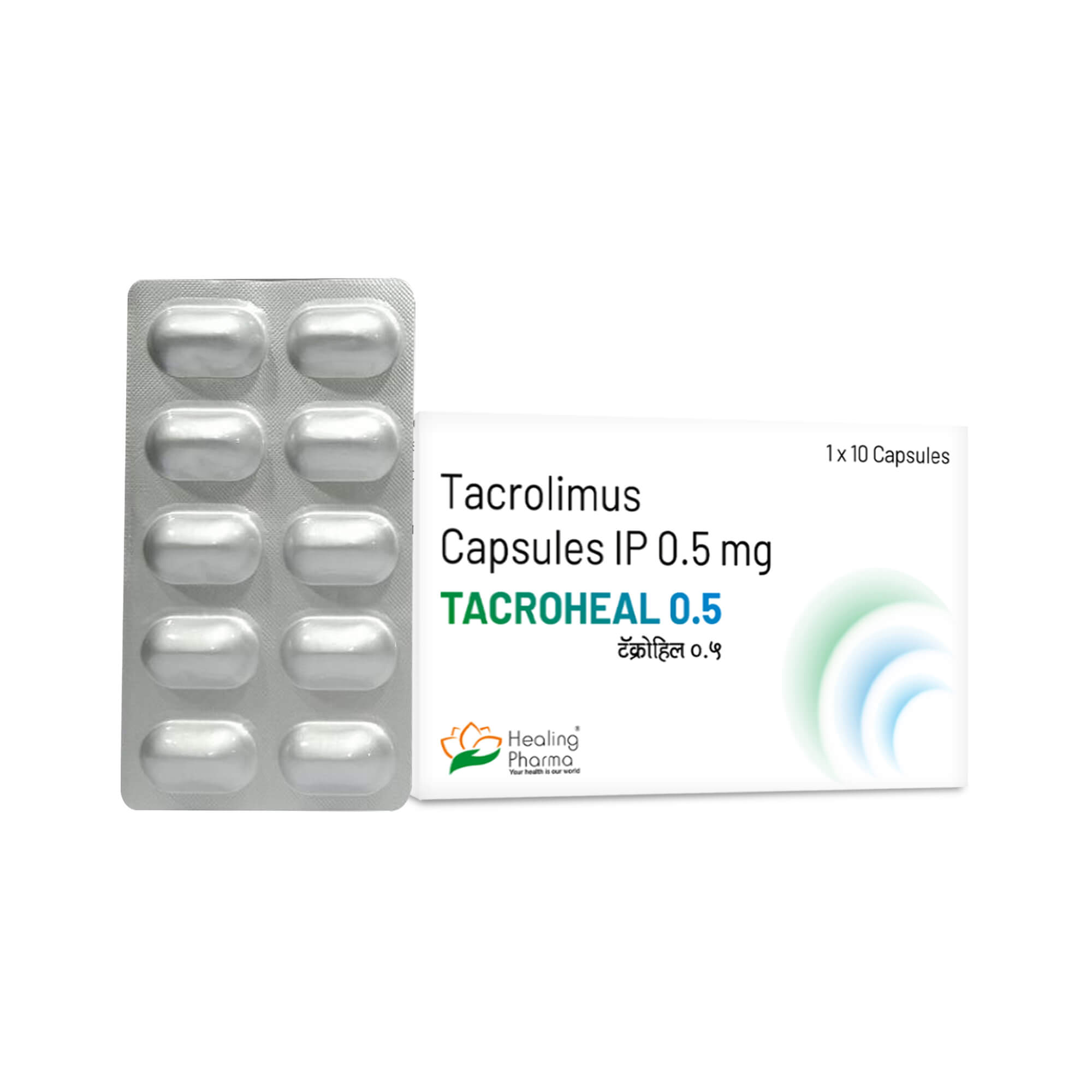
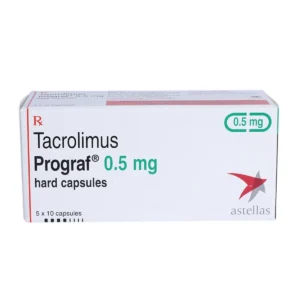
Tacroheal 0.5mg (Tacrolimus)
Previous product

Semanize 8mg (Semaglutide)
A$770.00 A$2,170.00Price range: A$770.00 through A$2,170.00
Next product
Tacroheal 1mg (Tacrolimus)
A$64.40 A$154.00Price range: A$64.40 through A$154.00
A$49.00 A$123.20Price range: A$49.00 through A$123.20
In Stock
In Stock
Tacroheal 0.5mg (Tacrolimus)
| Pack Size | Price | Quantity | Add To Cart | |
|---|---|---|---|---|
| 60 Capsule/s | A$49.00 | |||
| 120 Capsule/s | A$86.80 | |||
| 180 Capsule/s | A$123.20 | |||
| Want to order in bulk / B2B price? Send Inquiry | ||||
×
Sorry!! Out of Stock
Sorry! Tacroheal 0.5mg (Tacrolimus) is out of stock
Please click below to view other similar medications.
View All Tacrolimus Products

Offer You Can't Resist
Free Shipping
Enjoy Free Shipping on Orders above AUD304 (USD199)
Estimate Shipping :
16 June - 23 June
28
Last Updated on June 11, 2026

Description
Overview
Tacroheal 0.5mg is the name of a drug that has Tacrolimus, which is an immunosuppressant, which plays a crucial function in stopping the rejection of transplanted organs. It works by suppressing the body’s immune system in order to make sure that the organ transplanted will not be attacked by the body’s immune reaction. Tacrolimus can also be used for treating immune-mediated diseases as well as some skin diseases because of its capacity to control inappropriate immune system responses that are inappropriate.
Tacrolimus is a drug that blocks the T-cells’ activities (a kind of white blood cell) that cause immunological reactions that occur in the case of rejection of a transplant, as well as autoimmune diseases. The medication is offered in oral formulation and is usually given following a liver, kidney, heart, or pancreas transplant to decrease the chance of rejection from the organ.
- Active Ingredient: Tacrolimus 0.5mg per capsule
- Brand Name: Tacroheal
- Drug Class: Immunosuppressants (Calcineurin inhibitors)
Indications:
- Organ Transplantation:
- The prevention of rejection of organs for patients who receive liver, kidney, heart, and pancreas transplants.
- Sometimes, they are used with other drugs that suppress the immune system to stop rejection following the transplant operation.
- Autoimmune Diseases:
- Tacrolimus can be employed for the treatment of autoimmune diseases like lupus nephritis as well as rheumatoid arthritis in cases where other treatment options do not work.
- It decreases inflammation and also helps stop an immune system attack on tissues of the body.
- Skin Conditions:
- Topical Tacrolimus is utilized for treating conditions such as eczema (atopic skin dermatitis), psoriasis, and other inflammation-related skin conditions. But, Tacroheal in oral form is used mainly for transplants and for autoimmune diseases.
- Graft-versus-host Disease (GVHD):
- Tacrolimus is also used for treating GVHD. Tacrolimus can also be used to treat GVHD, a disorder that can develop following bone stem cell transplants in which the transplanted cells inflict harm on the tissue of the recipient.
Mechanism of Action:
- Tacrolimus is a drug that works by inhibiting the activity of calcineurin, the protein that stimulates T-cells within the immune system. It also blocks the creation of interleukin-2, an essential cytokine to activate T-cells. Through blocking this pathway, Tacrolimus effectively lowers the immune system’s capacity to detect and target the organ transplanted or tissue of the body (in the instance of autoimmune disorders).
- Through reducing the activity of T-cells, as well as other immune systems, Tacrolimus helps to maintain immunity suppression by preventing rejection during organ transplants, or in decreasing inflammation associated with autoimmune disorders.
Dosage and Administration:
- Dosage:
- Initial dose: The dose is determined individually depending on the kind of transplant, the weight of the patient, their kidney function, and the specific needs of the transplant.
- The common starting dose in kidney transplants is 0.1 to 0.2mg for every kilogram of body mass, divided into two doses every day.
- Maintenance dose: When the patient’s condition has stabilized and the patient’s condition improves, the dosage is lowered. A common maintenance dose ranges from 0.05 to 0.1mg per kilogram per day and is divided into 2 doses.
Other transplants may require different dosages. Doses may differ, and modifications are generally dependent on the amount of Tacrolimus in blood (through routine blood test). It is essential to have blood levels checked to make sure the medication can be effective and not reach dangerous levels.
- Administration:
- Oral form: You should take Tacroheal capsules as they are, without breaking or chewing. Tacroheal capsules can be consumed in combination with or without food.
- Consistent Timing: It’s crucial to take the medicine at the exact time each day to ensure maximum effectiveness.
- Missed dose: If you miss a dose, take it as quickly as you can, unless near time to take the next dose. Don’t double doses.
- Blood Level Monitoring:
- The regular blood tests are required to check the levels of tacrolimus. The ability to keep the levels of blood within a specified therapeutic limit is vital to the prevention of rejection, without causing toxicity.
Side Effects:
Common Side Effects:
- Headache: Often reported, particularly at the start of the treatment.
- Tremors: A slight shaking of hands or any other area that is part of your body.
- Nausea and Vomiting: Gastrointestinal issues are frequent in the majority of patients.
- Increased Risk of Infections: Since Tacrolimus reduces immunity, people could be more susceptible to getting infections.
- High Blood Pressure: Tacrolimus could cause a rise in blood pressure.
- Fatigue: A general feeling of fatigue and low energy levels.
Serious Side Effects:
- Kidney Dysfunction: Tacrolimus is toxic to the kidneys. A routine test of kidney function is required.
- Liver Damage: Higher levels of liver enzymes or jaundice (yellowing of the eyes and skin) could indicate problems with the liver.
- Severe Infections: Greater susceptibility to infections, including urinary tract infection, pneumonia, and fungal infections.
- Neurological Effects: The symptoms include seizures, confusion, or shifts in behavior.
- Hyperkalemia (High Potassium): Tacrolimus could affect potassium levels, which can lead to extremely high levels.
- Diabetes: A long-term usage of Tacrolimus can increase the likelihood of developing diabetes, particularly when used in large doses.
Very Rare but Serious Side Effects:
- Lymphoma or Skin Cancer: In light of its nature as an immunosuppressive, Tacrolimus may increase the likelihood of certain cancers, which include lymphomas as well as Skin cancers.
- Allergic Reactions: Rash, swelling, trouble breathing, and severe itching.
Contraindications:
Tacroheal 0.5mg is not recommended to be taken in the following circumstances:
- Hypersensitivity: People who have allergies to Tacrolimus or other components included in the formulation.
- Severe Liver Dysfunction: Tacrolimus is converted into metabolites through the liver. For patients suffering from impaired liver function of their liver, Tacrolimus can cause severe negative side effects.
- Pregnancy: Tacrolimus is only recommended to be taken during pregnancy when the benefits exceed the potential risk. It’s classified as a category C drug. This means that there’s no conclusive evidence that it is safe during pregnancy.
- Breastfeeding: Tacrolimus can be found in breast milk. It is usually recommended not to breastfeed during the course of this drug.
Drug Interactions:
Tacrolimus is a drug with a variety of significant interactions, such as:
- Cytochrome P450 Inhibitors: Tacrolimus is processed in the liver through liver enzymes, including the CYP3A4 enzyme. The drugs that block the enzyme (e.g., ketoconazole, fluconazole, erythromycin) may raise Tacrolimus levels and could cause the development of toxicity.
- Cytochrome P450 Inducers: Such drugs as Rifampin, carbamazepine, and phenytoin could decrease Tacrolimus levels, which can reduce the effectiveness of Tacrolimus.
- Other Immunosuppressants: Combining Tacrolimus together with other drugs that suppress the immune system, including corticosteroids or mycophenolate mofetil, needs careful surveillance in order to ensure that there is no accumulation of immune suppression.
- Diuretics: The use of medications that increase urination could cause dehydration or electrolyte imbalances. This can cause an increase in the risk of reactions associated with Tacrolimus.
- NSAIDs: Nonsteroidal anti-inflammatory medications such as Ibuprofen may increase the risk of kidney damage when taken together with Tacrolimus.
It is crucial to talk about every medication (including prescription drugs, vitamins and herbs) with your doctor prior to starting Tacrolimus.
Storage:
- Temperature: Store Tacroheal capsules at room temperature (15°C to 30°C / 59°F to 86°F).
- Store in a secure container that is child-proof to ensure that there is no chance of accidental intake.
- Stay out of direct sunlight as well as moisture.
FAQs:
What is Tacroheal 0.5mg used for?
Tacroheal 0.5mg is used primarily for its ability to help prevent rejection of organs in the aftermath of liver, kidney, or heart transplants. Additionally, it can be used to treat autoimmune disorders such as lupus nephritis as well as Rheumatoid arthritis.
How should I take Tacroheal 0.5mg?
Tacroheal 0.5mg is best taken by mouth at the same time each day. The tablet should be taken whole and should not be crushed or chewed. Tests for blood are required for monitoring the level of Tacrolimus in the blood of your patients.
What happens if I miss a dose?
If you are unable to take a dose, get the dose as soon as you remember, or until it’s time to take the next dose. Take two doses in one go.
Can Tacroheal cause kidney problems?
Yes, Tacroheal may indeed cause renal toxicities. Monitoring of kidney function regularly is essential during the treatment.
Can I stop taking Tacroheal once I feel better?
No, do not take a break from using Tacroheal without consulting your doctor. A sudden stoppage of medication may result in rejection of organs or flare-ups in autoimmune diseases.
Additional Information
| Active Ingredient: | Tacrolimus |
|---|---|
| Indication: | Prevention of Organ Rejection in Transplant Patients |
| Manufacturer: | Healing Pharma, India |
| Packaging: | 10 Capsules in 1 Strip |
| Strength: | 0.5mg |
| Delivery Time: | 7 To 15 days |
Related products

Recently Viewed

Reviews
There are no reviews yet.