

TacroBoon 1mg (Tacrolimus)
Previous product
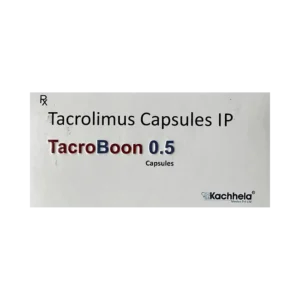
TacroBoon 0.5mg (Tacrolimus)
$35.00 $88.00Price range: $35.00 through $88.00
Next product
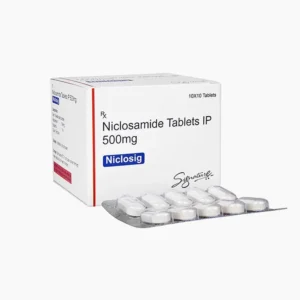
Niclosig 500mg (Niclosamide)
$45.00 $146.00Price range: $45.00 through $146.00
$46.00 $110.00Price range: $46.00 through $110.00
In Stock
In Stock
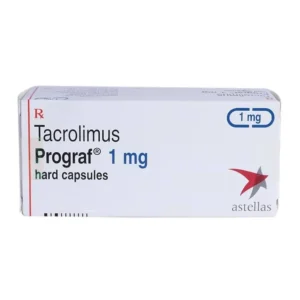
TacroBoon 1mg (Tacrolimus)
| Pack Size | Price | Quantity | Add To Cart | |
|---|---|---|---|---|
| 60 Capsule/s | $46.00 | |||
| 120 Capsule/s | $82.00 | |||
| 180 Capsule/s | $110.00 | |||
| Want to order in bulk / B2B price? Send Inquiry | ||||
×
Sorry!! Out of Stock
Sorry! TacroBoon 1mg (Tacrolimus) is out of stock
Please click below to view other similar medications.
View All Tacrolimus Products
Offer You Can't Resist
Free Shipping
Enjoy Free Shipping on Orders above AUD304 (USD199)
Estimate Shipping :
18 June - 25 June
45
Professional service
Professional service from start to finish. Secure packaging, authentic products, and excellent customer care.
 Australia
May 28, 2026
Last Updated on June 11, 2026

Description
Introduction
TacroBoon 1mg is a brand-name for the medication Tacrolimus, which is used primarily to treat anti-inflammatory conditions. It’s often used to stop rejection of organs when patients have received a kidney, liver, or heart transplant. Tacrolimus is a drug that blocks the process that triggers activated T cells, which are an essential component of the immune system’s reaction to foreign tissues (like the organ that was transplanted).
Tacrolimus can also help treat the symptoms of autoimmune disorders, including severe eczema (atopic dermatitis) in cases where other treatment options do not work.
- Generic Name: Tacrolimus
- Brand Name: TacroBoon (or other similar brand names, depending on the region)
- Form: Oral tablets (1mg)
Chemical Composition
- Active Ingredient: Tacrolimus (1mg per tablet)
- Inactive Ingredients: Lactose, magnesium stearate, and other excipients for tablet formulation.
- Storage: Keep at a room temperature (15-30°C or 59-86°F) in an air-tight, dry place far from excessive sunlight and water.
Mechanism of Action
Tacrolimus is the name of an inhibitor of calcineurin. It functions by binding an amino acid called FKBP-12 (FK506-binding protein) and then blocking the enzyme called calcineurin. Calcineurin typically activates T-cells within the system. By blocking calcineurin, Tacrolimus prevents T-cells from activating and blocking the immune response. It also prevents the body from rejecting transplanted organs. It also assists in controlling inflammation caused by autoimmune disorders.
In summary, Tacrolimus:
- Inhibits T-cell activation.
- The immune system is less able to fight transplanted organs and tissues.
- Inhibits inflammation in autoimmune conditions.
Indications and Uses
TacroBoon (Tacrolimus) is utilized for the following reasons:
- Prevention of Organ Rejection:
- For the kidney, liver, and liver transplants, Tacrolimus helps prevent the immune system from removing the organ that has been transplanted. Tacrolimus is usually used as a mixed therapy along with other immunosuppressants (such as corticosteroids and mycophenolate mofetil).
- Autoimmune Diseases:
- Tacrolimus can be prescribed to treat situations such as Atopic dermatitis (severe Eczema) or the condition known as psoriasis, which is a condition in which the immune system has become active.
- Other Off-Label Uses:
- Tacrolimus is a drug that can be taken on its own for other conditions that are immune-related, according to the advice of the healthcare professional.
Dosage and Administration
The dose of TacroBoon is to be determined dependent on the patient’s medical conditions, the kidney function, weight, and the patient’s response to the treatment. The most common dosages include:
- For Transplantation (Organ Rejection Prevention):
- The usual starting dose can be 0.1–0.15 mg/kg/day. It is typically given in two doses.
- The dosage can be altered according to the blood levels of tacrolimus to ensure that the dose remains within a prescribed level.
- Maintenance Dose: In general, between 4 and 12 mg/day, determined by the organ being transplanted and the patient’s response.
- For Autoimmune Diseases:
- Tacrolimus could be initiated with 0.03-0.1 mg/kg/day and then adjusted according to responses and tolerability.
Administration:
- Oral: Tacrolimus is taken in the mouth, typically in the form of tablets. It is usually taken as a tablet every day, either once or twice.
- Timing: The most common way to take it is on the basis of an empty stomach; however, it must be consumed consistently at the exact times every day.
- Swallow the tablet whole: Avoid chewing or crushing the tablet.
- Monitoring: Regular monitoring of blood levels of tacrolimus, as well as kidney functioning, is vital to ensure that the drug is in the right dosage and to avoid toxic effects.
Side Effects
Although Tacrolimus can be powerful, it could result in negative side effects. They can be classified as severe or mild:
Common Side Effects:
- Tremors or shakiness
- Headache
- High blood pressure (hypertension)
- Nausea or vomiting
- Diarrhea
- Fatigue
- Sleep disturbances (insomnia)
Serious Side Effects:
- Kidney damage or nephrotoxicity: Tacrolimus is a poison to the kidneys, specifically when blood pressure is overly high. A regular check of kidney function is vital.
- Increased risk of infections: As Tacrolimus inhibits the immune system, it can increase the likelihood of diseases such as opportunistic infections.
- Liver damage: Increased liver enzymes are common, which can lead to liver damage.
- Hypertension: High blood pressure can be found in Tacrolimus. Therefore, the monitoring of blood pressure is highly recommended.
- Hyperkalemia (high potassium levels): Potassium levels that are elevated can cause severe heart issues.
- Neurotoxicity: In some instances, Tacrolimus can cause adverse effects to the nervous system, including seizures, confusion, or hallucinations.
- New or worsening cancers: The long-term effects of immunosuppression may increase the chance of developing certain types of cancer, including skin cancer and lymphoma.
If any of the above signs occur, consult your healthcare professional right away.
Warnings and Precautions
- Kidney Function: Regular kidney function testing is vital because Tacrolimus may result in renal toxicity (damage to the kidneys). Adjustments to dosages may be required for patients with impaired kidney function.
- Infections: Tacrolimus can reduce the effectiveness of your immune system and make people more susceptible to getting sick. It is recommended to take extra precautions to prevent infection. Patients should notify any indications of illness (fever or cough).
- Blood Pressure: Tacrolimus may create hypertension, and the blood pressure needs to be checked often.
- Drug Interactions: Tacrolimus is converted in the liver via liver enzymes, including the CYP3A4 enzyme. Drugs that interfere with the enzyme (such as antifungals, antibiotics, and antivirals) could raise or lower the level of tacrolimus, which requires dosage adjustments.
- Pregnancy and Breastfeeding: Tacrolimus is categorized as Category C for pregnant women, which means that it can only be taken during pregnancy if absolutely needed. It’s excreted into the milk of breastfeeding mothers; it is recommended to use it with caution for breastfeeding mothers.
- Liver and Heart Conditions: Patients with heart or liver issues may require extra care and treatment when taking Tacrolimus.
Drug Interactions
Tacrolimus can interact with other drugs, which include:
- CYP3A4 Inhibitors (e.g., ketoconazole, clarithromycin, ritonavir): The drugs may increase the Tacrolimus levels, increasing the chance of toxic effects. The Tacrolimus dosage may have to be decreased.
- CYP3A4 Inducers (e.g., phenytoin, rifampin, St. John’s Wort): The drugs may reduce the levels of tacrolimus, which could lower its effectiveness.
- Other Immunosuppressants: Utilizing Tacrolimus along with other drugs that suppress the immune system could increase the risk of diseases and cancers of certain kinds.
- Diuretics: The use of drugs that cause increased urination may raise the risk of lower potassium or damage to the kidneys when combined in conjunction with Tacrolimus.
- Antihypertensive Medications: As Tacrolimus can cause elevated blood pressure, people using antihypertensive medication might require careful surveillance.
Be sure to inform your doctor regarding any additional medicines or supplements you’re using.
FAQs About TacroBoon (Tacrolimus)
- How long does Tacrolimus take to work?
- Tacrolimus can require some weeks or even months for it to demonstrate its complete efficiency, particularly for the prevention of rejection after transplants.
- Can I skip a dose of Tacrolimus?
- If you have missed a dose, get it as quickly as you can remember. If you are nearing the time to take your next dose, you can skip the dose that was missed. Don’t take two doses simultaneously.
- Can Tacrolimus cause weight gain?
- Tacrolimus in and of itself isn’t typically linked to weight gain of significant magnitude. However, it could trigger the retention of fluids or shifts in appetite in certain individuals.
- Can Tacrolimus be used for chronic autoimmune diseases?
- Yes, Absolutely, Tacrolimus is a treatment for the treatment of autoimmune disorders like severe eczema or inflammation-related skin disorders. But it is important to be closely monitored to avoid the long-term negative effects.
- What should I do if I feel unwell or experience side effects?
- If you are experiencing symptoms such as the symptoms of fever, sore throat, swelling, or intense fatigue, contact your healthcare doctor immediately. These may be indications of an illness or organ toxicity.
- How is Tacrolimus monitored?
- It is necessary to conduct blood tests for monitoring the level of tacrolimus in serum, kidney function, and the liver’s functioning. A regular blood pressure check and urine tests are suggested.
Additional Information
| Pack Size | 60 Capsule/s, 120 Capsule/s, 180 Capsule/s |
|---|
Related products

Recently Viewed


Reviews
There are no reviews yet.