

TacroBoon 0.5mg (Tacrolimus)
Previous product
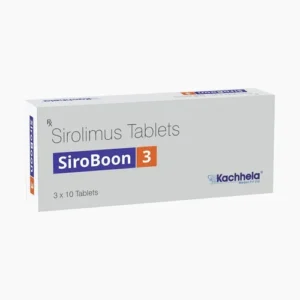
SiroBoon 3mg (Sirolimus)
$120.00 $405.00Price range: $120.00 through $405.00
Next product

TacroBoon 1mg (Tacrolimus)
$46.00 $110.00Price range: $46.00 through $110.00
$35.00 $88.00Price range: $35.00 through $88.00
In Stock
In Stock
TacroBoon 0.5mg (Tacrolimus)
| Pack Size | Price | Quantity | Add To Cart | |
|---|---|---|---|---|
| 60 Capsule/s | $35.00 | |||
| 120 Capsule/s | $62.00 | |||
| 180 Capsule/s | $88.00 | |||
| Want to order in bulk / B2B price? Send Inquiry | ||||
×
Sorry!! Out of Stock
Sorry! TacroBoon 0.5mg (Tacrolimus) is out of stock
Please click below to view other similar medications.
View All Tacrolimus Products


Offer You Can't Resist
Free Shipping
Enjoy Free Shipping on Orders above AUD304 (USD199)
Estimate Shipping :
19 June - 26 June
21
Last Updated on June 11, 2026

Description
Product Overview:
TacroBoon 0.5mg is the name of a drug that has Tacrolimus, which is a powerful anti-inflammatory medication that is used to stop the body from rejecting transplanted organs, as well as for managing various autoimmune conditions. Tacrolimus is a drug that suppresses the immune system in order to stop its attack on the newly transplanted organ or tissue.
TacroBoon is widely used by transplant recipients who have had the kidney, liver, and heart transplants. TacroBoon can be prescribed to treat an autoimmune condition that causes inflammation, like Rheumatoid Arthritis or Atopic Dermatitis, in certain circumstances. Inhibiting the function of specific immune cells, Tacrolimus reduces the likelihood of rejection of organs and also the frequency of autoimmune flare-ups.
Composition:
- Tacrolimus: 0.5 mg per capsule
- Formulation: Oral capsules
- Packaging: Typically available in blister containing 50 or 100 capsules
Mechanism of Action:
Tacrolimus is one of the calcium-inducing inhibitors. It acts by binding an enzyme called FKBP-12. This compound inhibits calcineurin, the enzyme that is essential to activate T-cells that play a role in the immune system of our body. Inhibiting the activation of T-cells, Tacrolimus stops your immune system from attacking newly transplanted organs or tissues. This is the reason it’s vital to avoid the rejection of organs in the aftermath of an organ transplant.
In addition, Tacrolimus can help reduce inflammation and irritation in conditions like atopic skin dermatitis through the suppression of specific immune systems involved in the inflammation process.
Indications:
TacroBoon is prescribed for:
- Organ Transplantation:
- To prevent rejection of organs in the event of liver, kidney, or heart transplants.
- Autoimmune Disorders:
- In certain instances, Tacrolimus may be used to treat serious forms of autoimmune disease such as rheumatoid arthritis, lupus, or psoriasis, even when the other therapies don’t work.
- Also, it can be used for treating atopic skin rashes (eczema), particularly for cases that are severe or moderate.
Dosage and Administration:
- Recommended Dosage for Organ Transplants:
- The dose that is initially administered varies depending on the type of transplantation and the patient’s medical condition. It is usually with 0.1-0.3 mg/kg/day, split into two doses.
- The dosage can be altered according to the levels of blood tacrolimus that are checked often to ensure that the therapeutic level is maintained, without causing toxic effects.
- Recommended Dosage for Autoimmune Conditions:
- For conditions such as Atopic skin dermatitis, typically the dosage begins with a lower dose (e.g., 0.5-0.1 mg every two days) and then is adjusted based on the response of the patient.
- Administration Instructions:
- TacroBoon is best taken by mouth with a glass of fluid. It’s best to consume it with a full stomach (1 an hour before or 2 hours after eating) for maximum intake.
- Do not chew or crush the capsules. Inhale them completely.
- The regular blood tests are necessary for monitoring the level of the drug as well as avoiding possible negative side effects, especially damage to the kidneys.
Side Effects:
Tacrolimus is an effective drug that can cause a range of possible side effects. The most common and severe negative effects can include:
- Common Side Effects:
- Headache
- Dizziness
- Nausea or vomiting
- Diarrhea or constipation
- Fatigue or weakness
- Elevated blood sugar (hyperglycemia)
- Increased blood pressure (hypertension)
- Tremors or shaking
- Loss of appetite
- Serious Side Effects:
- Kidney damage: Tacrolimus may be a cause of the development of nephrotoxicity (kidney damage), and that is the reason the kidney’s function should be checked often.
- Infection risk: As Tacrolimus reduces the immune system; it can increase the likelihood of getting infections such as opportunistic diseases, such as pneumonia, tuberculosis, and fungal diseases.
- Liver toxicity: Increased liver enzymes can cause problems that could lead to damage to the liver.
- Hypertension: Tacrolimus may cause or exacerbate hypertension that is managed with antihypertensive drugs.
- Cancers: The long-term use of Tacrolimus could raise the risk of certain cancers, notably those that affect the skin (melanoma), as well as lymphoma, as a result of the suppression of immune function.
- Hyperkalemia (high potassium levels): The condition could cause heart rhythm problems when not treated.
Note: Patients who are taking Tacrolimus must be monitored closely for the serious adverse effects, as dosage adjustments could be needed based on periodic blood tests.
Precautions:
- Kidney Function Monitoring:
Tacrolimus is considered to be nephrotoxic (toxic to the kidneys); therefore, the kidneys’ function should be checked by blood tests. Adjustments to dosages are usually required in order to limit the risks. - Infections:
Tacrolimus reduces the immune system and makes patients more prone to infection. Patients must avoid contact with those suffering from infections (e.g., colds and influenza, etc.) and report any signs of illness (fever, sore throat, or fatigue) immediately. - Pregnancy and Breastfeeding:
Tacrolimus is considered to be a pregnancy category C medication. That means it can only be taken in pregnancy when the advantages outweigh the risks. Tacrolimus is a drug that can be absorbed into breast milk. So breastfeeding mothers must consult with their doctor before taking the medication. - Liver or Heart Disease:
People suffering from liver diseases or other heart-related conditions might need special care or dose adjustment when taking Tacrolimus. - Interactions with Other Medications:
Tacrolimus is a drug that interacts with various medications, for example:- CYP3A4 inhibitors (e.g., ketoconazole, clarithromycin): This can boost the concentration of Tacrolimus in the bloodstream and increase the chance of toxicities.
- CYP3A4 inducers (e.g., rifampin, phenytoin): They can lower Tacrolimus levels, which may result in a decrease in the effectiveness.
- Other immunosuppressants (e.g., corticosteroids, mycophenolate): The combination of Tacrolimus along with other medications that inhibit the immune system could increase the risk of adverse reactions and infections.
Drug Interactions:
- CYP3A4 Inhibitors and Inducers:
The enzyme is affected by drugs CYP3A4, such as antifungal drugs (e.g., ketoconazole), antibiotics (e.g., clarithromycin), and other anti-seizure drugs (e.g., Phenytoin), which can interact with Tacrolimus by altering the blood levels, resulting in the drug becoming toxic or reducing its effectiveness. - Diuretics (e.g., furosemide): They are especially dangerous when combined with Tacrolimus, which could raise the chance of damage to the kidneys or imbalances in electrolytes (e.g., the high level of potassium).
- Vaccinations:
Patients on Tacrolimus should avoid live vaccines (e.g., measles-mumps-rubella), as the immunosuppressive effects of Tacrolimus can make the body less able to fight infections from live vaccines.
FAQ (Frequently Asked Questions):
How should I take TacroBoon?
TacroBoon is best taken orally, generally twice a day with a large glass of fluid. It is recommended to consume the capsules on an empty stomach for greater absorption. Don’t crush or chew the capsules.
What should I do if I miss a dose?
If you’ve missed a dose, you should take the dose as soon as you remember. If it’s time to take your next dose, don’t take the dose you missed and don’t duplicate the dose in order to compensate for the dose that was missed.
Can I take TacroBoon if I’m pregnant or breastfeeding?
TacroBoon is only recommended in pregnancy if absolutely required and only if the benefits exceed the potential risks. The drug could be passed into breast milk, and it is not advised to breastfeed when using Tacrolimus.
Can TacroBoon be used for conditions other than organ transplantation?
Yes, Absolutely, TacroBoon could be used to treat autoimmune diseases such as Rheumatoid Arthritis, as well as the atopic allergic dermatitis in specific instances where other therapies aren’t effective.
What side effects should I watch for while taking TacroBoon?
The most serious adverse consequences to be aware of include indications of kidney damage (swelling or darker urine, or a change in urine), infections (fever and chills), and problems with the liver (yellowing of the eyes or skin). It is important to have regular blood tests for monitoring these dangers.
How long will I need to take TacroBoon?
The length of TacroBoon treatment depends on the medical condition. In the case of transplant recipients, Tacrolimus may be taken to last the entire duration of the transplant to avoid rejection of the organ by making periodic adjustments to the dose.
Additional Information
| Pack Size | 60 Capsule/s, 120 Capsule/s, 180 Capsule/s |
|---|
Related products


Recently Viewed




Reviews
There are no reviews yet.