

Sparta 200mg (Sparfloxacin)
Previous product
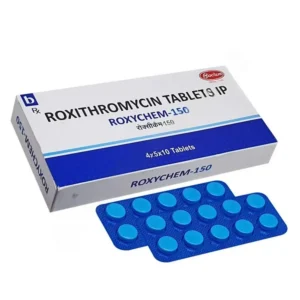
Roxychem 150mg (Roxithromycin)
A$30.32 A$68.59Price range: A$30.32 through A$68.59
Next product

Toba F Eye Drop 5ml (Tobramycin/Fluorometholone)
A$28.88 A$85.20Price range: A$28.88 through A$85.20
A$20.22 A$41.88Price range: A$20.22 through A$41.88
In Stock
In Stock
Sparta 200mg (Sparfloxacin)
| Pack Size | Price | Quantity | Add To Cart | |
|---|---|---|---|---|
| 30 Tablet/s | A$20.22 | |||
| 60 Tablet/s | A$38.99 | |||
| 90 Tablet/s | A$41.88 | |||
| Want to order in bulk / B2B price? Send Inquiry | ||||
×
Sorry!! Out of Stock
Sorry! Sparta 200mg (Sparfloxacin) is out of stock
Please click below to view other similar medications.
View All Sparfloxacin Products

Offer You Can't Resist
Free Shipping
Enjoy Free Shipping on Orders above AUD304 (USD199)
Estimate Delivery :
21 September - 28 September
44
Last Updated on June 07, 2026

Description
Product Information for Sparta 200mg (Sparfloxacin)
Brand Name: Sparta
Generic Name: Sparfloxacin
Strength: 200mg
Formulation: Oral Tablet
Indications:
- Treatment for bacterial infections such as chronic bronchitis, pneumonia, and skin diseases.
- It is used for Gram-positive as well as Gram-negative bacterial infections.
- Protective against certain infections such as Mycoplasma pneumoniae, Streptococcus pneumoniae, and Haemophilus influenzae.
Description
Sparta 200mg (Sparfloxacin) is a broad-spectrum fluoroquinolone antibiotic that’s used to treat a variety of bacterial infections. Sparfloxacin acts by blocking topoisomerase IV and DNA gyrase in bacterial cells. IV, the enzymes that is essential for the replication of bacterial cells, their repair, and transcription. In focusing on these enzymes, Sparfloxacin stops the bacterial DNA from unravelling, thus halting bacteria’s capacity to multiply and propagate.
Sparta 200mg is sold as a tablet and is generally taken each day. It is typically used for treatments for respiratory tract conditions, skin infections, and urinary tract infections. It may be especially effective when it comes to conditions caused by bacteria that are resistant to drugs.
Pharmacology
Sparfloxacin is a fluoroquinolone antimicrobial with potent action against Gram-positive as well as Gram-negative bacteria. It is a broad scope of action compared with other fluoroquinolones. It has a higher effectiveness against respiratory pathogens like Streptococcus pneumoniae as well as Haemophilus influenzae. It has a lengthy half-life that allows for one-time daily doses.
The medication is fully absorbed by the digestive tract, and its highest plasma concentrations usually reach their peak within 1 – 2 hours of ingestion. Its bioavailability is extremely high, which makes it extremely effective, even when administered orally.
Dosage and Administration
Adults:
- Respiratory Tract Infections (e.g., pneumonia, bronchitis): The recommended dosage is 200 mg once a day over 7-14 days, depending on the extent of the disease.
- Skin and Soft Tissue Infections: 200mg once daily for 7-14 days.
- Urinary Tract Infections: 200mg once daily for 5-10 days.
- The dose can be adjusted depending on the severity of liver or renal impairment, particularly for patients suffering from severely impaired renal function.
Administration:
- Sparta is best taken in a liquid form in combination with food or even without.
- The whole thing should be swallowed along with plenty of fluids.
- Avoid chewing, crushing, or breaking the tablets.
- To avoid drug interactions, Sparta should be taken at least 2 hours before or after taking anti-acids or other supplements that contain zinc or iron.
Missed Dose:
- If you’ve missed the dose, you should make sure to take it as soon as you can remember. If it’s time for your next dose, avoid the missed dose. Do not do two doses in one go.
Contraindications
- Hypersensitivity: Sparfloxacin should not be used in people who are hypersensitive to fluoroquinolones or sparfloxacin.
- Tendon Disorders: This medication should not be administered to patients with previous tendon issues, such as tendon rupture. Fluoroquinolones are linked to tendonitis as well as tendon rupture.
- Pregnancy and Lactation: Sparfloxacin is classified in Category C to treat pregnancy. It is only recommended to use it in cases where the potential benefits outweigh the risk to the foetus. It’s not recommended for mothers who are breastfeeding.
- Children and Adolescents: Sparfloxacin is not suggested for children younger than 18 due to the potential impact on the formation of cartilage joints.
Warnings and Precautions
- QT Interval Prolongation: Sparfloxacin could extend the QT interval. This can raise the risk of potentially life-threatening arrhythmias (e.g., the torsades de pointes). Be cautious in those with an arrhythmia history or who are taking any other medication that prolongs the QT interval.
- CNS Effects: Patients may be affected by symptoms of confusion, dizziness, hallucinations, or seizures. When these signs are observed, the medication should be discontinued.
- Gastrointestinal Disorders: The drug can cause stomach disturbances such as nausea, vomiting, and abdominal discomfort. If you experience persistent or extreme diarrhea, it must be examined for the likelihood of Clostridium difficile.
- Hepatic Dysfunction: Sparfloxacin is a drug to be avoided for patients suffering from liver diseases. Tests for liver function must be monitored throughout the duration of treatment.
- Photosensitivity: The drug can cause a greater susceptibility to sunlight. This could lead to increased risks of sunburn. Patients are warned to stay clear of excessive exposure to sunlight and take protective precautions, including sunblock and clothing that is protective clothing.
- Tendonitis and Tendon Rupture: There are instances of tendonitis as well as tendon ruptures in patients on fluoroquinolones. If inflammation or pain in the tendon is observed, the patient must take the medication off and stay away from exercise until he or she is examined by a medical professional.
Side Effects
Common side effects that occur with Sparfloxacin are:
- Nausea and vomiting
- Diarrhea
- Dizziness or lightheadedness
- Insomnia
- Skin rash or photosensitivity
Serious side effects include:
- Tendonitis or tendon rupture
- QT interval prolongation and potential arrhythmias
- CNS effects such as seizures, confusion, or hallucinations
- Clostridium difficile-associated diarrhea
- Hepatotoxicity (liver damage), is a sign of liver damage, as seen in symptoms such as the appearance of yellowing on the eye or skin or eyes, dark urine, or abdominal discomfort.
Drug Interactions
- Antacids, Sucralfate, Iron, and Zinc Supplements: They can hinder the metabolism of Sparfloxacin and reduce its effectiveness. It is advised to time Sparfloxacin use two hours at the minimum prior to or following the use of these medicines.
- CYP450 Inhibitors: The use of medications such as ketoconazole, cimetidine, and erythromycin can hinder the metabolism of Sparfloxacin and lead to greater blood concentrations of the drug.
- Warfarin: Sparfloxacin can increase the anticoagulant effects of warfarin. This can increase the chance of bleeding. Regular monitoring of INR is suggested if the medications are administered together.
- Antiarrhythmic Drugs: Use of antiarrhythmic medicines in conjunction (e.g., amiodarone) could increase the risk of QT interval lengthening and arrhythmias.
Use in Special Populations
Pregnancy:
- Sparfloxacin can be prescribed during pregnancy only if the advantages outweigh any potential dangers. Studies on animals have revealed adverse side effects, but there is no research that has been conducted on humans.
Breastfeeding:
- Sparfloxacin is not advised for breastfeeding mothers because of the risk of serious side effects in babies.
Geriatric Use:
- The elderly are more susceptible to side effects of Sparfloxacin, specifically those that are related to QT extension. A dose adjustment is possible.
Pediatric Use:
- Sparfloxacin should not be used in young or adolescent patients because of the possibility of injury to cartilage or musculoskeletal conditions.
FAQ
Q1: How long does it take for Sparfloxacin to work?
- The effects of Sparfloxacin usually begin within the first few hours to an entire day after the start of treatment. But, it’s important to finish the entire regimen of treatment according to the prescribed regimen regardless of whether symptoms have improved.
Q2: Can I drink alcohol while taking Sparfloxacin?
- Even though moderate consumption of alcohol is not a specific contraindication, it can cause adverse effects such as dizziness or stomach discomfort. It is advised to restrict the consumption of alcohol while you are being treated.
Q3: Can Sparfloxacin be taken with other antibiotics?
- Sparfloxacin can be utilized in conjunction with other antibiotics. However, it is recommended to be cautious due to possible interactions between drugs. Talk to your doctor before combining medicines.
Q4: Is Sparfloxacin effective against all bacterial infections?
- Sparfloxacin has been proven effective against a wide range of bacteria, it is not effective against all bacteria. It’s especially effective in dermatologic, respiratory, and urinary tract infections that are caused by resistant bacteria.
Q5: What should I do if I miss a dose of Sparfloxacin?
- If you don’t remember a dose, you should take the dose as soon as you remember it, unless nearing the time to take the next dose. If that’s the case, you can skip the dose you missed. Take two doses simultaneously to cover a missed dose.
Q6: How should I store Sparfloxacin?
- Store Sparfloxacin in a cool, dry place and far from heat and moisture. Make sure to keep the medication in the original container and out of the reach of young children.
Summary
Sparta 200mg (Sparfloxacin) is a strong fluoroquinolone antibacterial that can be used to treat many infections caused by bacteria, such as respiratory tract infections, as well as the skin and the urinary tract. With its broad range of activities, it’s specifically effective for combating infections caused by drug-resistant organisms. Although Sparfloxacin is generally well-liked, it may cause adverse consequences such as digestive problems, dizziness, and photosensitivity. Other serious adverse effects, like tendonitis or QT delay, are possible, and therefore, caution is suggested, particularly in populations at risk. Sparfloxacin must be taken only with the advice of a medical professional, paying attention to possible interactions with other medications and contraindications.
Additional Information
| Pack Size | 30 Tablet/s, 60 Tablet/s, 90 Tablet/s |
|---|
Related products









Reviews
There are no reviews yet.