

Soliact 10mg (Solifenacin)
Previous product
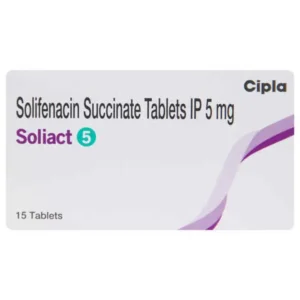
Soliact 5mg (Solifenacin)
A$42.00 A$119.00Price range: A$42.00 through A$119.00
Next product
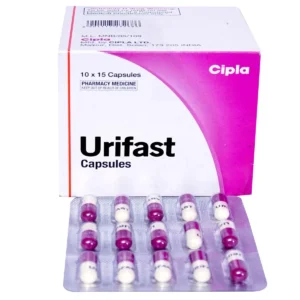
Urifast 100mg (Nitrofurantoin)
A$15.40 A$39.20Price range: A$15.40 through A$39.20
A$53.20 A$154.00Price range: A$53.20 through A$154.00
In Stock
In Stock
Soliact 10mg (Solifenacin)
| Pack Size | Price | Quantity | Add To Cart | |
|---|---|---|---|---|
| 30 Tablet/s | A$53.20 | |||
| 60 Tablet/s | A$105.00 | |||
| 90 Tablet/s | A$154.00 | |||
| Want to order in bulk / B2B price? Send Inquiry | ||||
×
Sorry!! Out of Stock
Sorry! Soliact 10mg (Solifenacin) is out of stock
Please click below to view other similar medications.
View All Solifenacin Products

Offer You Can't Resist
Free Shipping
Enjoy Free Shipping on Orders above AUD304 (USD199)
Estimate Shipping :
07 June - 14 June
31
Last Updated on May 29, 2026

Description
Product Information for Soliact 10mg (Solifenacin)
Brand Name: Soliact
Generic Name: Solifenacin
Strength: 10mg
Formulation: Oral Tablet
Indications:
- Treatment for overactive bladder (OAB) and symptoms such as frequent urination, urgency, and incontinence.
- Treatment for neurogenic detrusor overloads (NDO) that is associated with diseases such as multiple sclerosis and spinal cord injuries.
Description
Soliact 10mg (Solifenacin) is the name of a drug designed to treat the condition of overactive bladder (OAB) as well as related urinary issues. It’s part of a category of medicines called antimuscarinics, also known as anticholinergics. Solifenacin acts by reducing the actions of acetylcholine, the neurotransmitter responsible for triggering muscle contractions within the bladder. Inhibiting the actions of acetylcholine, Solifenacin can reduce bladder involuntary muscles, resulting in reduced urgency, frequency, and incontinence.
Soliact is available as a tablet, and comes in 10 mg, being the standard dosage for adults. Soliact is generally prescribed for life changes, or alternative treatments with less power are not effective.
Pharmacology
Solifenacin specifically binds to muscarinic receptors that are found in the urinary tract and bladder, specifically the M3 receptor. It exhibits a very high affinity for these receptors. This allows it to decrease the contraction of bladder muscles as well as minimize the adverse effects that can occur in other systems in the body. Also, it comes with a long period of effect, which makes it ideal for daily doses.
The plasma’s highest concentration usually occurs within 3-8 hours following oral administration. The effects may extend for up to 24 hours, based on the individual’s metabolism.
Dosage and Administration
Adults:
- The recommended dosage to take Soliact 10mg is one tablet per day.
- If you have patients suffering from mild to moderate renal impairment or with moderate liver impairment, the initial dosage may be decreased to 5mg daily.
- Adjusting dosages may be required in patients who are taking any other medication that interacts with Solifenacin.
Elderly Patients:
- Patients who are older are more susceptible to the adverse effects of Solifenacin, particularly in relation to the retention of urine and dry mouth. Dosage should be adjusted depending on the tolerance of each patient.
Administration:
- Use Soliact 10mg tablets orally, in combination with or without food.
- Tablets should be taken in their entirety and should not be crushed or chewed.
Missed Dose:
- If you are unable to take your dose, get it back whenever you can remember or until it’s close to the scheduled time of the next dose. Don’t take more than one dose to compensate for an absence.
Contraindications
- Hypersensitivity: Soliact shouldn’t be taken by those with an allergy to Solifenacin or any other components that are inactive components in the tablet.
- Urinary Retention: It is not recommended for patients who have a previous history of urinary retention or gastric retention.
- Severe Hepatic Impairment: It is important to exercise caution, and the drug may be ineffective for patients suffering from chronic liver disease.
- Uncontrolled Narrow-Angle Glaucoma: Soliact shouldn’t be taken by those suffering from the condition.
- Severe Renal Impairment: Be cautious in those with a severe impairment of the kidneys.
Warnings and Precautions
- Cognitive Effects: Solifenacin can cause cognitive impairment or affect driving ability and the operation of machines. The patient should refrain from such things until they know how the drug impacts them.
- Gastrointestinal Motility: People suffering from gastrointestinal problems, including constipation, must be cautious because Solifenacin could reduce the mobility of the stomach.
- Urinary Tract Infection: Solifenacin can lead to an increase in the chance of retaining urine, which could contribute to urinary tract infections (UTIs).
- Heat Prostration: Anticholinergic medicines such as Solifenacin could reduce sweating, which increases the risk of suffering heat stroke when in extreme heat.
Side Effects
Common side effects of Soliact 10mg include:
- Dry mouth
- Constipation
- Blurred vision
- Urinary retention
- Dizziness or lightheadedness
- Fatigue
- Nausea
Even though they are not common, it could be a result of:
- Severe allergic reactions (rash, itching, swelling)
- Difficulty urinating or painful urination
- Cognitive impairment (memory loss, confusion)
- Increased heart rate or arrhythmias
- Symptoms of heat stroke (high body temperature, dry skin, dizziness)
If any of these severe adverse reactions occur, you should immediately seek medical care.
Drug Interactions
- CYP3A4 Inhibitors: Certain drugs that hinder or inhibit the CYP3A4 enzyme, for example, ketoconazole or erythromycin, may raise concentrations in the blood of Solifenacin and must be taken cautiously.
- Anticholinergic Drugs: The use of Solifenacin in conjunction with other anticholinergic drugs increases the likelihood of adverse effects from anticholinergic medications, such as constipation, dry mouth, and cognitive decline.
- Beta-Blockers: Be cautious when mixing Solifenacin along with beta-blockers, as they may increase the chance of urinary retention as well as various other negative side effects.
Use in Special Populations
Pregnancy:
Solifenacin is classified as a Category C drug for pregnant women. This means that studies on animals have revealed negative effects. However, there aren’t any studies that have been well-controlled on human beings. Soliact is a contraindication that is not recommended during pregnancy, unless it is necessary.
Breastfeeding:
It’s unclear if Solifenacin is absorbed into the breast milk. The choice to utilize the medication during breastfeeding must be discussed with your healthcare professional.
Pediatric Use:
Solifenacin should not be used for youngsters under 18 years.
Geriatric Use:
The elderly are more vulnerable to side effects of Solifenacin, including the occurrence of confusion as well as urinary retention. Adjustments to dosage and more frequent surveillance may be needed.
FAQ
Q1: How long will it take for Soliact to work?
Soliact can begin to show signs of improvement within a couple of days after treatment. However, it could take between 2 and four weeks for an improvement in the symptoms of an overactive bladder.
Q2: Can I drink alcohol while taking Soliact?
It is generally recommended not to drink alcohol when taking Solifenacin since alcohol could cause several side effects to be more severe, such as dizziness or drowsiness.
Q3: Can I stop taking Soliact suddenly?
It’s not recommended to discontinue Soliact abruptly since abruptly stopping the medication could cause a rebound of the symptoms. Consult your physician before stopping.
Q4: Is Soliact effective for everyone?
Although Soliact can be effective in many patients suffering from urinary tract problems, the results may differ. If you are not experiencing relief within a few weeks, your physician may alter your dose or recommend another treatment option.
Q5: Can Soliact be used for children with overactive bladder?
Soliact isn’t recommended for use by young children who are not yet 18 years old.
Q6: How should I store Soliact?
Keep Soliact within the room at a temperature of 20°C, far from heat and moisture. Store the medicine in its original package to keep it safe against light.
Summary
Soliact 10mg (Solifenacin) is an effective remedy for treating overactive bladder (OAB) symptoms like the frequency of urinary discharge, urgency, and incontinence. Because it acts as a muscarinic antagonist, it functions to reduce bladder contractions while increasing the capacity of the bladder. It is generally very well-tolerated; frequent side effects are constipation, dry mouth, and dizziness. Rarely do you experience serious side effects; however, they can result in cognitive impairment or urinary retention. Soliact should not be used in patients suffering from specific conditions, including urinary retention and extreme liver impairment. Similar to any other medication, it is important to monitor the patient closely and make dose adjustments are essential, particularly for patients who are elderly or have medical issues.
Additional Information
| Manufacturer | Cipla Limited |
|---|---|
| Pharmaceutical | Tablet/s |
| Strength | 10mg |
| Pack Size | 30 Tablet/s , 60 Tablet/s , 90 Tablet/s |
Related products



Recently Viewed


Reviews
There are no reviews yet.