

Sertacide Cream (Sertaconazole)
Previous product
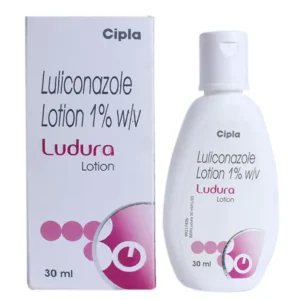
Ludura Lotion (Luliconazole)
A$19.60 A$47.60Price range: A$19.60 through A$47.60
Next product
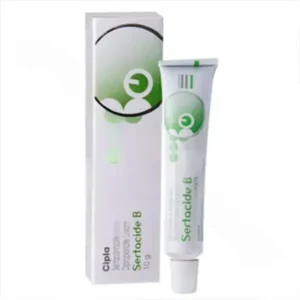
Sertacide B Cream (Sertaconazole/Beclometasone)
A$7.00 A$37.80Price range: A$7.00 through A$37.80
A$5.60 A$28.00Price range: A$5.60 through A$28.00
In Stock
In Stock
Sertacide Cream (Sertaconazole)
| Pack Size | Price | Quantity | Add To Cart | |
|---|---|---|---|---|
| 1 Cream | A$5.60 | |||
| 3 Cream/s | A$15.40 | |||
| 6 Cream/s | A$28.00 | |||
| Want to order in bulk / B2B price? Send Inquiry | ||||
×
Sorry!! Out of Stock
Sorry! Sertacide Cream (Sertaconazole) is out of stock
Please click below to view other similar medications.
View All Sertaconazole Products

Offer You Can't Resist
Free Shipping
Enjoy Free Shipping on Orders above AUD304 (USD199)
Estimate Shipping :
07 June - 14 June
27
Excellent service
Excellent service! My order was processed quickly and delivered on time. The medicines were well-packaged and exactly as described. Highly recommended.
 Australia
May 26, 2026
Last Updated on May 27, 2026

Description
Introduction
Sertacide Cream consists of sertaconazole nitrate, which is an antifungal medicine that is prescribed to treat various fungal infections that affect the skin. It’s commonly recommended for ailments such as ringworm, athlete’s foot, candidiasis, jockitch and other yeast infections. Sertaconazole is renowned for its broad antifungal properties and the ability to treat persistent infections with ease.
In this post, we’ll go over the basics of Sertacide Cream and how it functions, as well as when and how you can utilize it, the potential adverse effects, and the steps to follow for a safe and efficient treatment.
What Is Sertacide Cream?
Sertacide Cream is an antifungal topical treatment whose principal ingredient is sertaconazole. It is part of the class of imidazole antifungals that are effective by preventing the production of ergosterol, which is a vital element of cells of fungal origin. In the absence of ergosterol, fungal cells are weaker and then die.
Sertacide can be used to combat fungal and yeast skin infections. It is admired for its wide range of action against the dermatophytes (fungi which cause skin irritations common to people), as well as yeasts and certain bacteria that are gram-positive.
How Does Sertacide Cream Work?
Sertaconazole interferes with the production of ergosterol, which is an important substance in the membrane of fungal cells. The deficiency causes damage to the integrity and functionality of the fungal cell membrane, leading to leakage of cell elements and eventually fungal cell death.
Additionally, sertaconazole was demonstrated to have anti-inflammatory as well as antibacterial properties that can aid in reducing redness, itching, and other bacterial infection that is that are associated with fungal skin issues.
What Conditions Does Sertacide Treat?
Sertacide Cream can be recommended for:
- Tinea infections (Dermatophytosis):
- Athlete’s foot (tinea pedis)
- Ringworm (tinea corporis)
- Jock itch (tinea cruris)
- Cutaneous candidiasis:
- Infections with yeast that affect moist skin regions like the groin, the armpits, and under the breasts.
- Other fungal skin infections:
- Fungal infections of the nail or scalp may occur even though specialized solutions are the best choice to treat these
How to Use Sertacide Cream
- Dry and clean the region well prior to application of the lotion.
- Use a light layer of Sertacide Cream on the afflicted skin as well as the area around it.
- Utilize twice a day (morning and evening) or as prescribed by your doctor.
- Keep treatments going for the entire scheduled duration, which is usually two to four weeks, even if the symptoms start to improve. If you stop treatment too early, it could cause the disease to return.
- Do not cover the part with airtight dressings unless directed.
- Make sure you wash your hands immediately after applying the cream.
Important Tips for Best Results
- Keep your hygiene in check and ensure that the area infected is free of dirt and dry.
- Beware of sharing towels, clothes, or shoes to avoid spreading the virus.
- Use breathable clothing, particularly when you are in humid or hot environments.
- If the symptoms get worse or don’t improve following all treatment courses, consult your physician.
Possible Side Effects of Sertacide Cream
A majority of people are tolerant Sertacide Cream very well. However, some experience:
- The sensation of burning or stinging is mild on the site of application
- Redness, itching, or irritation
- Dryness or peeling of the skin
- Allergic reactions (rare), including rash, swelling, or hives
If a severe or allergic reaction develops, stop the use and consult a physician.
Who Should Avoid or Use Caution with Sertacide?
- Anyone with a known allergy to sertaconazole or another component in the cream must stay clear of the cream.
- Avoid contact with the eyes or mouth membranes. If contact is accidental, wash thoroughly using water.
- The use of sunscreen is generally not advised on areas with large pores for infants and young children unless it is prescribed.
- Tell your physician if you are nursing or pregnant before commencing treatment.
How Long Does It Take for Sertacide Cream to Work?
It is common to see improvement within just a couple of days. However, the complete healing process can take between two and four weeks based on the extent and nature of the infection. It is crucial to follow all of the treatment even if the symptoms do not appear for a while to stop the possibility of recurrence.
Can Sertacide Be Used for Nail or Scalp Fungal Infections?
Sertacide Cream is designed primarily for skin problems. The scalp and nail fungal infections typically require antifungal medication systemically or specific topical treatments due to the challenges of getting into the scalp and nail thoroughly.
Storage Instructions
Store Sertacide cream at room temperature, and keep it away from sunlight and humidity. Make sure it is out of the access of young children.
Summary Table: Sertacide Cream (Sertaconazole)
| Feature | Details |
| Drug Class | Imidazole antifungal |
| Active Ingredient | Sertaconazole nitrate |
| Uses | Tinea infections, cutaneous candidiasis |
| Application | Topical cream, twice daily |
| Duration of Treatment | 2 to 4 weeks |
| Common Side Effects | Burning, redness, itching |
| Serious Side Effects | Allergic reactions (rare) |
| Precautions | Avoid eyes, known allergies, pregnancy caution |
Conclusion
Sertacide Cream (sertaconazole) is an effective, topical treatment that treats commonly occurring fungal infections on the skin. Its antifungal, anti-inflammatory, and antibacterial characteristics provide it with a variety of options for yeast and dermatophyte infections. Following the instructions as well as maintaining a healthy hygiene routine is essential to a successful treatment as well as preventing the recurrence of infection.
If you notice unusual signs or persist with your infection over the course of treatment, consult your physician for a more thorough evaluation.
Additional Information
| Manufacturer | Cipla Limited |
|---|---|
| Pharmaceutical | Cream/s |
| Strength | 10g |
| Pack Size | 1 Cream , 3 Cream/s, 6 Cream/s |
Related products
Recently Viewed

Reviews
There are no reviews yet.