
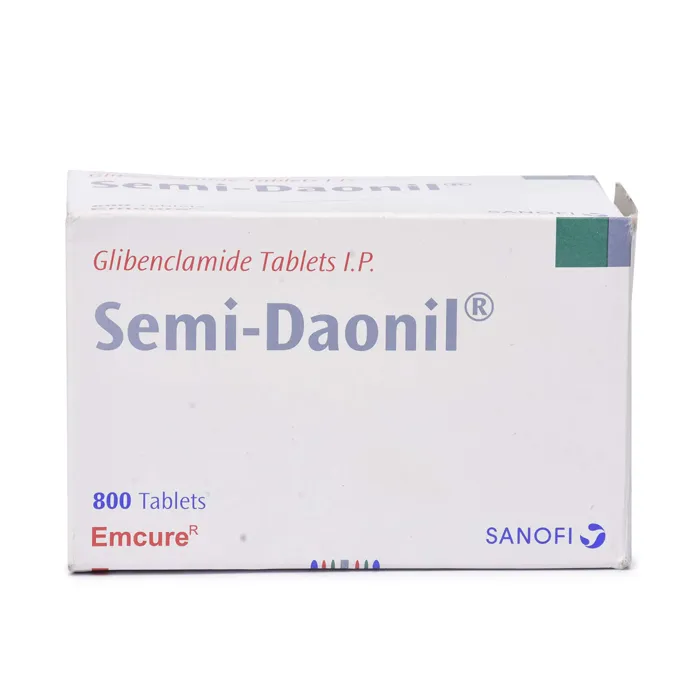
Semi Daonil 2.5mg (Glibenclamide)
Previous product
Azoran 50mg (Azathioprine)
A$39.59 A$111.18Price range: A$39.59 through A$111.18
Next product
Sicriptin 1.25mg (Bromocriptine)
A$31.59 A$77.21Price range: A$31.59 through A$77.21
A$13.15 A$19.65Price range: A$13.15 through A$19.65
In Stock
In Stock
Semi Daonil 2.5mg (Glibenclamide)
| Pack Size | Price | Quantity | Add To Cart | |
|---|---|---|---|---|
| 60 Tablet/s | A$13.15 | |||
| 90 Tablet/s | A$15.34 | |||
| 120 Tablet/s | A$19.65 | |||
| Want to order in bulk / B2B price? Send Inquiry | ||||
×
Sorry!! Out of Stock
Sorry! Semi Daonil 2.5mg (Glibenclamide) is out of stock
Please click below to view other similar medications.
View All Glibenclamide Products

Offer You Can't Resist
Free Shipping
Enjoy Free Shipping on Orders above AUD304 (USD199)
Estimate Delivery :
26 October - 02 November
30
Great customer service
Great customer service and a straightforward ordering process. I’m very satisfied
 Australia
September 28, 2026
Last Updated on May 20, 2026

Description
Introduction
Semi Daonil 2.5mg is a source of the drug glibenclamide. It is an extensively used oral medicine to treat Type 2 diabetes. It is part of the sulfonylurea group of medications that function by triggering the release of insulin through the pancreas. This can help lower blood sugar levels for those who are unable to achieve sufficient control of their blood sugar levels through exercise and diet on their own.
This article will cover all that you should learn concerning Semi Daonil 2.5 mg, including the way it functions and its advantages, potential negative effects, safety measures for dosing, and recommendations for patients.
What is Semi Daonil 2.5 mg?
Semi Daonil is the brand name used to describe the drug glibenclamide (also referred to as glyburide in certain countries), which is an oral hypoglycemic drug. The medication is usually given to patients suffering from type 2 diabetes in order to enhance the control of glycemic levels by increasing the production of insulin.
Semi Daonil 2.5 mg is a smaller-dose tablet that is often prescribed for a first dose, or in patients who require an enlightened reduction in their blood sugar.
How Does Semi Daonil Work?
Glibenclamide is a sulfonylurea, which lowers blood glucose levels by activating pancreatic beta cells to secrete additional insulin. It attaches to certain receptors in these cells, thereby closing potassium channels that are sensitive to ATP, which induces cell depolarization and the secretion of insulin.
Since it boosts insulin levels, it is most effective for patients with functioning beta cells. This means that it is not appropriate for people with type 1 diabetes or type 2 diabetes that has pancreatic exhaustion.
Uses and Therapeutic Benefits
- Type 2 Diabetes Management: Semi Daonil is recommended to those who suffer from type 2 diabetes, who have a lifestyle change, like exercise and diet that are not enough to ensure good blood sugar levels.
- Monotherapy or Combination Therapy: It may be administered by itself or as a part of a combination with anti-diabetic medications and insulin to attain more effective glycemic control.
- Affordable and Effective: Since it is one of the more seasoned Sulfonylureas that are cost-effective, glibenclam and readily available.
Dosage and Administration
- The recommended starting dosage is 2.5 mg, either once or twice every day, based on blood glucose levels as well as the individual’s response.
- The dose can be lowered gradually, generally until a maximum of 20 mg daily, in portions.
- Semi Daonil is best taken before meals or in conjunction with them to lower the risk of developing hypoglycemia.
- A regular blood sugar check is vital to regulate dosage safely.
Side Effects
Common Side Effects
- The condition known as hypoglycemia (low levels of blood sugar) is a condition that may be severe or mild; it is the biggest danger.
- Gain in weight, which is usually associated with an increase in insulin levels.
- Gastrointestinal symptoms such as nausea, vomiting, and abdominal pain.
- Skin reactions that are allergic, such as itching or rash.
Serious Side Effects
- Severe Hypoglycemia: Signs of ailment include sweating and shakiness, confusion, dizziness, weakness, in the most extreme instances, losing consciousness, or seizures.
- Allergic Reactions: The rarer cases can also include the skin reaction of angioedema, or even severe cases.
- Blood Disorders: Rare, but can include the following: agranulocytosis, thrombocytopenia, or hemolytic anemia.
- Liver Dysfunction: The need for monitoring is a possibility when symptoms of liver issues (jaundice and black urine) manifest.
Who Should Avoid Semi Daonil?
- Patients with type 1 diabetes.
- People with diabetic ketoacidosis and excessive hyperglycemia, acidosis, or severe.
- Patients who are hypersensitive to the sulfonylureas.
- Women who are pregnant or breastfeeding mothers, except when clearly required.
- Patients with significant liver or kidney impairment need to be cautious.
Precautions and Monitoring
- Risk of Hypoglycemia: Patients must be taught about how to recognize and manage lower blood sugar levels.
- Kidney and Liver Function: A regular monitoring program is suggested because impaired function could make it more difficult to accumulate drugs and increase the risk of hypoglycemia.
- Elderly Patients: A higher risk of hypoglycemia. Dosages must be at a low level and then adjusted carefully.
- Alcohol: Avoid or reduce because it may cause hypoglycemia.
Managing Hypoglycemia
- Use fast-acting carbohydrates such as glucose tablets or drinks with sugar.
- Notice early signs and seek treatment immediately.
- A severe hypoglycemia situation requires immediate medical care.
Lifestyle and Dietary Advice
- Make sure you have a balanced and healthy diet, with constant intake of carbs to control blood sugar.
- Regular physical exercise increases the sensitivity of insulin, but it requires constant control to avoid hypoglycemia.
- Do not skip meals, particularly during the time you are taking Semi Daonil.
Drug Interactions
- Certain medicines can raise the chance of developing hypoglycemia when combined with glibenclamide. Examples include:
- Other antidiabetic drugs.
- Certain antibiotics, antifungals, and heart medications.
- Alcohol.
- Your healthcare professional should be aware of any medications or supplements you take.
Real-World Patient Experiences
A lot of patients are pleased with Semi Daonil’s efficiency in reducing blood sugar levels as well as its price. Yet, hypoglycemia remains an issue that requires proper dose management and training.
Certain patients experience abdominal discomfort, weight gain, and stomach pain; however, these adverse effects usually improve after a period of duration or dosage adjustment.
Summary Table
| Aspect | Details |
| Drug Class | Sulfonylurea |
| Active Ingredient | Glibenclamide |
| Indication | Type 2 diabetes mellitus |
| Usual Dose | 2.5 mg once or twice daily, adjustable |
| How to Take | Before or with meals |
| Common Side Effects | Hypoglycemia, weight gain, nausea |
| Serious Side Effects | Severe hypoglycemia, allergic reactions, blood disorders |
| Contraindications | Type 1 diabetes, ketoacidosis, allergy |
| Monitoring | Blood sugar, kidney/liver function |
| Lifestyle Tips | Balanced diet, regular exercise, avoid alcohol |
Final Thoughts
Semi Daonil 2.5 mg (glibenclamide) is a well-tested and well-known oral medication for diabetes that can help those suffering from type 2 diabetes to achieve improved blood sugar management. It’s a low-cost and efficient treatment choice that is especially effective when coupled with changes in lifestyle.
In light of its potential for hypoglycemia, it is essential to be cautious with dosage, patient education, and constant surveillance. Patients need to work closely with their medical professionals in order to maximize their treatment and control any adverse consequences.
Related products



Reviews
There are no reviews yet.