
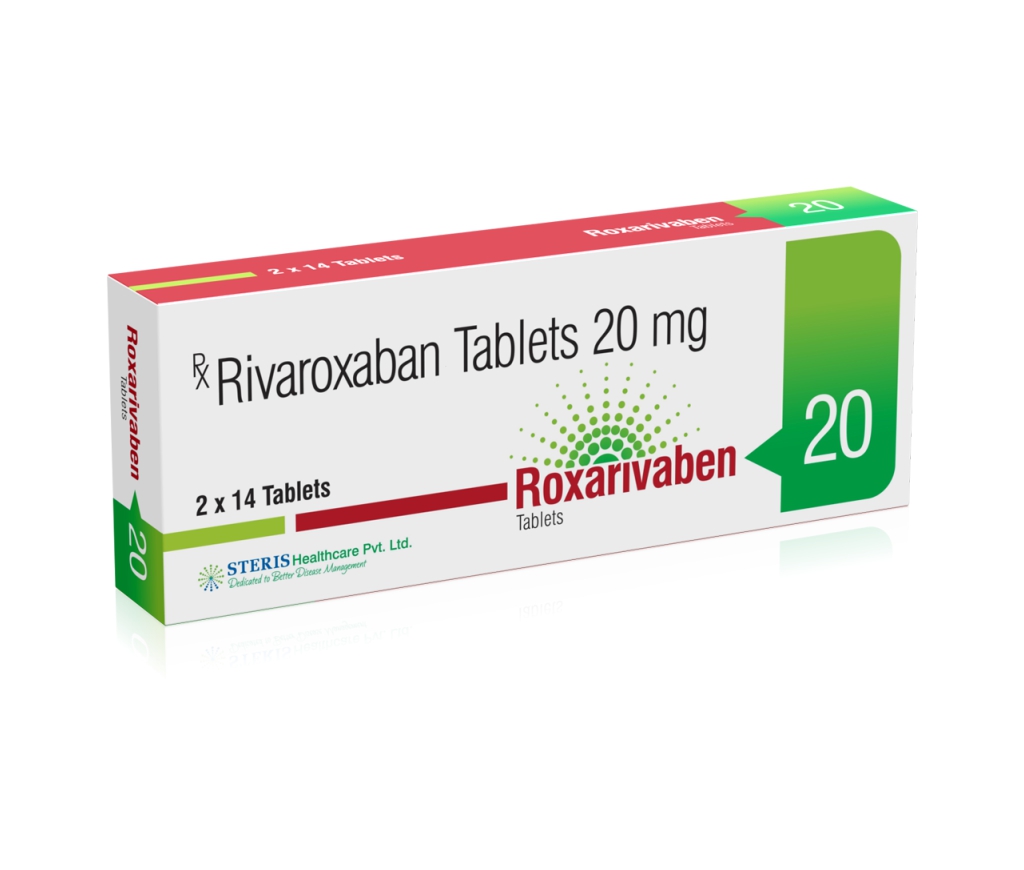
Roxarivaben 20mg (Rivaroxaban)
Previous product
Roxarivaben 15mg (Rivaroxaban)
$45.00 $115.00Price range: $45.00 through $115.00
Next product

Semanize 4mg (Semaglutide)
$400.00 $1,050.00Price range: $400.00 through $1,050.00
$50.00 $108.00Price range: $50.00 through $108.00
In Stock
In Stock
Roxarivaben 20mg (Rivaroxaban)
| Pack Size | Price | Quantity | Add To Cart | |
|---|---|---|---|---|
| 28 Tablet/s | $50.00 | |||
| 56 Tablet/s | $85.00 | |||
| 84 Tablet/s | $108.00 | |||
| Want to order in bulk / B2B price? Send Inquiry | ||||
×
Sorry!! Out of Stock
Sorry! Roxarivaben 20mg (Rivaroxaban) is out of stock
Please click below to view other similar medications.
View All Rivaroxaban Products
Offer You Can't Resist
Free Shipping
Enjoy Free Shipping on Orders above AUD304 (USD199)
Estimate Shipping :
07 June - 14 June
35
Last Updated on May 18, 2026

Description
Roxarivaben 20mg (Rivaroxaban): A Comprehensive Guide
Roxarivaben 20mg, which contains the active ingredient rivaroxaban, is a commonly prescribed oral anticoagulant that is essential in the treatment and prevention of blood clots. It is part of a group of drugs that are known as directly oral anticoagulants (DOACs) as well as novel oral anticoagulants (NOACs), which are intended to prevent the development of dangerous blood clots, which could cause serious health issues, including stroke and deep vein thrombosis (DVT), as well as pulmonary embolism (PE).
This complete guide explains the benefits, mechanisms of action, dose the safety profile, adverse consequences, interactions, as well as warnings about Roxarivaben 20mg, providing health professionals and patients with a thorough understanding of this essential drug.
What is Roxarivaben 20mg?
Roxarivaben is the trademark name for the drug rivaroxaban. It is an anticoagulant that inhibits blood clots by blocking a major protein within the coagulation process known as Factor Xa. Contrary to older blood thinners, such as warfarin, which require frequent monitoring and diet limitations, rivaroxaban provides an anticoagulant effect that is more reliable with no frequent blood tests.
The dose of 20 mg is a usual maintenance dosage prescribed to treat a range of conditions, especially for the prevention of stroke among patients suffering from atrial fibrillation (AF), as well as the treatment and prevention of deep vein thrombosis, and to prevent pulmonary embolism.
Medical Uses of Roxarivaben 20mg
Prevention of Stroke and Systemic Embolism in Non-Valvular Atrial Fibrillation
Atrial fibrillation can be described as an irregular and sometimes rapid heart rhythm, which increases the chance of blood clots developing within the heart. Clots may move to the brain and cause an injury to the brain or another organ that can cause embolisms throughout the body. Roxarivaben 20mg is prescribed in order to decrease the risk of this by thinning blood and delaying the formation of clots.
Treatment of Deep Vein Thrombosis and Pulmonary Embolism
Deep vein thrombosis refers to the development of blood clots within the deep veins, typically within the legs. If the clot is dislodged and reaches lung tissue, it triggers an embolism in the pulmonary tract, which is a potentially fatal situation. Roxarivaben is utilized to treat DVT as well as PE, and also to stop recurrence of the condition after the first treatment.
Prevention of Venous Thromboembolism (VTE) After Surgery
Certain types of surgeries, especially ones that involve a joint, such as hip or knee replacement, may increase the chance of forming blood clots. Roxarivaben 20mg is often recommended to avoid VTE for patients who undergo the operations.
Other Uses
In some instances, it is used to prevent and treat blood clots that are caused by other medical conditions that include certain kinds of thrombophilia, and when combined with antiplatelet therapy for acute coronary syndrome, as suggested by a physician.
How Does Roxarivaben Work?
For a better understanding of the process by which Roxarivaben 20mg operates It is important to be aware of the process of blood clotting. Clotting of blood, also referred to as coagulation, is a complicated cascade comprising a myriad of proteins called clotting factors. The most important protein involved in this chain of events is Factor Xa, which plays an essential function in the conversion of prothrombin into thrombin, which is the enzyme which is responsible for creating fibrin blood clots.
Rivaroxaban specifically blocks Factor Xa, thereby blocking the thrombin formation process and preventing the formation of fibrin blood clots. The targeted treatment reduces the likelihood of blood to unnaturally clot, without stopping the process of clotting that is essential for healing.
Dosage and Administration
General Dosing Guidelines
- For Stroke Prevention in Atrial Fibrillation: 20 mg once a day with a dinner daily with a meal. If you have a moderate impairment to their kidneys, the dose should be reduced to 15 mg daily.
- For Treatment of DVT and PE: The initial dosage usually consists of 15mg twice daily for the initial 21 days. This is followed by 20 mg once a day thereafter.
- For Prevention of VTE Post-Surgery: The dosage and time of administration depend on the type of surgery, but generally begin within 6-10 hours following surgery, taking 10 mg every day.
Important Administration Instructions
- Use Roxarivaben in conjunction with food to improve its absorption and improve its effectiveness.
- Take tablets whole and drink water.
- Make sure you are taking the same time for your daily doses.
- Don’t stop your medication before consulting a doctor because abrupt withdrawal can raise the risk of blood clotting.
Side Effects of Roxarivaben 20mg
Although Roxarivaben is reliable and efficient, it can cause adverse reactions in certain people. Many of the side effects relate to its anticoagulant effects, mostly bleeding.
Common Side Effects
- Bleeding: The most common and severe negative side effect. The symptoms can range from mild nasal bleeding or bruises to more severe bleeding that occurs in the brain, stomach, or any other organs.
- Anemia: Red blood cells are less abundant due to bleeding.
- Gastrointestinal Symptoms: Nausea, abdominal pain, indigestion.
- Skin Rash or Itching: Allergies to the skin are rare instances.
Serious Side Effects (Seek Immediate Medical Attention)
- Unusual bleeding that does not stop.
- Blood in urine or stool.
- Severe headache or dizziness.
- Signs of allergic reactions like swelling, difficulty breathing.
Precautions and Contraindications
Before you begin Roxarivaben It is crucial to discuss with your doctor your medical history as well as any medication you’re taking.
Contraindications
- Active pathological bleeding (e.g., gastrointestinal bleeding).
- Severe liver disease associated with coagulopathy.
- Known hypersensitivity to rivaroxaban.
- Patients with prosthetic heart valves (not studied in this group).
Precautions
- Kidney and Liver Function: Adjustments to dosages may be required for patients suffering from kidney or liver impairment.
- Pregnancy and Breastfeeding: Make use of only when clearly required and prescribed by a medical professional.
- Surgical Procedures: Inform dentists and surgeons of the anticoagulant treatment you are taking to reduce the risks of bleeding.
Drug Interactions
Roxarivaben is a drug that interacts with other medicines, possibly increasing the chance of bleeding or diminishing its effectiveness.
Important Interactions
- Other Anticoagulants and Antiplatelets: The combination increases the risk of bleeding.
- Non-Steroidal Anti-Inflammatory Drugs (NSAIDs): Could increase the risk of bleeding.
- Certain Antibiotics and Antifungals: Can affect rivaroxaban metabolism.
- Drugs Affecting Cytochrome P450 Enzymes: Certain drugs can increase or lower the levels of blood rivaroxaban.
Make sure you provide a complete listing of all medications and other supplements to your doctor prior to beginning Roxarivaben.
Monitoring and Follow-Up
Like warfarin, however, rivaroxaban will not require regular blood testing for INR monitoring. It is important to have regular follow-up appointments. Are required for:
- Watch for indications of bleeding or the formation of clots.
- Assess kidney and liver function.
- Ensure adherence and address any side effects.
Advantages of Roxarivaben Over Traditional Anticoagulants
- No Routine Monitoring Needed: Patients are more comfortable when compared with warfarin.
- Fixed Dosing: Simplifies treatment.
- Rapid Onset of Action: Starts working in the early hours.
- Fewer Dietary Restrictions: It is not necessary to stay clear of the foods that are high in vitamin K.
- Lower Risk of Certain Side Effects: As in major bleeding, several studies.
Patient Tips for Safe Use
- Always make sure to take Roxarivaben exactly as it is prescribed.
- Make use of a calendar or alarm to remind you of dosages.
- Beware of activities that pose an increased danger of causing injuries.
- Let your healthcare provider know about the use of your anticoagulant.
- You should carry a valid medical ID that states that you are taking an anticoagulant.
- Do not drink alcohol, and consult your doctor before taking prescription medications.
What to Do in Case of Missed Dose or Overdose
- If a dose has been missed and the time is near the date of the next dose, you can skip the missed dose and return to your normal routine.
- Do not take double dosages.
- If you suspect an overdose or bleeding signs Seek medical emergency care immediately.
Conclusion
Roxarivaben 20mg (rivaroxaban) constitutes a significant improvement in anticoagulant therapy, providing patients with a safe and simple method to stop and treat blood clots that can cause harm. The specific mechanism it employs, its user-friendliness, and an overall favorable security profile make it the preferred option in various clinical settings.
But, as with all medicines, Roxarivaben requires careful use under medical supervision to balance the advantages of stopping clots against the risk of bleeding. Patients are advised to maintain open communication with their medical professionals, report any adverse reactions promptly, and observe the dosage instructions.
If properly managed, Roxarivaben can significantly improve the quality of life and outcomes for those at risk of thromboembolic disease.
Additional Information
| Active Ingredient: | Rivaroxaban |
|---|---|
| Indication: | Prevention of Blood Clots |
| Manufacturer: | Steris Healthcare |
| Packaging: | 14 Tablets in Strip |
| Strength: | 20mg |
| Delivery Time: | 7 To 15 days |
Related products






Recently Viewed


Reviews
There are no reviews yet.