

Rizatriptan 10mg (Rizatriptan)
Previous product
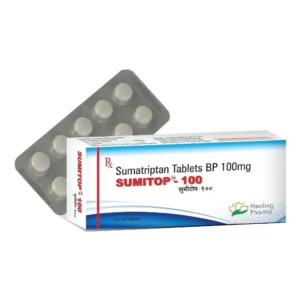
Sumatriptan 100mg (Sumatriptan)
$120.00 $262.50Price range: $120.00 through $262.50
Next product
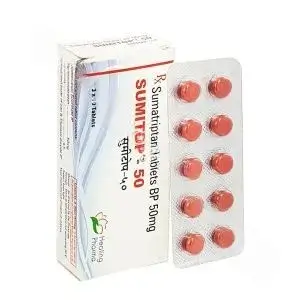
Sumatriptan 50mg (Sumatriptan)
$90.00 $193.75Price range: $90.00 through $193.75
$45.00 $103.75Price range: $45.00 through $103.75
In Stock
In Stock
Rizatriptan 10mg (Rizatriptan)
| Pack Size | Price | Quantity | Add To Cart | |
|---|---|---|---|---|
| 30 Tablet/s | $45.00 | |||
| 60 Tablet/s | $72.50 | |||
| 90 Tablet/s | $103.75 | |||
| Want to order in bulk / B2B price? Send Inquiry | ||||
×
Sorry!! Out of Stock
Sorry! Rizatriptan 10mg (Rizatriptan) is out of stock
Please click below to view other similar medications.
View All Rizatriptan Products


Offer You Can't Resist
Free Shipping
Enjoy Free Shipping on Orders above AUD304 (USD199)
Estimate Shipping :
06 June - 13 June
49
Excellent service
Excellent service! My order was processed quickly and delivered on time. The medicines were well-packaged and exactly as described. Highly recommended.
 Australia
May 26, 2026
Last Updated on May 18, 2026

Description
Introduction
Rizatriptan is a medication that is commonly employed to treat migraines. It is part of the category of medications that are known as triptans that are selective serotonin receptor antagonists. Rizatriptan 10mg is among the most efficient options that can provide rapid relief from migraines, as well as the accompanying symptoms, including nausea, headache, and sensitivity to light and sound.
Contrary to migraine prevention therapies, Rizatriptan is used for the treatment of acute migraine, that is, it’s administered at the start of migraines to end or decrease its intensity.
How Does Rizatriptan Work?
Rizatriptan acts by stimulating serotonin (5-HT1B/1D) receptors within the brain. The result is:
- The constriction of blood vessels within the brain is thought to be the cause of migraines.
- The inhibition of neuropeptide release and other substances that are involved in pain and inflammation signaling.
- Blocking pain channels within the trigeminal nerve system that transmit headache pain messages.
Through these mechanisms, Rizatriptan is effective in reducing migraine headaches as well as the associated symptoms.
Indications and Uses
- The treatment for migraine attacks, either without or with aura, for adults.
- This product is not designed to prevent migraines.
- It is not suitable for headaches caused by tension or any other type of headache.
Dosage and Administration
- A typical dosage can be 10 mg administered orally at the time of the first onset of migraine.
- If the symptoms continue or worsen if symptoms recur, a dosage of 10 mg can be administered at a minimum of 2 hours following the initial dose.
- The maximum dose shouldn’t exceed 30 mg within 24 days.
- It can be consumed either with or without meals.
- The medication usually begins working in 30 mins to 2 hours after the intake.
Important Instructions for Use
- Begin taking Rizatriptan the moment the symptoms of migraine begin.
- Don’t exceed the dose recommended.
- If a migraine attack has been managed, avoid taking dosages that exceed 3 attacks in 24 hours, unless advised by a health specialist.
- If you are not experiencing relief following the first dose, you should not continue taking doses for the same attack without contacting your physician.
Side Effects
Just like any other medication, Rizatriptan can cause side effects. Some of the most frequent side effects include:
- Dizziness or lightheadedness
- Fatigue or drowsiness
- Dry mouth
- Sensations of warmth, tingling, or flushing
- Nausea or vomiting
- Muscle weakness or tightness
Serious but rare side effects:
- Chest pain or tightness
- Severe allergic reactions (rash, itching, swelling)
- Changes in heart rhythm or blood pressure
- Stroke or neurological symptoms (sudden weakness, vision changes, difficulty speaking)
If symptoms of stress or other seriousness occur you should immediately seek medical attention.
Precautions and Warnings
- Do not recommend for people who suffer from cardiovascular disease, such as coronary arterial disease, hypertension that is not controlled, or an antecedent history of stroke.
- It is recommended to avoid those suffering from serious liver damage.
- Don’t use them within 24 hours of any other tritan drugs or derivatives of ergotamine to avoid the danger of additive vasoconstriction.
- Tell your physician if you are breastfeeding or pregnant.
- Take care if there is a history of seizures or any other neurologic disorders.
- Beware of operating machinery or driving until you are aware of what effects Rizatriptan has on you, because dizziness or drowsiness can be experienced.
Drug Interactions
- Monoamine oxidase inhibitors (MAOIs): The concurrent use of Rizatriptan is not recommended or may require dose adjustments.
- Selective serotonin reuptake inhibitors (SSRIs) or serotonin-norepinephrine reuptake inhibitors (SNRIs): The chance of developing serotonin disorder increases. Check for signs of hallucinations, confusion, or shakes.
- Other triptans or ergot derivatives: It is not recommended to take a medication within 24 hours of another.
- Propranolol: Could cause an increase in Rizatriptan levels. Dosage modification may be needed.
Be sure to inform your doctor of any medication or supplement you take.
Who Should Not Take Rizatriptan?
- People who have a hypersensitivity to any triptan, or Rizatriptan.
- Patients suffering from ischemic heart disease, peripheral vascular disease, or uncontrolled hypertension that is uncontrolled.
- People who’ve suffered strokes or transient ischemic attacks (TIA).
- Patients suffering from basilar or hemiplegic migraine.
- People suffering from severe liver diseases.
Summary
Rizatriptan 10mg is a specific drug that provides rapid relief of headaches caused by migraine. Its action mechanism directly tackles the neurological and vascular triggers of migraine and provides many sufferers with significant improvements in their symptoms.
Although Rizatriptan is generally well-tolerated It is essential to take it according to the prescription and be aware of any potential adverse effects and interactions. A consultation with a doctor before taking Rizatriptan is vital, particularly for those who have cardiovascular risk or medical conditions.
Related products








Recently Viewed

Reviews
There are no reviews yet.