
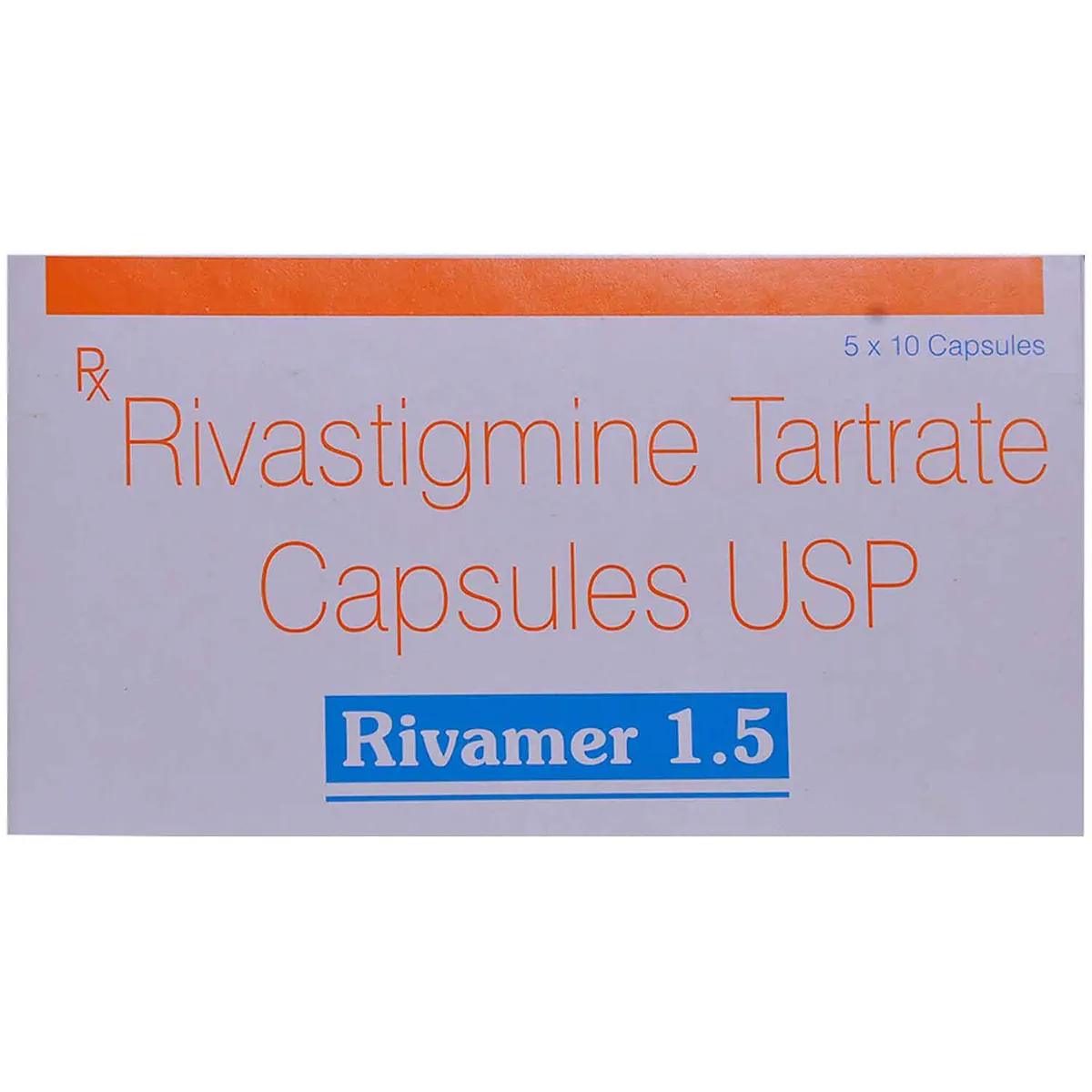
Rivamer 1.5mg (Rivastigmine)
Previous product
Gabapin 300mg (Gabapentin)
A$36.40 A$84.00Price range: A$36.40 through A$84.00
Next product
Alzil 10mg (Donepezil)
A$115.50 A$253.75Price range: A$115.50 through A$253.75
A$27.30 A$61.25Price range: A$27.30 through A$61.25
In Stock
In Stock
Rivamer 1.5mg (Rivastigmine)
| Pack Size | Price | Quantity | Add To Cart | |
|---|---|---|---|---|
| 30 Tablet/s | A$27.30 | |||
| 60 Tablet/s | A$43.75 | |||
| 90 Tablet/s | A$61.25 | |||
| Want to order in bulk / B2B price? Send Inquiry | ||||
×
Sorry!! Out of Stock
Sorry! Rivamer 1.5mg (Rivastigmine) is out of stock
Please click below to view other similar medications.
View All Rivastigmine Products

Offer You Can't Resist
Free Shipping
Enjoy Free Shipping on Orders above AUD304 (USD199)
Estimate Shipping :
07 June - 14 June
29
Last Updated on May 18, 2026

Description
Rivamer 1.5mg (Rivastigmine): Comprehensive Information
Rivamer is a medication that contains Rivastigmine A cholinesterase inhibitor that is used principally to control symptoms related to Alzheimer’s disease and Parkinson’s disease, which is a cause of dementia. It improves cognitive performance through enhancing the connections between nerve cells within the brain.
What is Rivastigmine?
Rivastigmine is a reversible inhibitor of two key enzymes–acetylcholinesterase and butyrylcholinesterase. The enzymes break down the neurotransmitter acetylcholine that is essential for learning and memory. Through inhibiting their function, Rivastigmine increases acetylcholine levels within the brain. This helps enhance or maintain cognitive performance for patients suffering from dementia.
Indications and Uses
Rivamer (Rivastigmine) can be a prescription drug to treat:
- Mild to moderate Alzheimer’s disease: Improve cognition, memory, and daily performance.
- Parkinson’s disease dementia: For managing cognitive decline that is associated with Parkinson’s disease.
- Off-label use is sometimes used to treat different forms of dementia under medical supervision.
Dosage and Administration
- Rivamer 1.5mg is typically the recommended first dosage.
- The most common way to take it is twice daily. The doses are gradually increased according to tolerance.
- The medicine can be used either with or without food, but taking it along in conjunction with food can help reduce stomach negative effects.
- The dosage is carefully adjusted in order to reduce side effects and get the best therapeutic benefit.
- Also, transdermal patches, extended-release formulas, and transdermal formulations made of Rivastigmine cater to the different needs of patients.
How Does Rivamer Work?
Rivastigmine stops the breakdown of acetylcholine, making it more concentrated and longer in action inside the synaptic cleft that connects neurons. This increased activity in cholinergic neurons helps to improve brain communication within the areas that are responsible for cognition and memory, thus decreasing the symptoms of dementia.
Side Effects
Common side effects include:
- Nausea and vomiting
- Diarrhea
- Loss of appetite and weight loss
- Dizziness or headache
- Fatigue or weakness
- Tremors or muscle cramps
Serious side effects (rare):
- Severe gastrointestinal symptoms or bleeding
- Bradycardia (slow heart rate)
- Allergic reactions such as rash or swelling
If there are severe reactions Medical attention is required.
Precautions and Warnings
- Patients who have a history of bleeding from the stomach or ulcers are advised to take Rivamer with caution.
- Monitoring is imperative for those with heart problems in the event of possible bradycardia.
- Be cautious when using this medication in patients suffering from an asthma condition or chronic obstructive pulmonary disease (COPD) since cholinergic medicines could increase bronchial secretions.
- Do not recommend during pregnancy or nursing unless it is clearly necessary.
- Do not abruptly stop treatment to avoid an increase in symptoms.
- Let your physician know about any medicines you take to prevent interactions.
Storage
- Keep at room temperature and far from bright light.
- Be sure to keep away from youngsters.
Summary
Rivamer 1.5mg (Rivastigmine) is a viable treatment for cognitive issues in Parkinson’s disease and Alzheimer’s dementia. In addition, increasing levels of acetylcholine helps improve the brain’s function and enhances the patient’s quality of life. Monitoring and proper dosage are crucial to avoid negative effects as well as maximize the benefits.
Related products



Recently Viewed


Reviews
There are no reviews yet.