
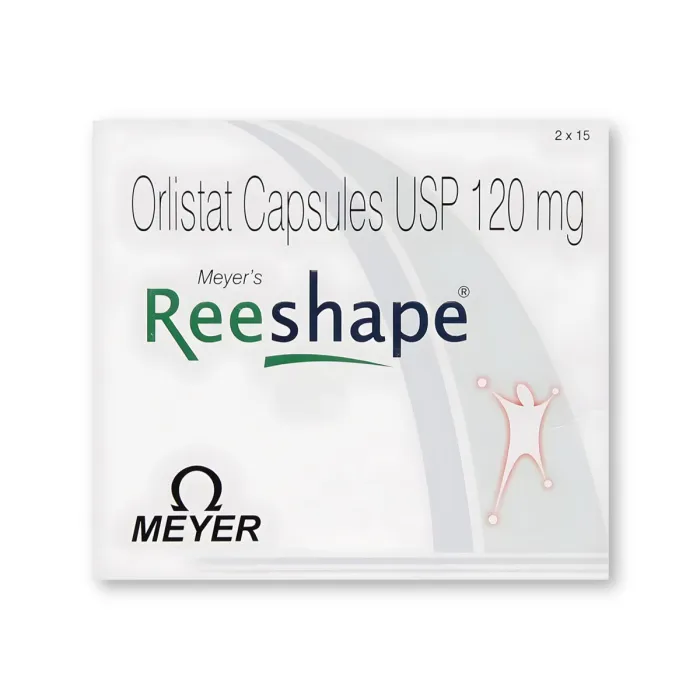
Reeshape 120mg (Orlistat)
Previous product
Orlistat 120mg (Orlistat)
$51.00 $135.00Price range: $51.00 through $135.00
Next product
Vyfat 120mg (Orlistat)
$49.50 $118.75Price range: $49.50 through $118.75
$51.00 $120.00Price range: $51.00 through $120.00
In Stock
In Stock
Reeshape 120mg (Orlistat)
| Pack Size | Price | Quantity | Add To Cart | |
|---|---|---|---|---|
| 30 Capsule/s | $51.00 | |||
| 60 Capsule/s | $82.50 | |||
| 90 Capsule/s | $120.00 | |||
| Want to order in bulk / B2B price? Send Inquiry | ||||
×
Sorry!! Out of Stock
Sorry! Reeshape 120mg (Orlistat) is out of stock
Please click below to view other similar medications.
View All Orlistat Products

Offer You Can't Resist
Free Shipping
Enjoy Free Shipping on Orders above AUD304 (USD199)
Estimate Shipping :
06 June - 13 June
33
Fast dispatch
I have ordered multiple times and always receive excellent service. Fast dispatch, reliable tracking, and great support.
 Australia
May 21, 2026
Last Updated on May 18, 2026

Description
Reeshape 120mg (Orlistat): Comprehensive Guide
Reeshape 120 mg is a supplement to Orlistat, which is a drug that is used mostly to reduce weight. It’s a lipase inhibitor that reduces the amount of calories absorbed in the body. Orlistat is used in conjunction with a calorie-controlled diet, and also to increase exercise for the treatment of excess weight or obesity, especially when it’s associated with obesity-related illnesses.
What is Orlistat?
Orlistat is a medicine specifically designed to assist with weight control by working on metabolism and absorption of fats in the digestive tract. In contrast to other drugs for weight loss that work on your central nervous system in order to decrease appetite, Orlistat is a local drug in the gut and blocks enzymes that break down the triglycerides (fats) into soluble molecules.
Since Orlistat stops around 30% of fats consumed from getting absorbed, the unused fat moves through the digestive tract and gets removed from the stool. A decrease in the absorption of fat results in a reduction in calories and can lead to weight loss.
Orlistat can be purchased under a variety of brands, including Reeshape 120 mg, which is just one of them.
How Does Reeshape (Orlistat) Work?
The mechanism behind this action is the blocking of stomach and pancreatic lipases, which are enzymes that help, break down triglycerides in the digestive tract. If these enzymes are inhibited, triglycerides from food are not hydrolyzed and converted into easily digestible free fatty acids and monoglycerides. As a result, undigested fat is eliminated.
Since dietary fats can be an essential energy source, reducing their intake effectively decreases consumption of calories, which could aid in creating the deficit in calories required to reduce weight.
Who Can Use Reeshape (Orlistat)?
Reeshape is used primarily to treat:
- Adults with obesity (Body Mass Index [BMI] ≥30)
- Overweight individuals (BMI ≥27) people who are also suffering from other health problems related to weight, like hypertension, type 2 diabetes, or dyslipidemia
It’s intended to be the basis of a complete diet program for weight control that comprises:
- A reduced-calorie diet
- Regular physical exercise
- Changes in behavior aimed at improving living conditions
Dosage and Administration
The dosage of Reeshape (Orlistat) is:
- 120 mg 3 times a day consumed during or at least 1 hour following every main meal that contains fat.
- If the meal was not eaten nor has no fat in it, this dose may be skipped.
When meals are taken, timing is essential to increase the effects of this medication, because Orlistat is only effective on the dietary fat in the stomach.
Patients are advised to adhere to the nutritional balance of a balanced and low-calorie diet that contains around 30% of their calories coming from fat, to lessen the negative complications caused by the malabsorption of fat.
Important Dietary Considerations
Since Orlistat inhibits fat absorption It can also decrease the absorption of the fat-soluble Vitamins (A, D, E, and K). In order to prevent deficiency, the use of a multivitamin is typically advised. It is recommended to take the vitamins at least 2 hours prior to or immediately after Orlistat in order to minimize the absorption of nutrients.
In addition, patients must:
- Distribute fat consumption evenly across three meals in order to reduce adverse effects on your stomach.
- Do not eat high-fat foods to lessen the chance of adverse reactions.
- Make sure you drink enough fluids that aid in digestive and stool passing.
Benefits of Using Reeshape (Orlistat)
- It has been proven clinically that it can aid in weight loss in conjunction with exercise and diet.
- Helps reduce the risk of weight-related health problems such as type 2 diabetes, hypertension, and hypercholesterolemia.
- The weight loss that is achieved through Orlistat can boost cholesterol and blood pressure levels, and control blood sugar levels.
- The drug is active locally within the gut, which means it is not absorbed into the effects on the system and has fewer adverse effects than other medications for weight loss.
Possible Side Effects of Reeshape (Orlistat)
Because Orlistat blocks fat absorption the most frequent adverse effects stem from stomach and fat-related effects. This includes:
- Oily or fatty stools (steatorrhea)
- Frequent or urgent bowel movements
- Oily spotting on underwear
- Flatulence with discharge
- Abdominal pain or discomfort
- Increased defecation and loose stool
These adverse effects typically occur immediately after treatment commences and are likely to decrease over time, particularly if the diet is controlled in terms of fats.
Less Common side effects are:
- Headache
- Respiratory infections
- Back pain
Some rare but severe negative side effects are:
- Severe liver injury (very rare)
- Kidney stones (due to changes in fat metabolism)
If persistent or severe adverse reactions occur, you should seek out a medical professional.
Precautions and Contraindications
Before beginning Reeshape (Orlistat) It is crucial to think about the following aspects:
- Allergy: Do not use it if you’re sensitive to the Orlistat ingredient or any other ingredient in the product.
- Chronic malabsorption syndrome: Do not recommend for those who suffer from digestive disorders that can impair the absorption of nutrients.
- Cholestasis: Do not use in patients who have an obstruction of the biliary tract.
- Pregnancy and breastfeeding: Orlistat is not advised during breastfeeding or during pregnancy.
- Kidney or liver problems: Take care and only use it under the supervision of a physician.
- Use in children: The safety and effectiveness of the product haven’t been proven in people who are less than 18 years of age.
Drug Interactions
Orlistat may interfere with the ingestion of certain medicines. It is essential to inform your doctor about any medicines and supplements that you’re taking. Certain interactions are:
- Cyclosporine: Orlistat could reduce cyclosporine absorption and may need surveillance of blood levels for cyclosporine.
- Warfarin: Orlistat could interfere with vitamin K absorption and could alter the effectiveness of warfarin, increasing the risk of bleeding.
- Levothyroxine: Orlistat could reduce absorption; therefore, thyroid function must be closely monitored.
- Antiepileptic drugs: Certain reports suggest that Orlistat can change blood levels for antiepileptic drugs.
Multivitamins, as well as fat-soluble vitamin supplements, are best placed in the appropriate order in order to prevent interference from Orlistat absorption.
Monitoring and Follow-Up
Patients who are taking Orlistat medication must have regular follow-ups with their physician for:
- Examine the progress in weight loss and lifestyle changes.
- Check for any adverse reactions and nutritional deficiencies.
- Examine any necessary changes in the use of concurrent medicines.
- Examine the liver function when long-term usage is scheduled.
Lifestyle Recommendations
Orlistat is most effective when used in conjunction with:
- A well-balanced, reduced-calorie diet.
- Regular, regular physical activity that is customized to each person’s abilities.
- Assistance with behavioral issues, for example, counseling programs or weight loss.
- Regular follow-up and motivation ensure that lifestyle changes are maintained.
Who Should Not Use Reeshape (Orlistat)?
- Women who are pregnant or nursing
- Patients suffering from chronic malabsorption disorders
- People with severe cholestasis or liver disease
- Ages under 18 age
Summary
Reeshape 120 mg (Orlistat) is a clinically proven, safe aid to lose weight and control when combined with exercise and diet. Blocking fat absorption decreases calories consumed, aids in weight loss, and enhances metabolic health.
Though it may cause gastrointestinal adverse effects that are mostly related to malabsorption of fats, they can be controlled with modifications to your diet. The proper use of supplements and supervision by a physician is essential to prevent nutritional deficiencies and to be aware of negative reactions.
If used correctly, Orlistat can be a beneficial tool for patients with overweight or obesity-related health issues, enhancing living quality and decreasing the chances of contracting serious illness.
Related products


Recently Viewed

Reviews
There are no reviews yet.