

Rebopag 50mg (Eltrombopag)
Previous product
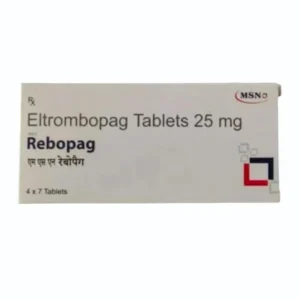
Rebopag 25mg (Eltrombopag)
A$308.00 A$560.00Price range: A$308.00 through A$560.00
Next product

Mesacol 1200mg (Mesalamine)
A$70.00 A$170.80Price range: A$70.00 through A$170.80
A$420.00 A$700.00Price range: A$420.00 through A$700.00
In Stock
In Stock
Rebopag 50mg (Eltrombopag)
| Pack Size | Price | Quantity | Add To Cart | |
|---|---|---|---|---|
| 28 Tablet/s | A$420.00 | |||
| 56 Tablet/s | A$700.00 | |||
| Want to order in bulk / B2B price? Send Inquiry | ||||
×
Sorry!! Out of Stock
Sorry! Rebopag 50mg (Eltrombopag) is out of stock
Please click below to view other similar medications.
View All Eltrombopag Products

Offer You Can't Resist
Free Shipping
Enjoy Free Shipping on Orders above AUD304 (USD199)
Estimate Shipping :
19 June - 26 June
27
Last Updated on May 18, 2026

Description
Rebopag 50mg (Eltrombopag) Overview
Rebopag 50 mg is the name used for the medication Eltrombopag, which is a drug that is primarily utilized to treat specific conditions that result in low platelet counts. Platelets are crucial for blood clotting, and a deficiency in them can increase the risk of bleeding. Rebopag assists in increasing the production of platelets, which reduces the risk of bleeding.
What is Eltrombopag?
Eltrombopag can be described as a thrombopoietin receptor antagonist (TPO-RA). Thrombopoietin is a naturally-occurring hormone that regulates the formation of platelets through stimulation of bone Marrow. Eltrombopag mimics thrombopoietin by attaching to its receptor located on the outside bones marrow cells, which stimulates platelet formation.
Indications and Uses
Rebopag 50 mg can be prescribed to treat various ailments that are related to insufficient platelet counts. These include:
- Chronic Immune (Idiopathic) Thrombocytopenic Purpura (ITP): An illness in which the body’s immune system kills platelets, causing bleeding and bruising. Rebopag assists in increasing the number of platelets for adults who haven’t been able to respond adequately to other therapies, including corticosteroids, immunoglobulins, or corticosteroids.
- Severe Aplastic Anemia: An illness in which the bone marrow is unable to create enough blood cells, which include platelets. Rebopag can be utilized as a part of immunosuppressive therapy for boosting platelet count.
- Thrombocytopenia in Chronic Hepatitis C Virus (HCV) Infection: Certain patients suffering from HCV infections have low platelet counts that can hinder their ability to get antiviral treatment. Rebopag can help increase the amount of platelets in order to ensure the safe use of antiviral medications.
Dosage and Administration
Rebopag is typically given orally, in tablet form. For adults, the usual dose can be 50 mg twice a day. However, the dosage could be adjusted according to the response of platelets and tolerance in patients.
- Initial Dose: 50 mg daily.
- Dose Adjustments: Based on the platelet count the dose may be increased by increments of 25 mg over a period (usually less than every 2 weeks).
- Maximum Dose: The usual limit is 75 mg per day in the majority of patients.
Patients are advised to be advised to take Rebopag with a full stomach or 1 hour before or 2 hours following meals, in particular those that have calcium, as it can affect the absorption of the medication.
Mechanism of Action
Eltrombopag is a binder to the transmembrane domain of the thrombopoietin-related receptor (also called c-Mpl receptor) within hematopoietic stem cells and megakaryocyte progenitor cells within the bone marrow. The binding triggers the intracellular signaling pathways and stimulates the development and proliferation of megakaryocytes – the cells that create platelets.
As opposed to thrombopoietin in itself, Eltrombo is a small molecule that triggers the receptor through an alternative binding site; however, it ultimately increases platelet production. This can help restore platelet count in patients suffering from thrombocytopenia.
Pharmacokinetics
- Absorption: Eltrombopag is administered orally, but its absorption may be diminished if it is taken in conjunction with food supplements or other foods rich in polyvalent Cations (calcium, magnesium, aluminum, and iron).
- Peak Plasma Concentration: The dose was taken between 2 and 6 hours following the dosing.
- Metabolism: It is metabolized in the liver primarily through conjugation and oxidation.
- Elimination Half-Life: approximately between 21 and 32 hours. This allows for daily dosing.
- Excretion: It is eliminated mainly through the feces.
Benefits of Rebopag (Eltrombopag)
- Increases Platelet Counts: Reduces the chance of bleeding and bruising for patients suffering from thrombocytopenia.
- Improves Quality of Life: Through reducing bleeding episodes, and permitting the continuation of any other treatments that are required (such as chemotherapy and antiviral treatment).
- Oral Administration: More convenient and easier to use than injection-based treatments.
- Targets Underlying Problem: Increases the production of platelets rather than only treating the symptoms.
Side Effects and Adverse Reactions
Similar to any other medication, Rebopag may cause side effects. Common side effects include:
- Headache
- Nausea
- Diarrhea or constipation
- Upper respiratory tract infection symptoms
- Fatigue or weakness
- Muscle or joint pain
The more serious, yet less frequent adverse effects are:
- Liver Function Abnormalities: Increased liver enzymes have been observed; periodic testing of the liver’s function is advised.
- Thromboembolic Events: Greater risk of blood clots, particularly if platelet counts are too high.
- Bone Marrow Changes: Certain patients can suffer from bone marrow fibrosis. An illness in which scar tissue develops in the bone marrow.
- Allergic Reactions: Rare cases of hypersensitivity.
When patients suffer from symptoms such as intense headache, jaundice (yellowing of the eyes or skin), swelling, chest pain or trouble breathing, they must get medical attention immediately.
Drug Interactions
The absorption of Eltrombopag is influenced by:
- Calcium-containing products: Antacids, dairy products, and supplements with calcium could hinder absorption. It is recommended to keep the intake of these substances for at least 2 hours.
- Other polyvalent cations: Magnesium, iron, and aluminum supplements also can cause interference.
- Certain medications: When using other medicines in conjunction, the way they are that is metabolized by liver enzymes must be closely monitored, as it can alter liver function.
Patients must always be sure to inform their doctor of the medications, vitamins, or other supplements they are taking.
Precautions and Contraindications
- Hypersensitivity: Anyone with a history of allergies to Eltrombopag or other ingredients is advised to avoid its use.
- Liver Disease: Take care when treating patients who have impaired liver function; check liver function on a regular basis.
- Pregnancy and Breastfeeding: Eltrombopag’s safety when lactating and pregnant isn’t fully established. It should only be utilized in cases where the benefit is worth the possible risks.
- Risk of Blood Clots: Keep track of platelet counts to ensure that there is no thrombocytopenia.
- Patients with History of Blood Clots: It is important to be assessed thoroughly before starting treatment.
Monitoring and Follow-Up
Patients who are on Rebopag need regular monitoring to ensure security and efficacy:
- Platelet Counts: to adjust dosages and avoid overly high counts.
- Liver Function Tests: Due to the possibility of liver toxicities.
- Signs of Bleeding or Clotting: Patients should notify their doctor if they notice any unusual bleeding, bruises, or other symptoms that could be indicative of blood clots.
- Complete Blood Counts: To monitor the general blood cell health.
Summary
Rebopag 50 mg (Eltrombopag) an efficacious oral medication that is effective in the treatment of thrombocytopenia related to situations like chronic ITP and aplastic anemia, and thrombocytopenia that is a result of chronic liver disease C treatment. In stimulating platelet formation via the thrombopoietin receptor, Rebopag can reduce the chance of bleeding-related complications. It also improves the patient’s quality of life.
Dosing once a day and a precise method of action make it the preferred option in the majority of cases of low platelet count. It is important to monitor liver function, platelet counts, and possible side impacts are vital in order to make sure that you receive safe and efficient treatment.
Patients using Rebopag must follow the directions of their doctor and notify any adverse reactions immediately. When properly controlled, Rebopag could significantly contribute to the control of thrombocytopenia and also support general treatment objectives.
Additional Information
| Pack Size | 28 Tablet/s, 56 Tablet/s, 84 Tablet/s |
|---|
Related products






Reviews
There are no reviews yet.